Water balance, the hierarchy of measures and payback periods: how an industrial plant cuts water consumption under Central Asian water stress.
For a plant in Central Asia, sustainable water use is not a section in the annual report — it is two concrete risks: whether water will be available in a few years, and what every cubic metre you abstract and discharge costs today. The region is water-stressed, and abstraction limits here tend to tighten rather than relax.
Here is how the problem is solved in engineering terms: where to start, in what order to act, and what pays back fastest.
What "sustainable water use" means in measurable terms
The phrase becomes workable once it turns into figures you can track monthly:
- Specific water consumption — m³ per unit of output. The primary indicator: it is independent of production volume, so periods compare fairly.
- Reuse share — the percentage of total demand covered by returned water.
- Discharge quality — against monitored parameters, with margin to the limit rather than sitting on it.
- Sludge produced — tonnes per 1,000 m³ treated. Directly tied to reagent consumption and disposal cost.
It starts with a water balance
You cannot optimise what has not been measured. The first step is a plant water balance: how much comes in, how it distributes across departments, how much is lost, and how much goes to discharge. On most sites doing this for the first time, two things surface — significant unaccounted losses, and at least one stream being discharged that is clean enough to reuse.
| What to measure | Why |
|---|---|
| Abstraction by source | Basis for specific consumption |
| Consumption by department | Identify the main users |
| Stream quality before mixing | Determine what can be returned |
| Discharge volume and quality | Assess recycling potential |
| Losses (evaporation, blowdown, leaks) | Often the largest hidden item |
The critical point: stream quality has to be measured before the streams combine in a common sewer. Mixing a clean stream with a contaminated one turns two simple problems into one difficult problem and destroys the cheapest reuse options.
The hierarchy of measures
1. Reduce consumption
The cheapest of everything listed here, because it needs no treatment plant: fixing leaks, replacing single-pass rinsing with counter-current rinsing, optimising boiler and cooling-tower blowdown, and cutting supply automatically when equipment idles.
2. Cascade reuse without treatment
Water that has served a high-quality duty is often good enough for a lower-quality duty with no treatment at all. Final rinse to first rinse, condensate to cooling-tower make-up. This needs pipework and a buffer tank, nothing more.
3. Recycling with treatment
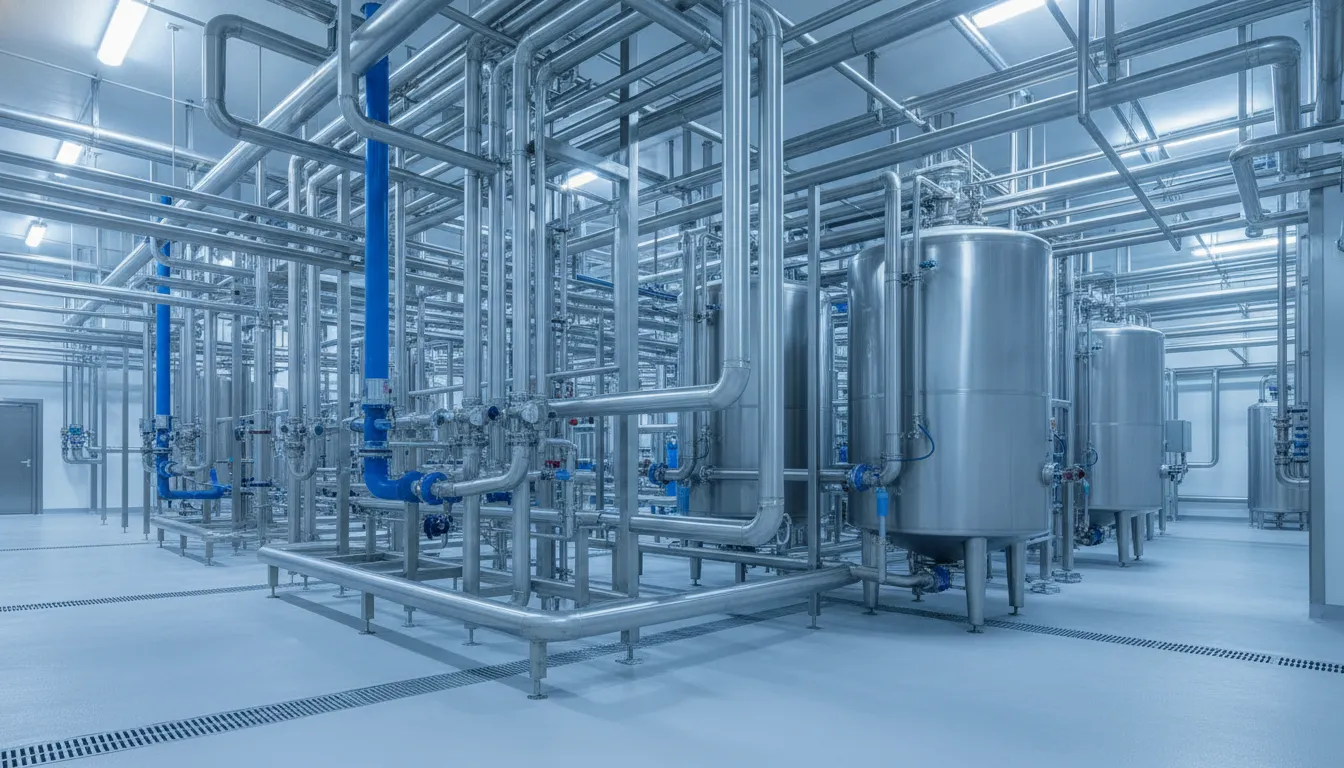
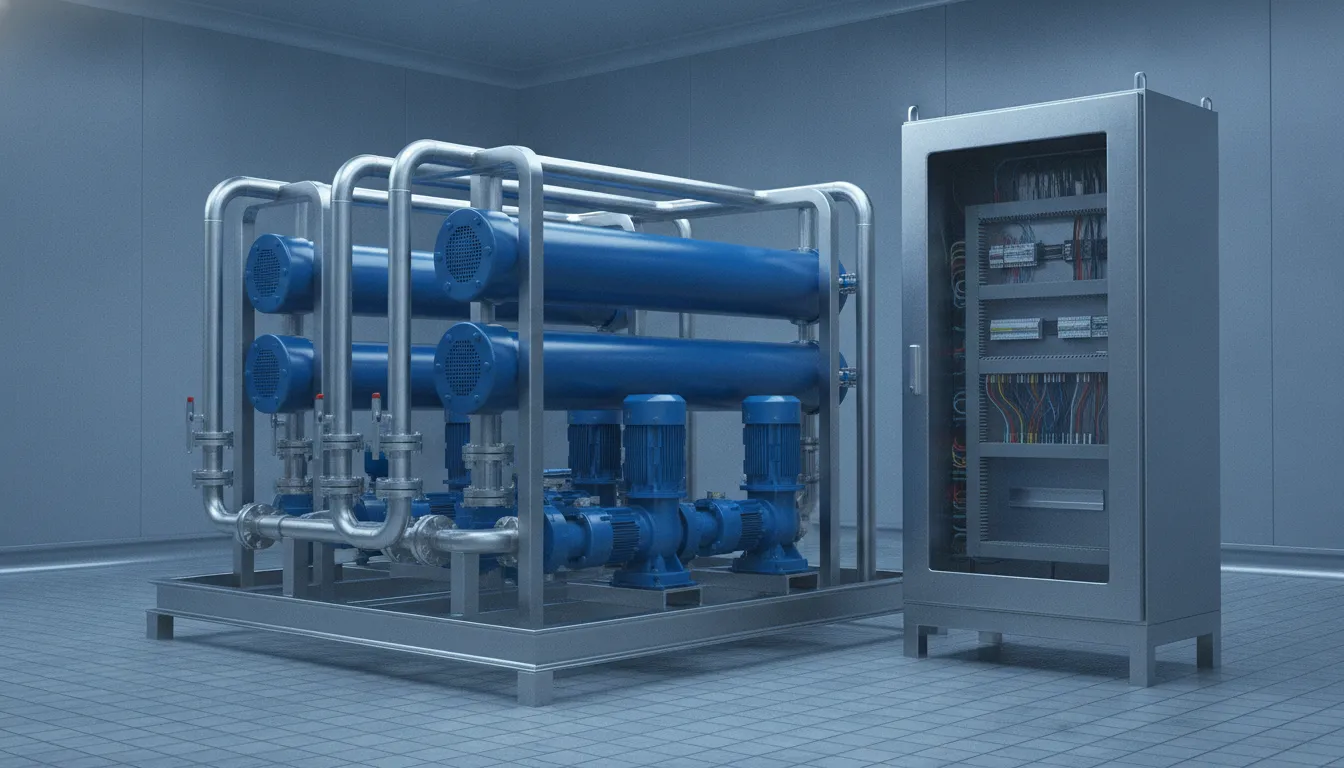
This is where a reagent scheme appears: coagulation, filtration, membranes where required. Returning water to the main process requires salinity and hardness control — salt build-up in a closed loop is the main technical constraint.
4. ZLD — zero liquid discharge
Technically achievable but energy and capital intensive. It is justified where discharge is not permitted at all, or where water and disposal costs make evaporation competitive. For most plants the sensible target is deep recycling, not full ZLD.
Where the water usually goes
| Sector | Main consumption | Easiest to recover |
|---|---|---|
| Textile | Dyeing, rinsing | Rinse water |
| Food and beverage | Equipment washing, CIP | Final rinses |
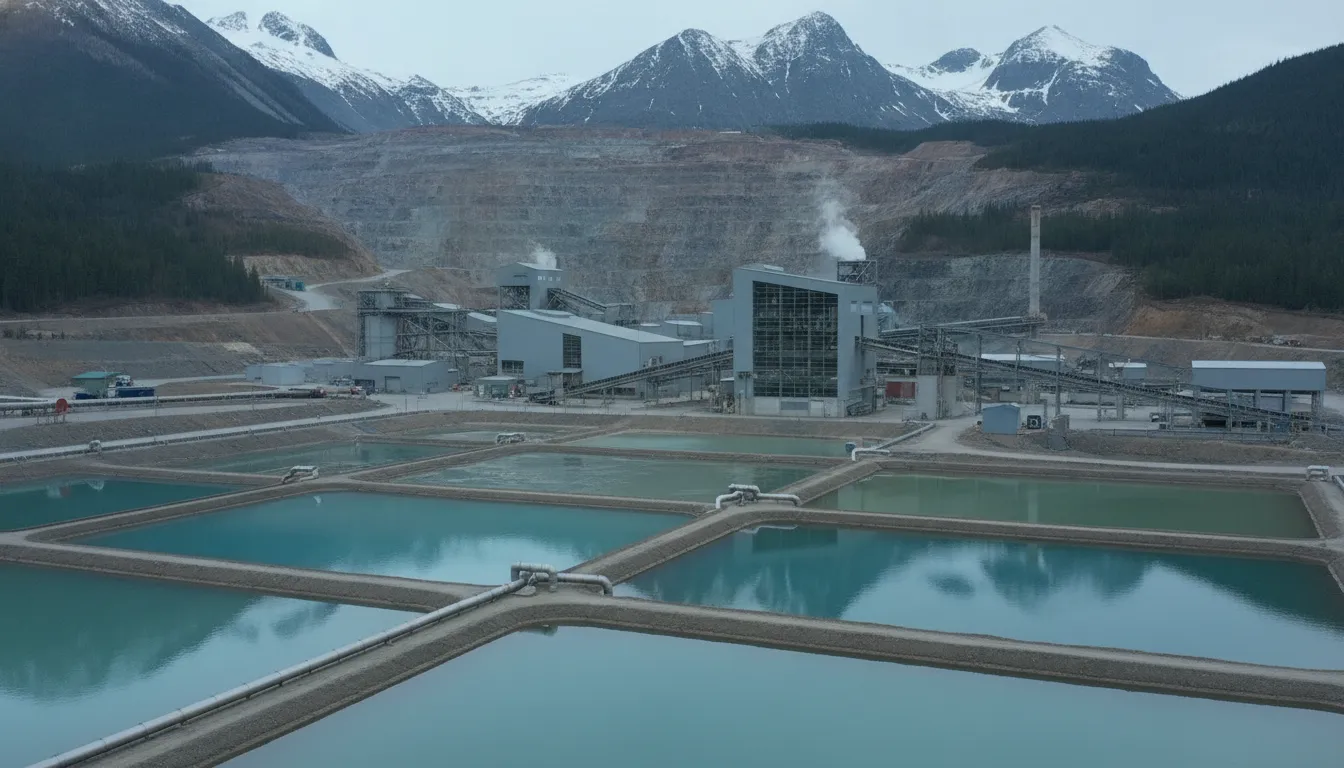
| Mining | Processing, dust suppression | Clarified tailings water |
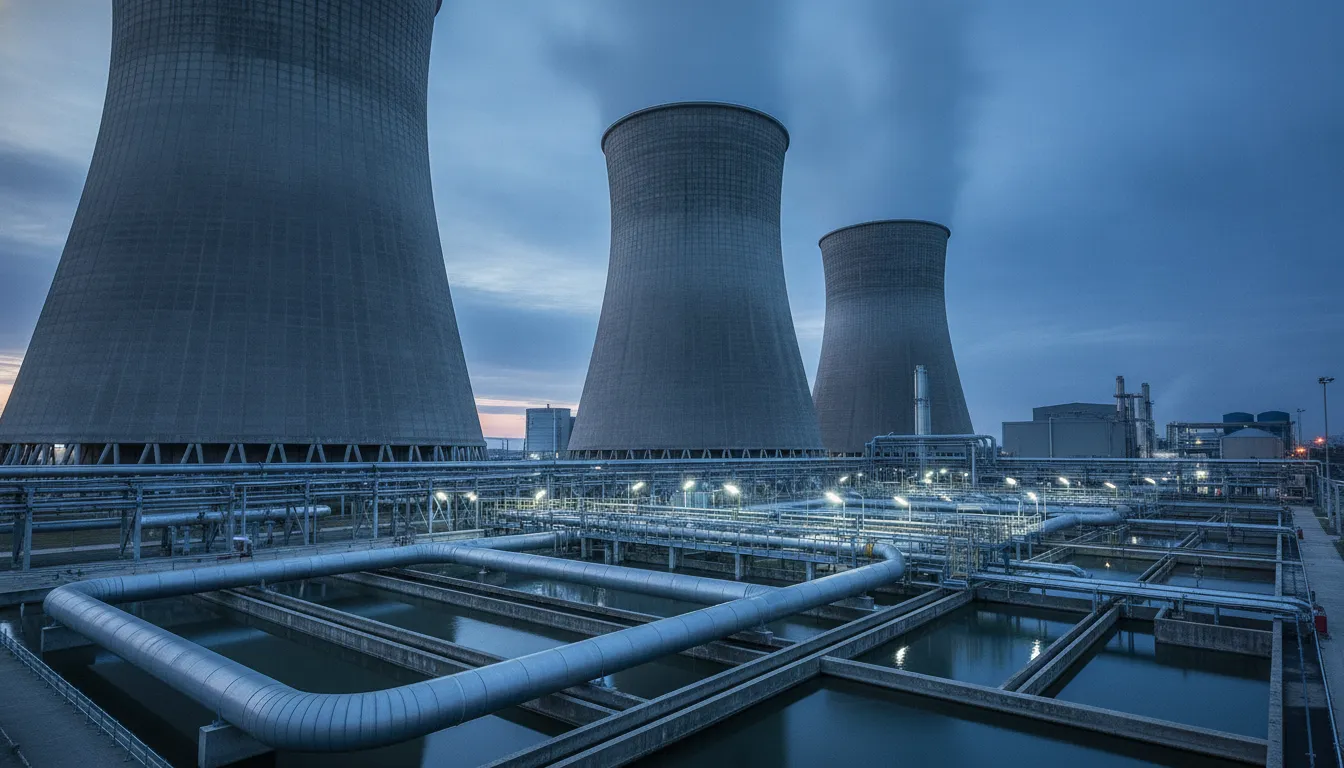
| Power and heat | Cooling, boiler make-up | Tower blowdown, condensate |
More by sector in industry solutions.
What pays back fastest
| Measure | Capital cost | Payback order |
|---|---|---|
| Leak repair, metering | Minimal | Months |
| Reagent dose optimisation | Minimal | Months |
| Cascade reuse | Low | Under a year |
| Rinse water recycling | Medium | 1–3 years |
| Membrane recycling | High | 3–5 years |
| ZLD | Very high | Usually justified by regulation |
The ranges are indicative and depend heavily on the site's water tariff and discharge cost. But the order of priority holds: starting at the top of the table is almost always right, and surprisingly often the first two rows close a meaningful share of the gap without a single new vessel.
What the reagent scheme contributes
Reagents affect sustainability through more than effluent quality. A properly selected coagulant dose produces less sludge — which means lower dewatering, transport and disposal cost. Switching to a reagent with a lower working dose cuts both logistics and stock holding. And treatment that sits comfortably inside the limit means no penalties and no shutdowns.
That is why dose optimisation ranks so high in the table above: it needs no capital and pays back across three fronts at once — reagent spend, sludge volume, and compliance risk.
Frequently asked questions
Where do we start with no project budget?
With metering and a water balance. It is the cheapest action with the highest return: it shows where investment is even worth making, and it frequently uncovers losses whose elimination funds the next step.
What reuse share is realistic?
It depends on sector and quality requirements. Rinsing and auxiliary duties accept returned water easily; returning to the core process runs into salt accumulation and needs a membrane stage. For most plants 30–60 % is an achievable benchmark.
Won't recycling concentrate contaminants?
It will, if the loop is closed without blowdown and monitoring. Every recirculating system includes a blowdown and dissolved-solids monitoring — those are exactly what set the maximum achievable recycle rate.
How do we justify the project internally?
Through specific consumption and true cost per cubic metre including everything: abstraction tariff, discharge cost, reagents, dewatering and sludge disposal. Calculating on the water tariff alone understates the benefit several times over.
How we usually start
Aqua Global begins with a water balance and stream analysis, then proposes a sequence of measures with a payback estimate for each. See services and our environmental approach, or get in touch through the contact form.