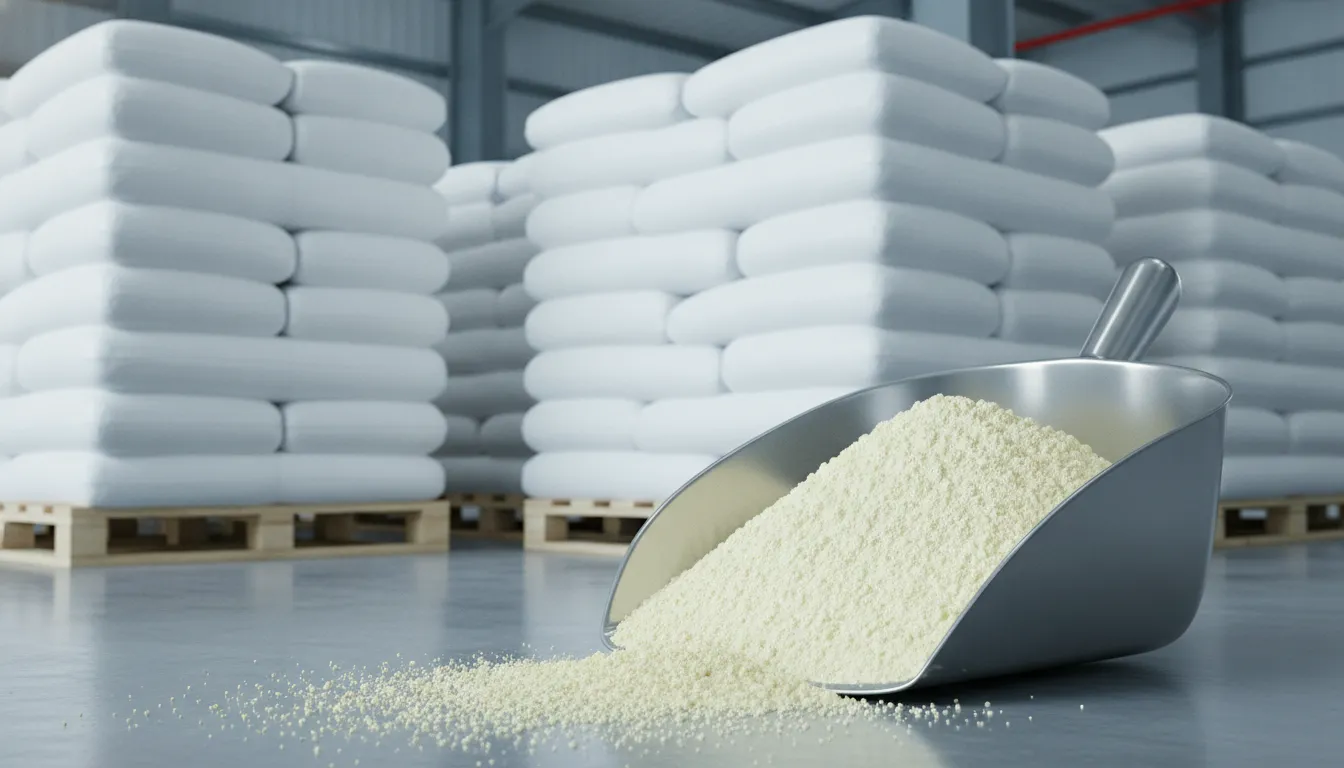
Thanks to its pre-polymerized structure, polyaluminium chloride hydrolyzes faster than classic coagulants, works across a wider pH range, and forms effective flocs even in cold water. It performs strongly in removing turbidity, color, suspended solids, and organic matter, and is used from drinking water to textile and industrial wastewater. Supplied in spray-dried powder and liquid forms.
Key benefits
Applications
Products / Specifications
Supply formats
- 25 kg bags (powder) with palletized shipment.
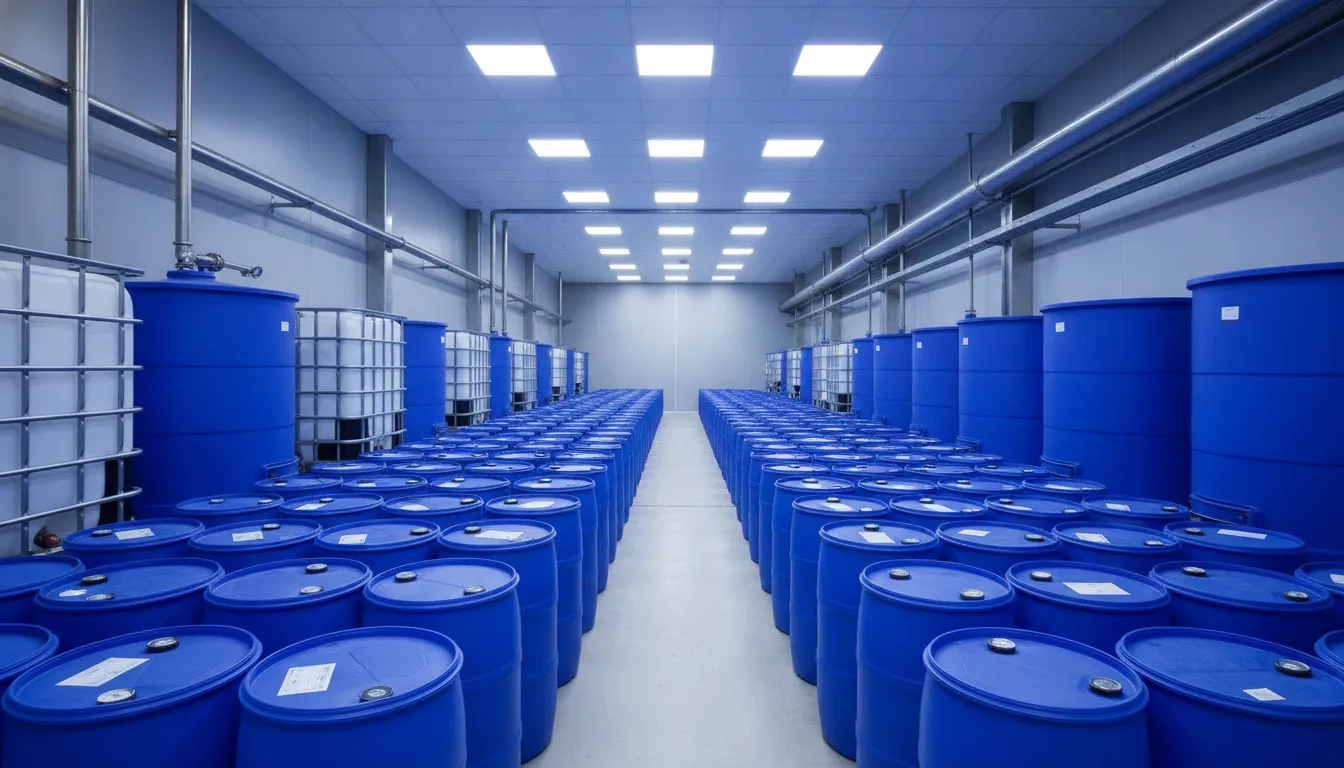
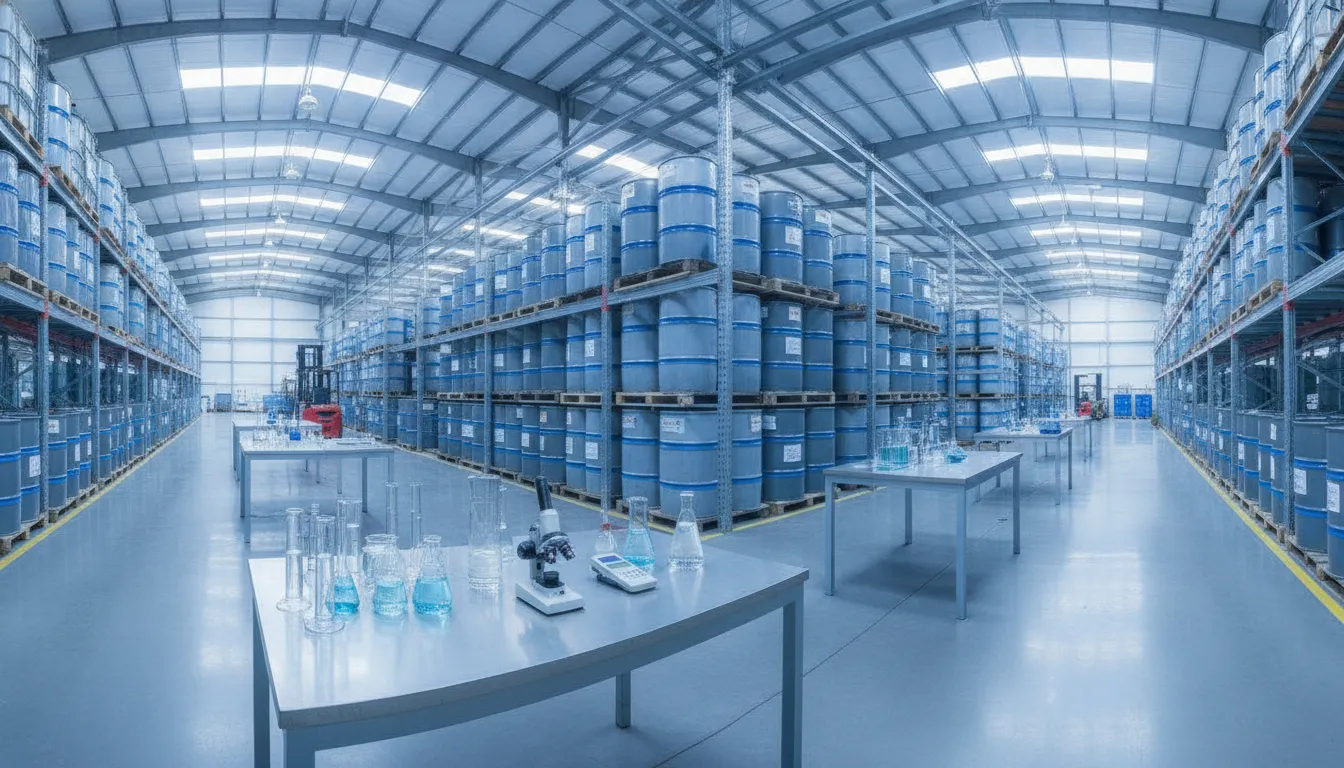
- IBC tanks (1000 L) and tanker delivery for liquid grades.
- Contract replenishment for uninterrupted supply.
What is PAC (polyaluminium chloride) and why choose it?
PAC (polyaluminium chloride) is the modern, high-performance evolution of aluminium-based coagulants. Unlike classic aluminium sulfate, the aluminium in PAC is pre-polymerized into Al13 complexes: this structure delivers strong positive charge the instant it is dosed, consumes little alkalinity, and forms flocs much faster. PAC is effective across a wide pH range (5-9) for removing turbidity, color, suspended solids, organic matter, and phosphate.
The concrete benefits for operators are: 30-50% lower dosage than aluminium sulfate, less treatment sludge, rapid floc formation even in cold water, lower residual aluminium in the treated water, and less need for pH-correction chemicals. Spray-dried powder PAC offers long storage life, while liquid PAC provides direct-dosing convenience. High-purity drinking-water grades are available.
PAC applications and dosing: from drinking water to textile wastewater
Main applications: clarification in drinking water treatment plants, phosphate and COD removal in municipal wastewater, the coagulant leg of decolorization programs in textile and dyehouse effluents, process water preparation in the paper industry, swimming pool water clarification, and industrial process water conditioning. Combined with a color remover and polyacrylamide, PAC completes a full program that meets discharge standards for textile wastewater.
Typical dosage is 10-50 g/m3 in drinking water and 100-500 g/m3 in industrial wastewater (depending on the product's Al2O3 content). The exact dose must be set by jar testing, where PAC, aluminium sulfate, and ferric chloride are compared to select the lowest-cost coagulant program. Powder PAC is dosed as a 5-10% solution; liquid PAC directly or diluted.
Buy PAC — polyaluminium chloride supply in Uzbekistan
Aqua Global supplies powder and liquid PAC grades in 25 kg bags, IBC tanks, and tankers from Tashkent across Uzbekistan. High-purity grades for drinking water plants and economical grades for industrial customers are held in stock. Write to us via the contact page to check PAC prices, request a comparative jar test for switching from aluminium sulfate, or set up a regular supply agreement.
Frequently Asked Questions
What is the difference between PAC and aluminium sulfate?
Thanks to its pre-polymerized structure, PAC forms flocs faster, works at 30-50% lower dosage, produces less sludge, and consumes far less alkalinity. Aluminium sulfate is the classic coagulant with a lower unit price. Total operating cost should be compared by jar testing — for many plants, switching to PAC yields net savings.
What should the PAC dosage be?
Typically 10-50 g/m3 in drinking water and 100-500 g/m3 in industrial wastewater. The real dose depends on raw water turbidity, organic load, and target quality; Aqua Global determines the site-specific dosage by jar testing.
Can PAC be used for drinking water?
Yes. High-purity PAC grades with low heavy-metal content are produced specifically for drinking water treatment and are used worldwide in potable water plants. On request we supply them together with conformity documentation.
In which forms is PAC sold?
Yellow powder (spray-dried) in 25 kg bags, and liquid in IBC tanks and tankers. Powder offers long storage and lower freight cost; liquid offers dosing convenience.