

Cationic polyacrylamide (CPAM) neutralizes negatively charged organic particles and biological sludge to form strong flocs. In decanter centrifuge, belt press, and filter press applications it increases cake dryness, balances polymer consumption, and improves filtrate quality. Different cationic charge densities allow it to be matched to municipal and industrial sludge characteristics.
Key benefits
Applications
Products / Specifications
Supply formats
- 25 kg bags (powder) with palletized shipment.
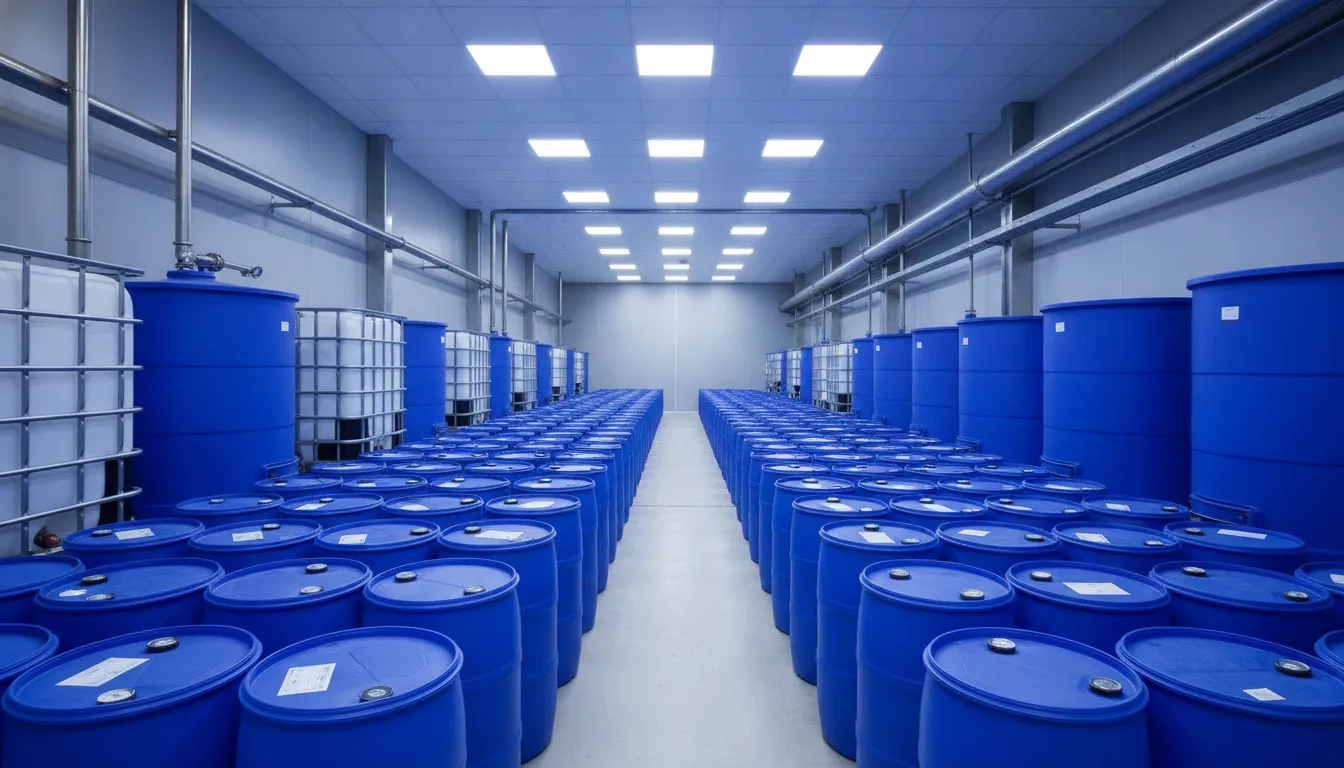
- Drums and IBC tanks for emulsion grades.
- Regular replenishment with site-specific consumption plans.
What is cationic polyacrylamide (CPAM)? How does it work in sludge dewatering?
Cationic polyacrylamide (CPAM) is a positively charged, high-molecular-weight polymer flocculant obtained by copolymerizing acrylamide with cationic monomers. Particles in sewage sludge, food wastewater, and biological systems are predominantly negatively charged; CPAM neutralizes that charge while simultaneously bridging the particles into large flocs. The result is a sludge structure that separates quickly and releases its water easily in dewatering equipment.
Selecting the right cationic charge density (low, medium, high) and molecular weight is the key to dewatering performance. Sludges with high biological content, grease, or septicity usually need high cationic charge; mixed mineral sludges work with lower charge. With the right product, cake dryness improves by several points — direct savings in transport and disposal costs.
CPAM applications: belt press, centrifuge, filter press
CPAM's main application is sewage sludge dewatering: it is the standard chemical for decanter centrifuges, belt presses, and filter presses in municipal wastewater treatment plants. It is also used in food and beverage effluents (slaughterhouse, dairy, oil), textile wastewater, paper mill sludges, biogas digestate, and solid-liquid separation in dissolved air flotation (DAF) units.
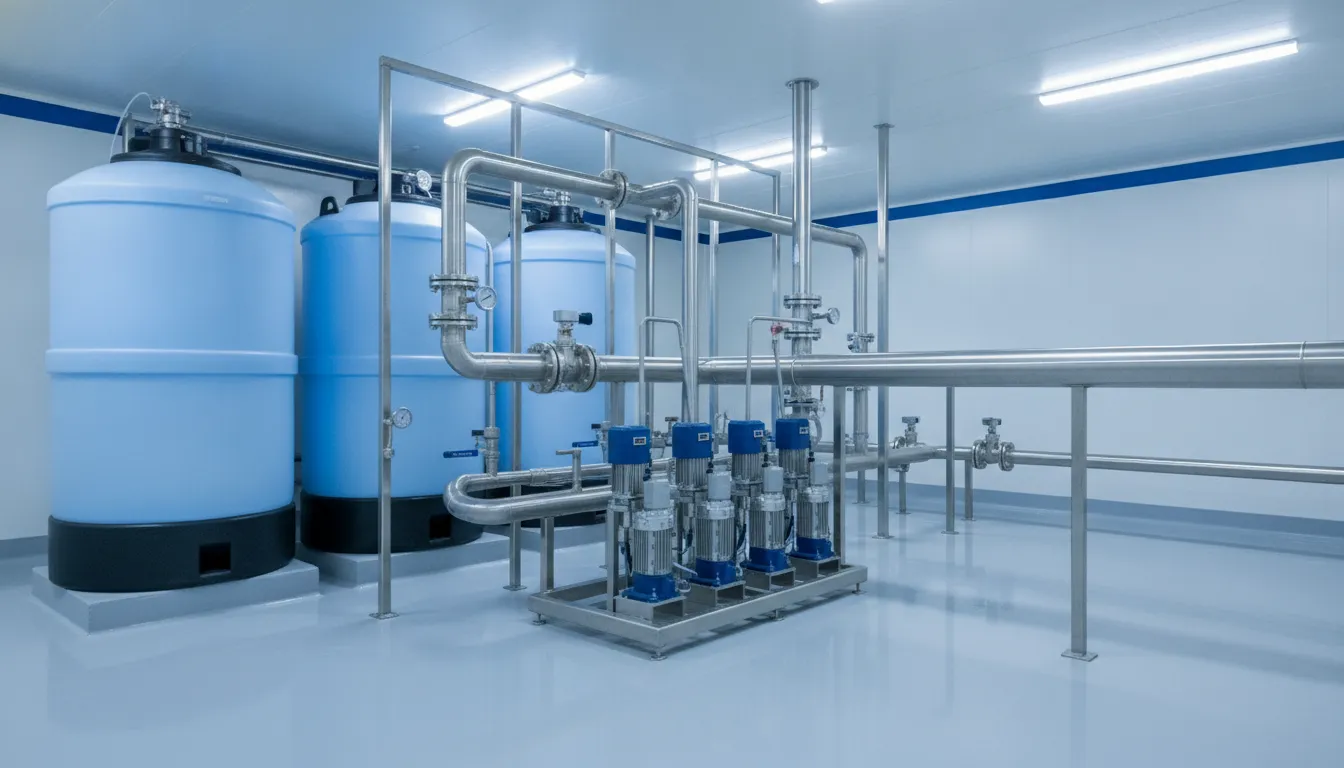
In practice the powder is dissolved at 0.1-0.3% and mixed into the sludge in-line via a static mixer or flocculator. Typical consumption is 2-8 kg per ton of dry solids; decanter centrifuges usually require higher doses than belt presses. The best product is chosen through a cup (flocculation) test on your sludge sample followed by a field trial — Aqua Global's technical team supports you through both stages.
Cationic polyacrylamide supplier — delivery from stock in Uzbekistan
Aqua Global supplies cationic polyacrylamide grades in a range of charge densities, in 25 kg bags (powder) and drums/IBC (emulsion), to all regions of Uzbekistan. For municipal treatment plants and industrial operators, product selection trials, polymer make-up unit tuning, and consumption optimization are included with supply. Request a cationic polyacrylamide price and trial sample via our contact page.
Frequently Asked Questions
Which cationic polyacrylamide suits my sludge?
Product selection depends on the sludge's organic content, grease level, and the dewatering equipment. Biologically dominated sludges need high cationic charge; mixed sludges need medium charge. The right choice is confirmed with a flocculation test on your sludge sample and a short field trial — a process Aqua Global runs free of charge.
Should I choose powder or emulsion polymer?
Powder polymer is more economical with a long shelf life but requires a make-up unit. Emulsion polymer dissolves quickly and integrates easily with automatic systems — practical for smaller plants and variable flows. We recommend the best fit based on your plant's equipment.
How is cationic polyacrylamide consumption calculated?
Consumption is expressed as kilograms per ton of dry solids (kg/t DS): typically 2-5 kg/t on belt presses and 4-8 kg/t on decanter centrifuges. The real value is confirmed by a field trial on your sludge.
Can I get a trial batch or sample?
Yes. Aqua Global first runs a laboratory test to identify the right product, then ships a trial batch for a field trial. Once the target cake dryness and polymer consumption are confirmed, we move to regular supply.