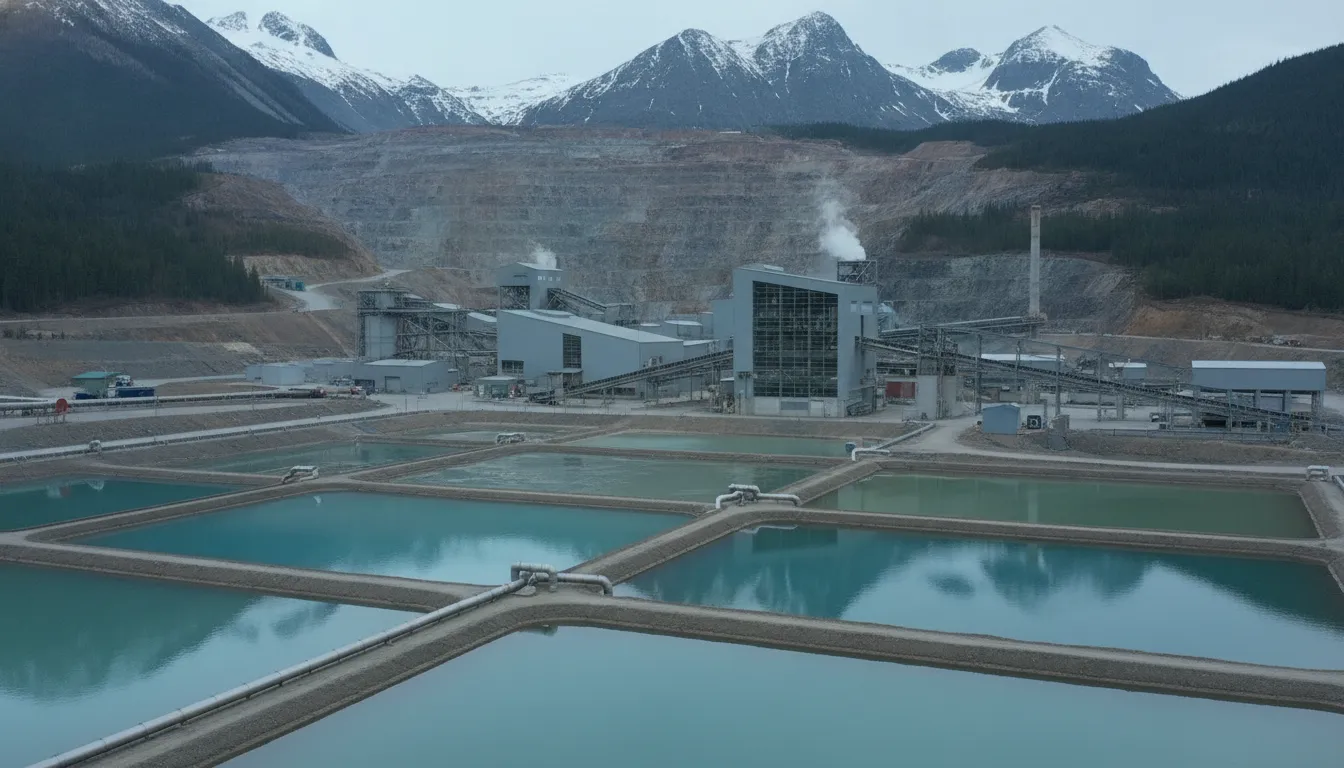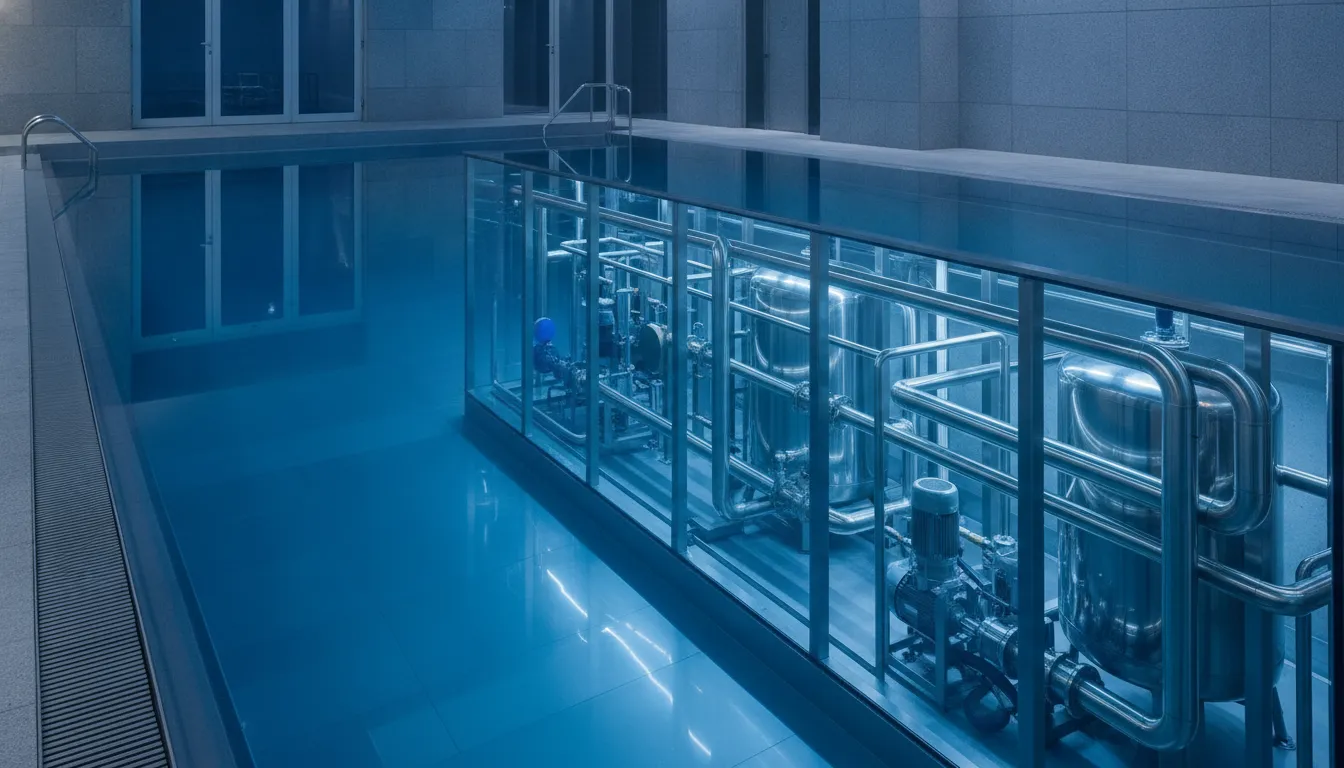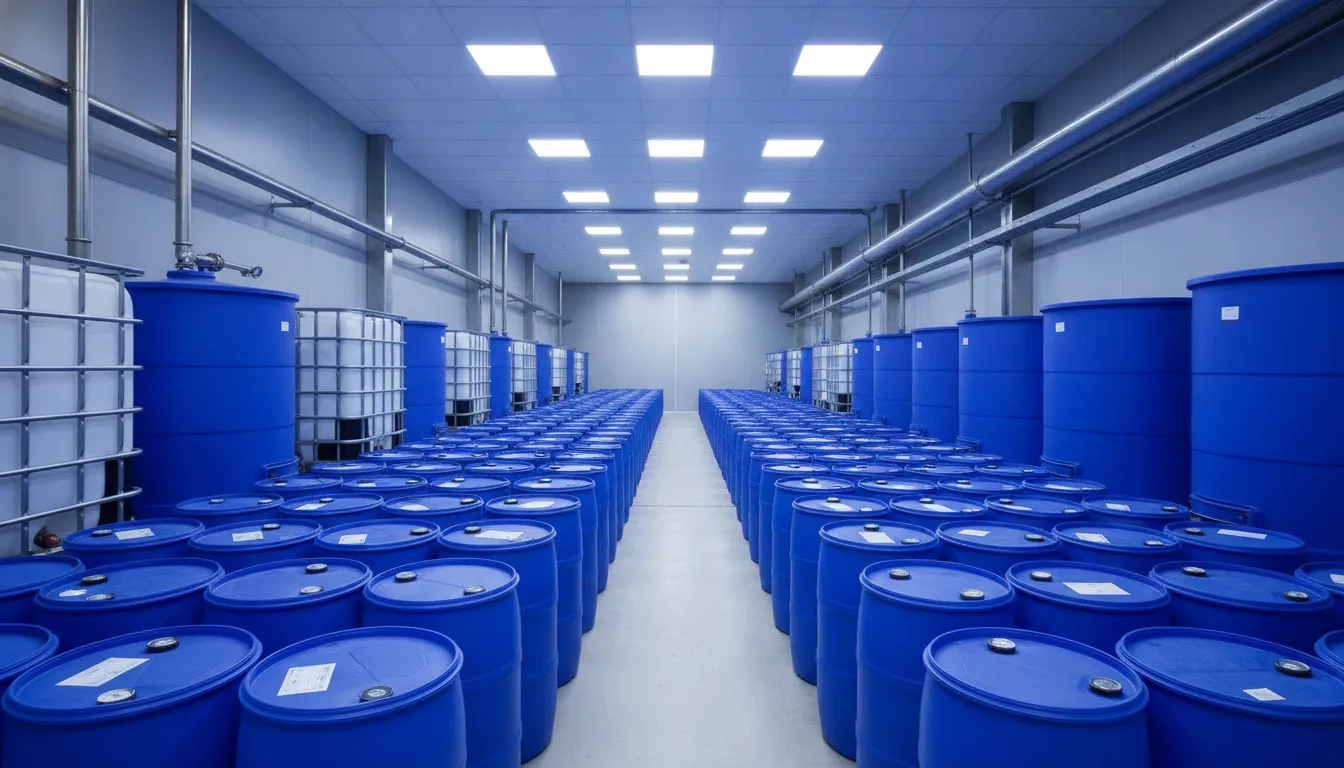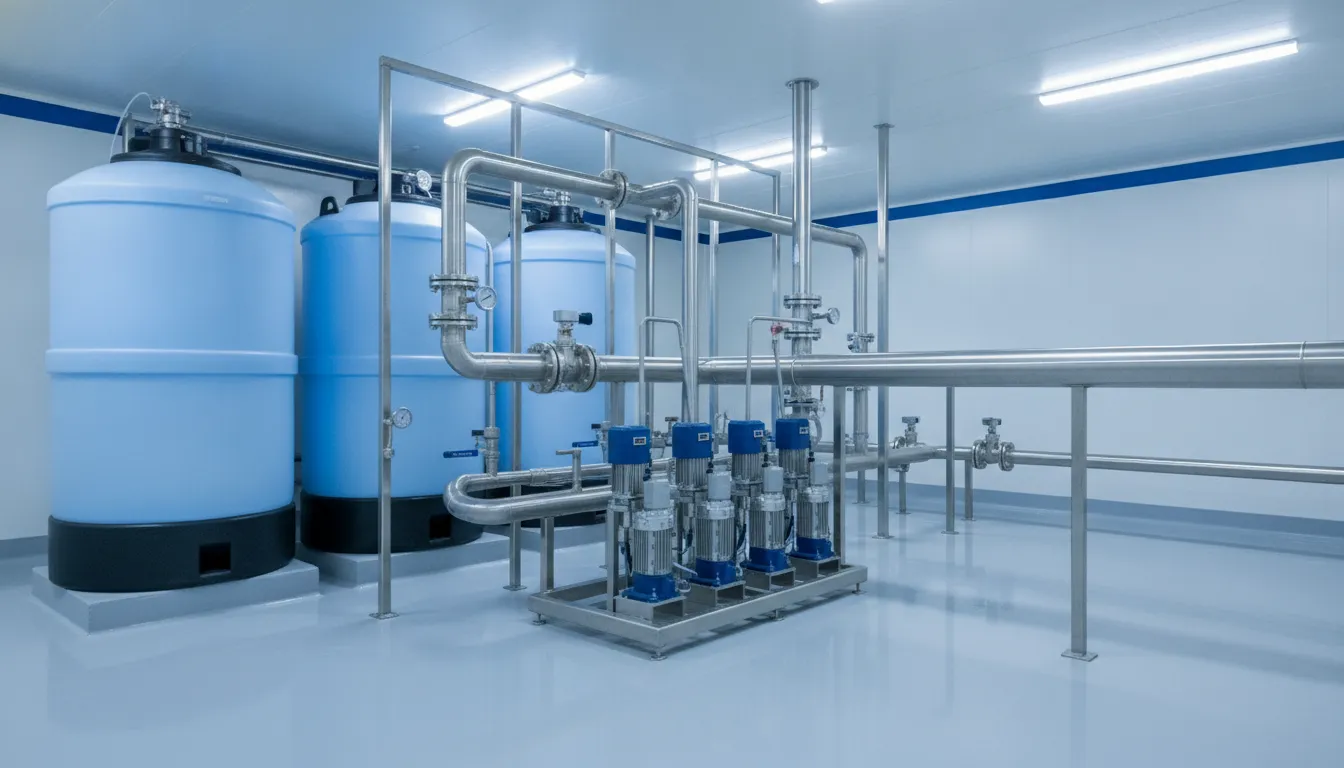
With its strong alkaline character, sodium hydroxide is indispensable to treatment processes. It is used for pH adjustment before coagulation, neutralization of acidic wastewater, precipitation of heavy metals as hydroxides, ion exchange resin regeneration, and membrane CIP applications. Supplied as flakes, prills, and solutions.
Key benefits
Applications
Products / Specifications
Supply formats
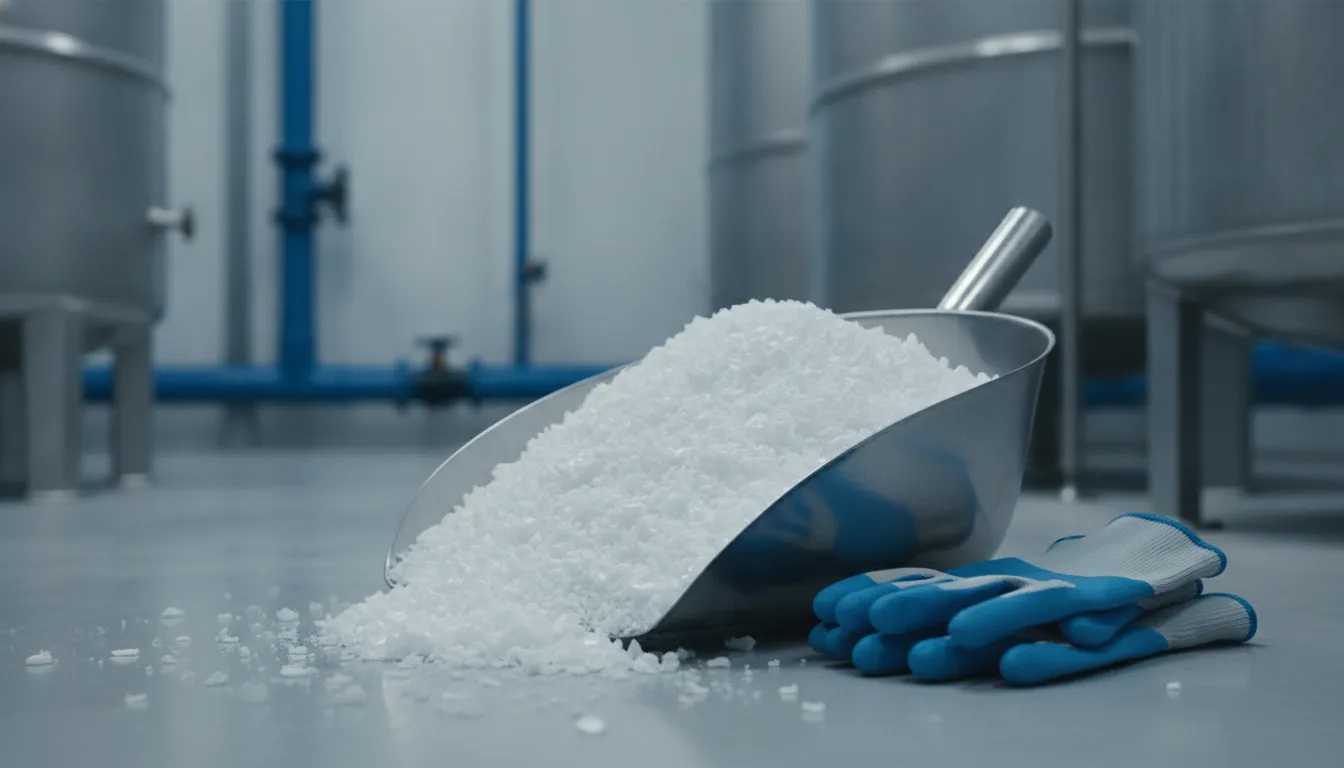
- 25 kg bags (flakes/prills) with palletized shipment.
- IBC tanks and tanker delivery for solutions.
- Delivery with safe-handling instructions.
What is sodium hydroxide (caustic soda)? Core duties in treatment
Sodium hydroxide (NaOH, caustic soda, lye) is industry's most fundamental alkali and the backbone of pH management in water treatment. Its strong base chemistry rapidly neutralizes acidic waters, establishes the optimum pH window for coagulation, and precipitates heavy metals in hydroxide form. It is supplied as flakes, prills and ready-made liquid solutions.
Its main duties in water treatment: neutralizing acidic industrial wastewater before discharge (bringing it into the pH 6-9 band), setting precipitation pH in heavy-metal wastewaters (pH 9-11 for most metals), regenerating anion exchange resins, alkaline CIP cleaning of RO and UF membranes (removing oil, organics, and biofilm), raising pH for corrosion control in drinking water, and managing boiler water alkalinity.
Using caustic soda: dosage, safety, and storage
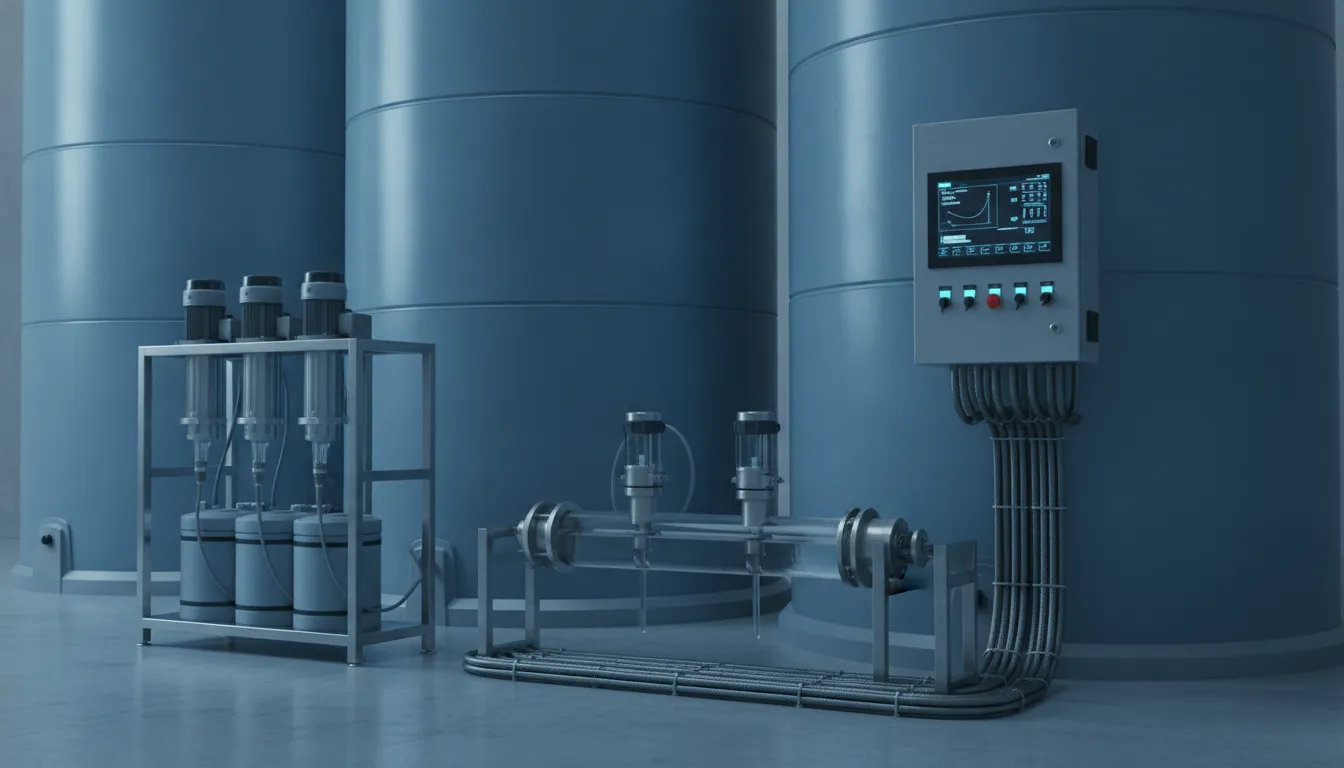
Neutralization dosage is calculated by titration against the wastewater's acidity; in automated systems the dosing pump is tied to a pH controller for precise control within the target band. When dissolving solid caustic, the cardinal rule is: always add caustic slowly to water — never the reverse — because dissolution is violently exothermic and can flash-boil. Since 50% solution starts to crystallize below about 12°C, cold regions prefer 30% concentration or heated storage.
Sodium hydroxide is severely corrosive to skin and eyes: chemical goggles, a face shield, caustic-resistant gloves, and an apron are mandatory during handling, and eyewash and emergency shower stations must be present at the dosing area. Storage tanks and lines can use carbon steel (for dilute solutions) or stainless steel/PE; never allow contact with aluminium or zinc. Aqua Global supports your application end to end, from neutralization capacity calculations to safety equipment recommendations.
Caustic soda supply — sodium hydroxide in Uzbekistan
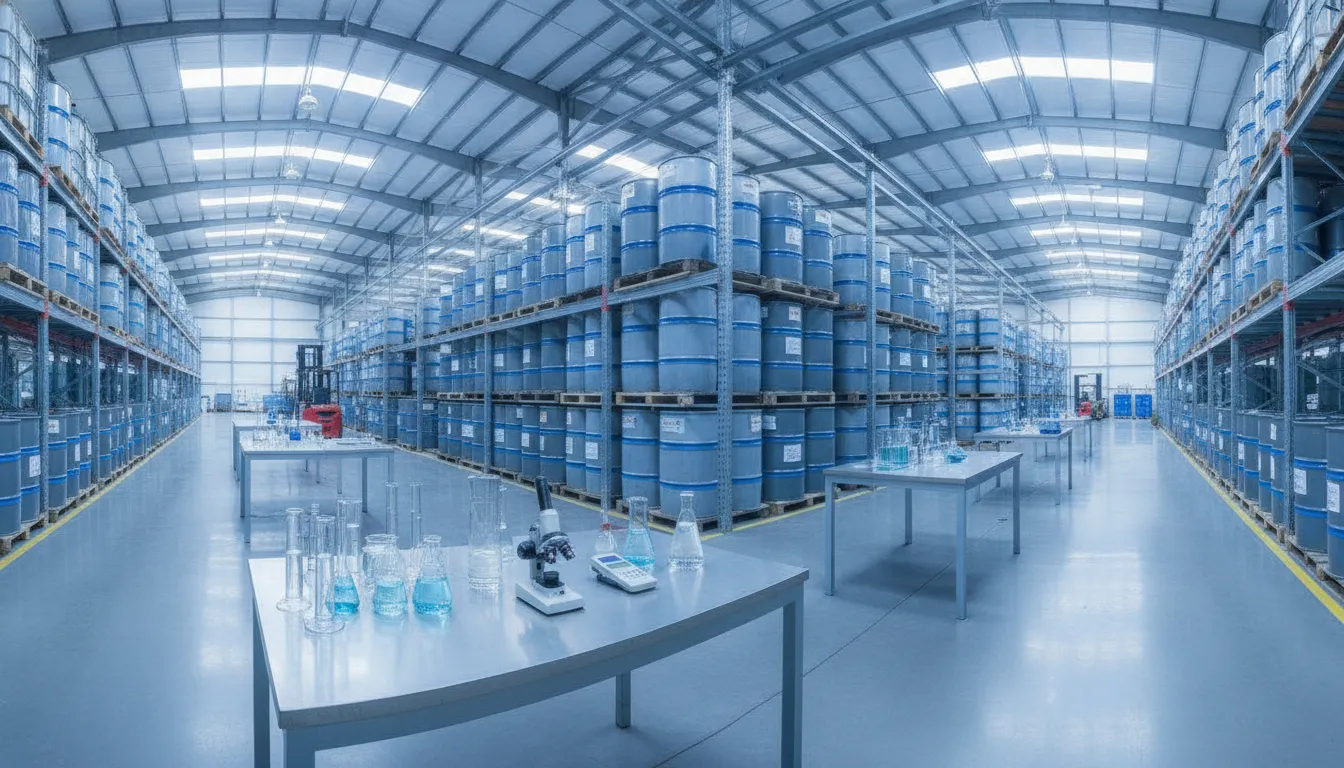
Aqua Global supplies flake and prill caustic soda in 25 kg bags, and liquid caustic at 30-50% in IBCs and tankers, to treatment plants, textile mills, food factories, and power stations across Uzbekistan. For balanced acid-caustic pH control programs we offer a package solution together with sulfuric/hydrochloric acid supply. Request a caustic soda price via our contact page.
Frequently Asked Questions
Should I choose flake caustic or liquid caustic?
Flake/prill caustic is economical to transport and store but needs a dissolving unit and handling procedures. Liquid caustic doses directly with lower occupational risk, though freight cost is higher and the 50% form crystallizes in cold weather. We help determine the most economical form for your consumption volume.
How much caustic is needed to raise pH?
The amount depends on the water's acidity and buffering capacity; as a rough guide, meaningfully raising the pH of 1 m3 of water can require tens to hundreds of grams of NaOH. The exact dose is set by laboratory titration and applied under automatic pH control.
What safety precautions apply when working with caustic soda?
Chemical goggles, face shield, caustic-resistant gloves, and apron are mandatory; when dissolving, always add caustic to water. Keep an eyewash at the dosing area and keep the product away from aluminium/zinc materials. We provide the safety data sheet (SDS) with every delivery.
How is caustic used in membrane CIP cleaning?
For organic and biological fouling, a caustic solution adjusted to pH 11-12 (typically 0.1%, within the membrane maker's limit) is circulated at 30-35°C. For oily fouling it is combined with surfactant additives. We help prepare the CIP recipe suited to your membrane model.