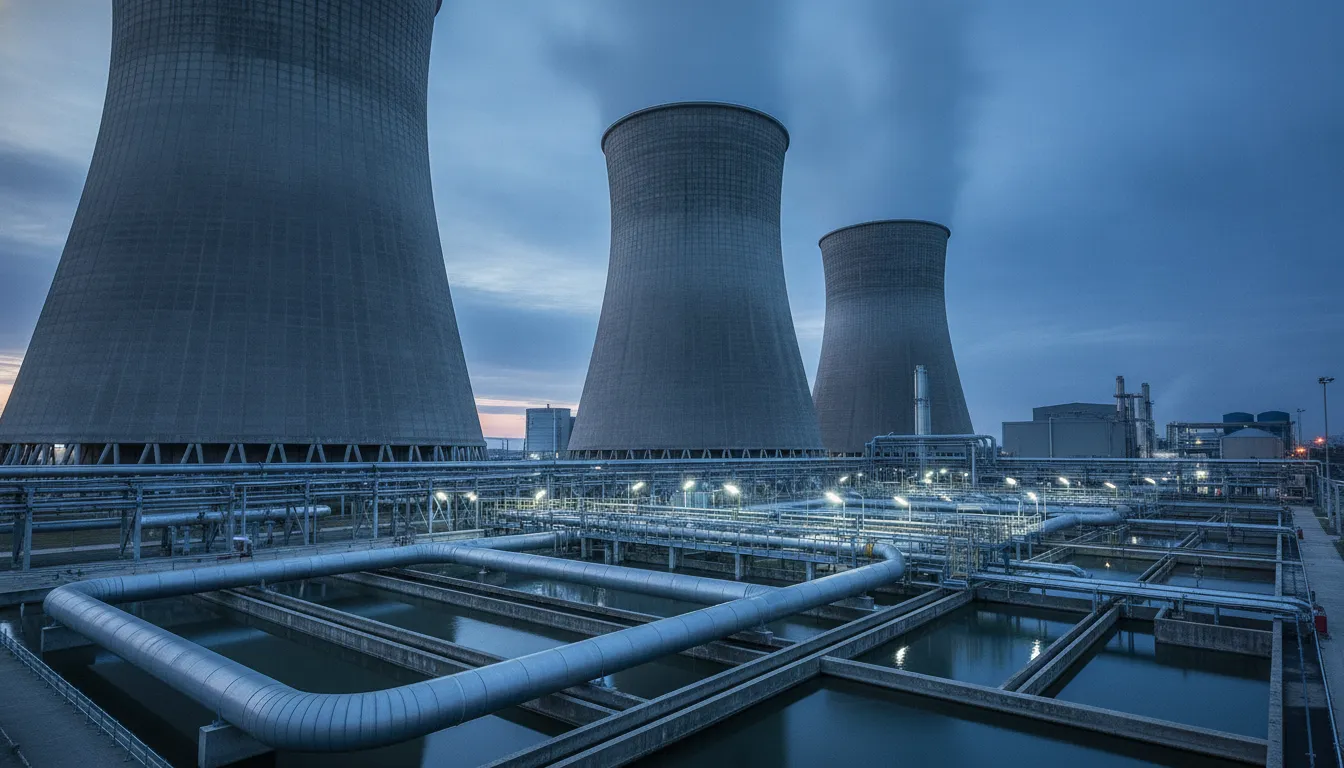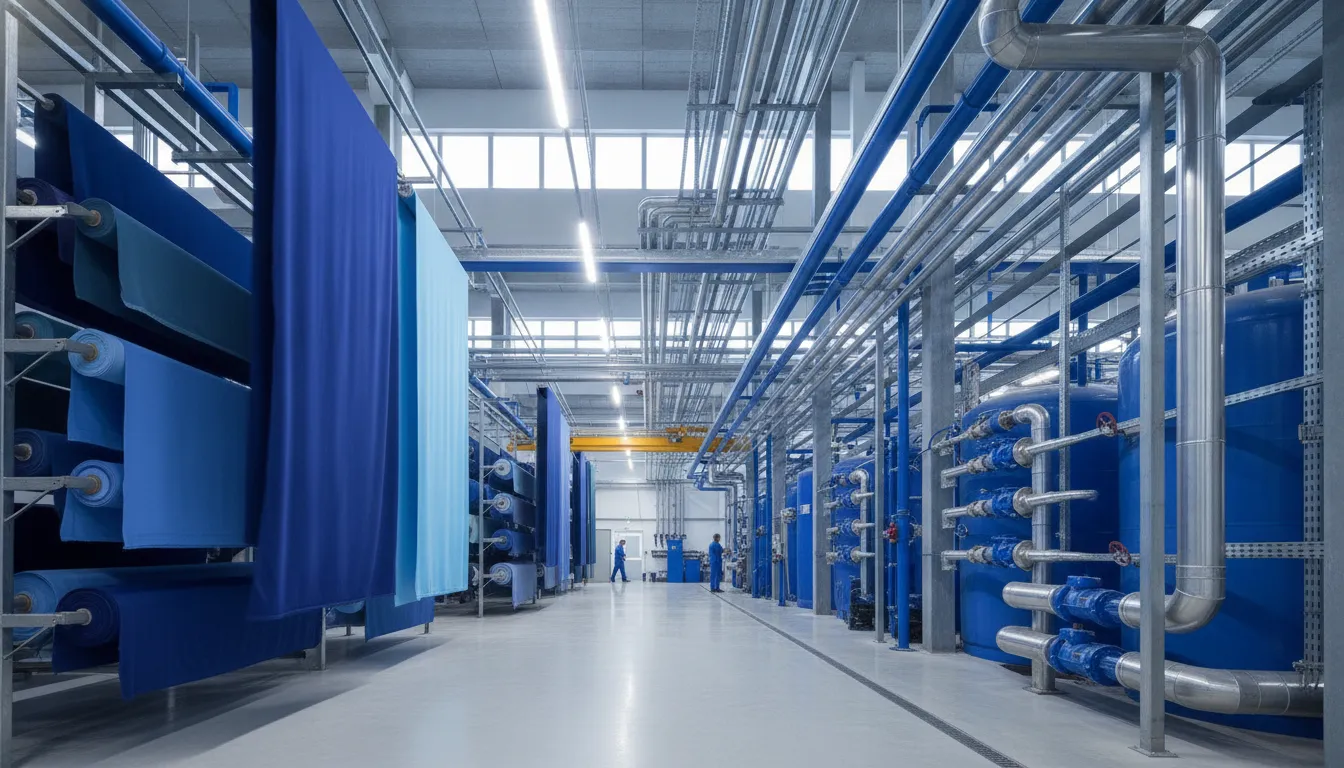
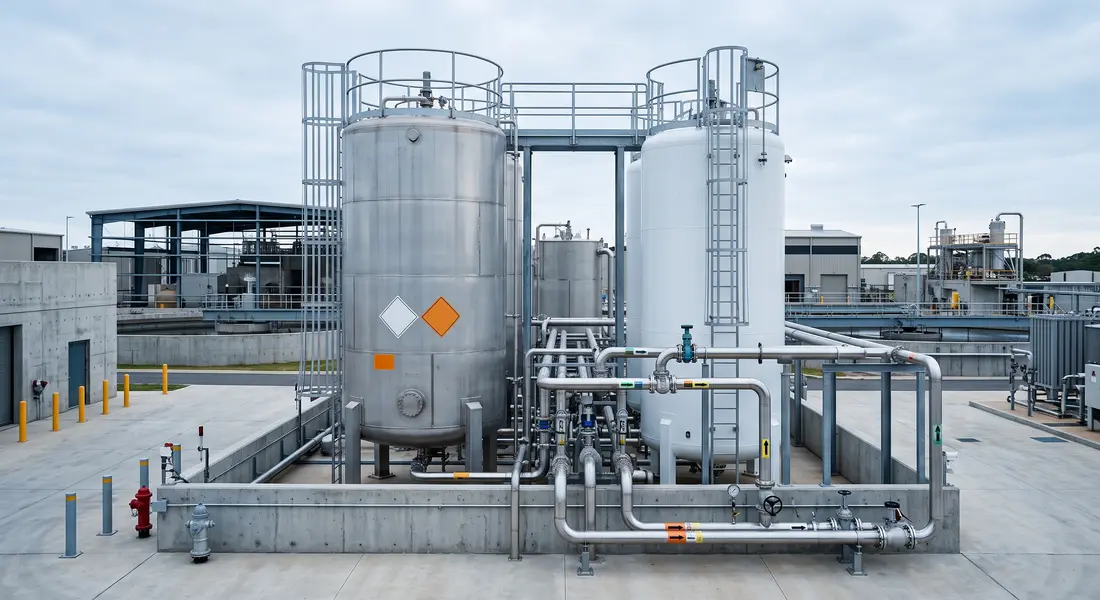
Liquid ammonia solution (ammonium hydroxide) combines with chlorine to form chloramine — a more persistent, lower-THM disinfectant residual favored in long-reach distribution networks. It is also used for pH/alkalinity adjustment in boiler feedwater, pH control in textile dye baths, and select industrial cleaning processes. Supplied in 20-25% technical solution and industrial concentrations.
Key benefits
Applications
Products / Specifications
Supply formats
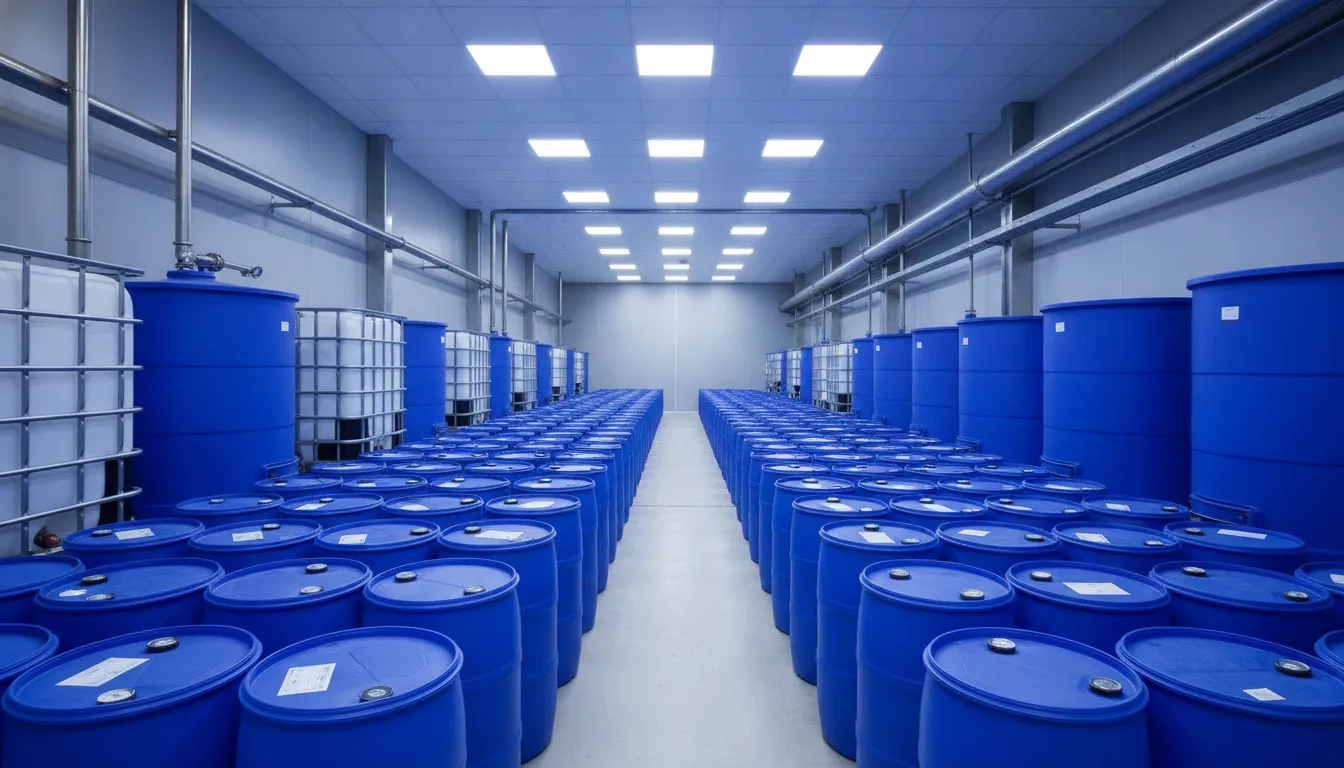
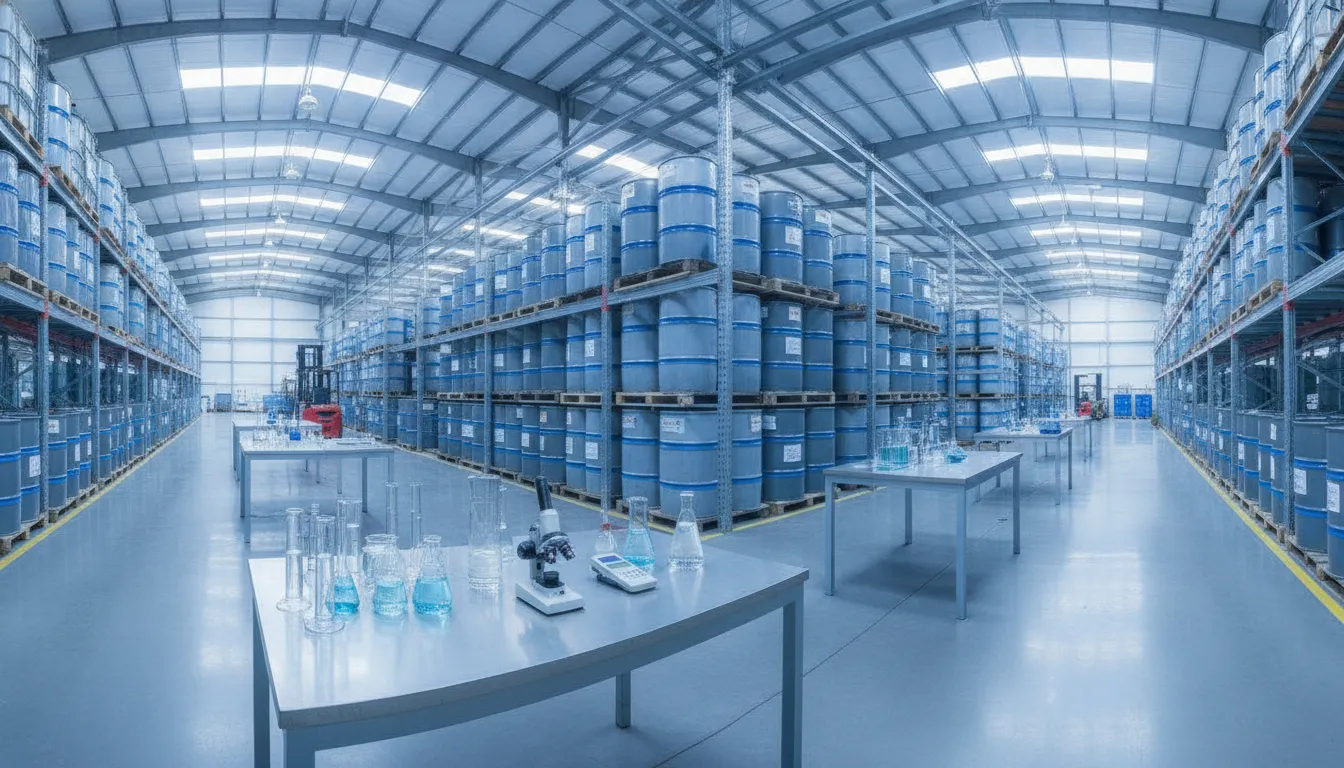
- 25-30 kg drums and barrels.
- 1000 L IBC tanks for bulk supply.
- Tanker delivery for large industrial volumes.
What is ammonia (NH3)? How chloramination works in water treatment
Ammonia (NH3) is a colorless, pungent gas/solution that forms ammonium hydroxide (NH4OH) when dissolved in water. Its best-known role in water treatment is chloramination: mixed with free chlorine in a controlled ratio, it forms monochloramine — a residual disinfectant that is far more persistent than free chlorine in networks and reservoirs, carries fewer taste-and-odor complaints, and produces lower levels of disinfection by-products such as trihalomethanes (THMs).
Chloramination is especially favored for long transmission mains, large storage tanks, and the far ends of a distribution network where a free chlorine residual would otherwise decay too quickly. Outside water treatment, ammonia is also used for pH/alkalinity adjustment in boiler feedwater, pH control in textile dyeing and mercerizing baths, cooling systems, and select industrial cleaning processes.
Chloramination dosing, safety, and storage rules
The typical chlorine-to-ammonia-nitrogen weight ratio for chloramination is 3:1 to 5:1 (4:1-5:1 is generally preferred for monochloramine); an incorrect ratio can form unwanted, odorous, and irritating compounds such as dichloramine or trichloramine. The sequence of the chlorine and ammonia injection points, and the mixing time, must both be carefully controlled.
Ammonia is a toxic, irritating gas — handling requires enclosed-space ventilation, gas detectors, chemical goggles, and gloves. Storage areas must be kept well ventilated and away from acids, oxidizers (chlorine and hypochlorite products in particular), and heat sources — direct contact between ammonia and chlorine vapors can generate dangerous gas clouds.
Ammonia supply — ammonia solution in Uzbekistan
Aqua Global supplies 20-25% technical ammonia solution in drums, IBC tanks, and tanker shipments to drinking water utilities, power plants, and textile factories across Uzbekistan. We provide technical support for chloramination dosing ratio calculations, injection point design, and safe storage. Request a quote through our contact page.
Frequently Asked Questions
What is the difference between chloramination and chlorination?
Chlorination uses free chlorine and delivers fast but short-lived disinfection; chloramination relies on the monochloramine formed from chlorine plus ammonia, which leaves a far more persistent residual. Chloramination is preferred for long network runs and reservoirs, though its disinfection action is slower than free chlorine.
Why shouldn't ammonia be stored alongside chlorine?
When ammonia and chlorine/hypochlorite vapors come into contact, toxic chloramine gases can form suddenly and uncontrollably. The two chemicals should be stored in separate, ventilated areas, with dosing lines clearly labeled to prevent mix-ups.
How is the chloramination dosing ratio determined?
The chlorine-to-ammonia-nitrogen weight ratio is usually kept between 4:1 and 5:1; the exact ratio is determined through field testing based on water quality and target residual. Aqua Global performs this calculation and injection point design free of charge before supply.
What packaging and delivery times are available for ammonia?
We supply in 25-30 kg drums, 1000 L IBC tanks, and tanker shipments; in-stock products deliver within Tashkent in 24-48 hours and to regional cities in 2-4 business days. For facilities with steady consumption, we can set up a contracted monthly supply program.