Our anti-corrosion agents are intended for systems where untreated water chemistry can shorten equipment life and increase maintenance costs. By helping form protective films and stabilize system conditions, these products support longer service intervals and more reliable performance across pipelines, boilers, cooling circuits, and treatment units.
Key benefits
Applications
Products / Specifications
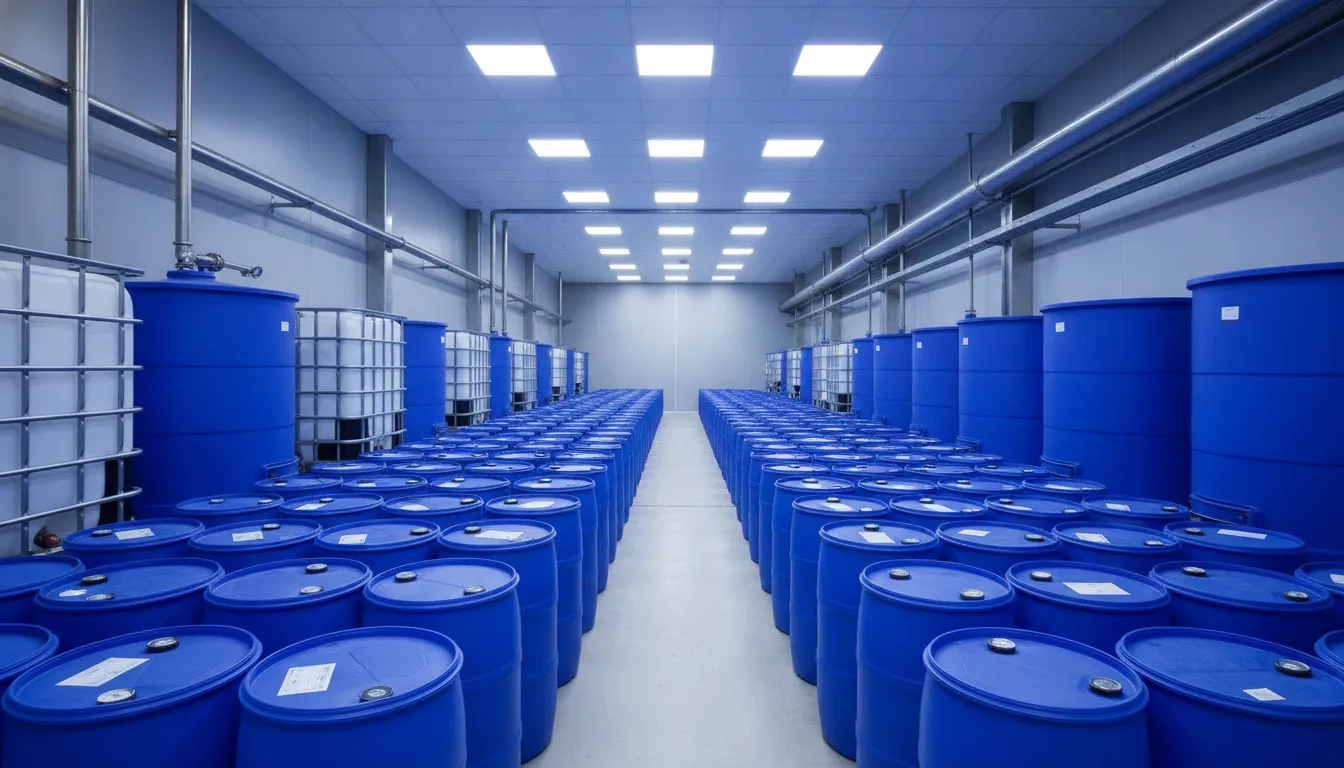
Supply formats
- Compatible with recurring preventive treatment schedules.
- Useful for retrofit programs and existing plant optimization.
- Can be planned with other conditioning chemicals in the same package.
- Structured for industrial users requiring documented supply continuity.
How do corrosion inhibitors work? Where are they used?
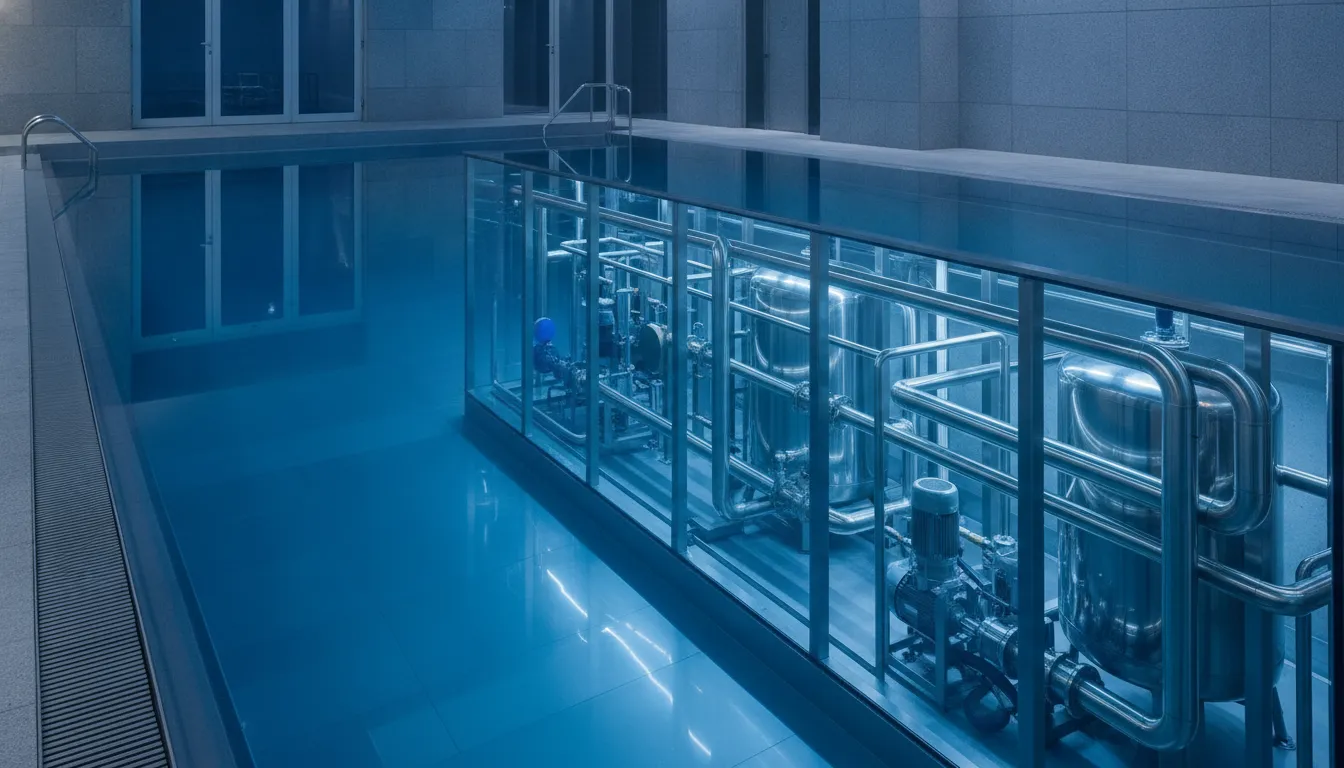
Corrosion inhibitors form a molecular protective film on metal surfaces, controlling the contact between water and steel, copper, and other alloys. Phosphonate-based products also stop scale crystals from growing; zinc, molybdate, and silicate formulations are matched to different water chemistries.
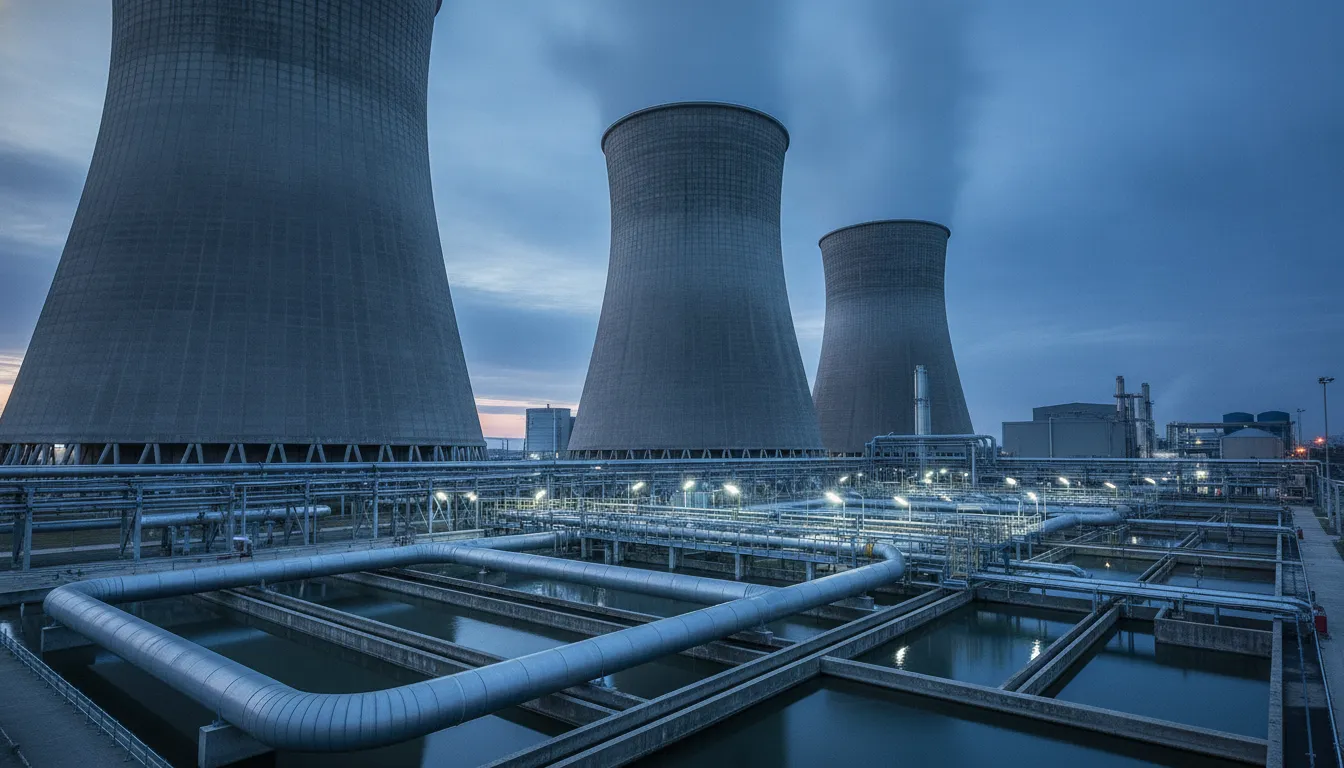
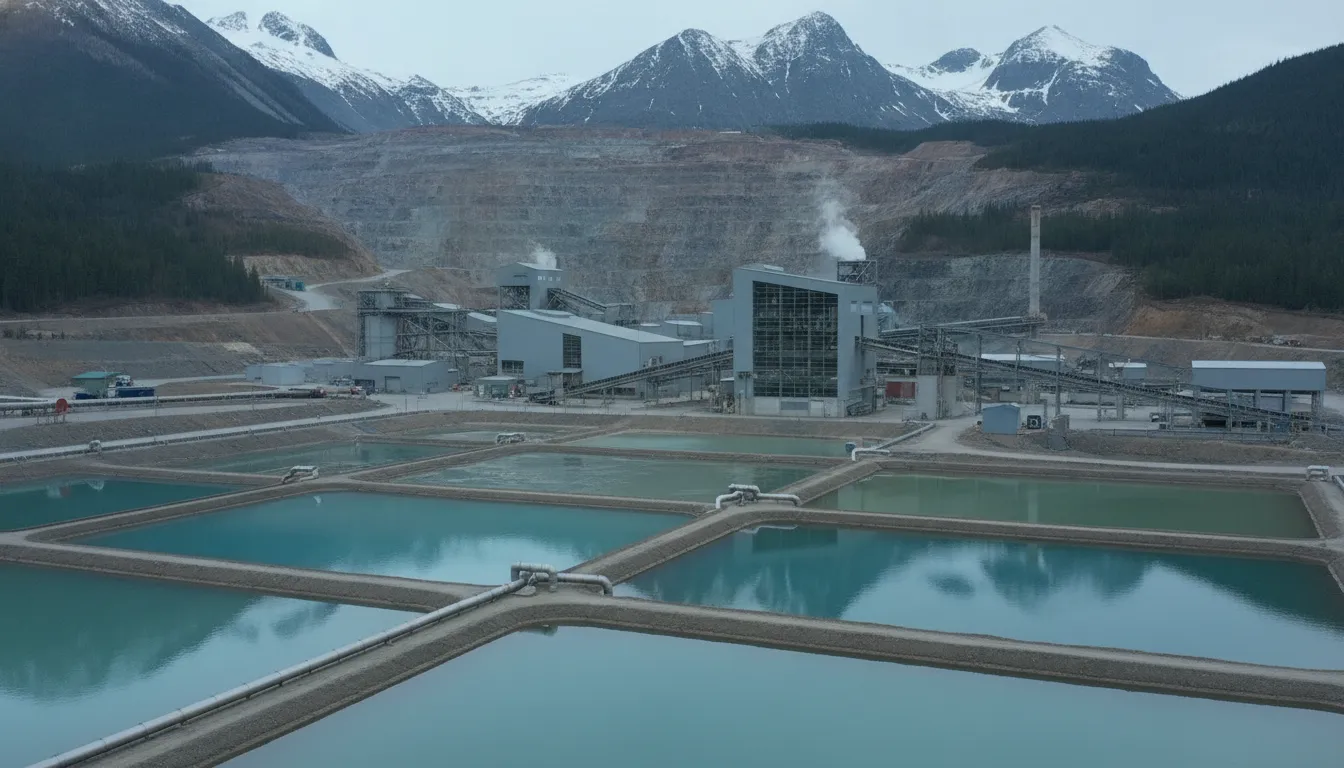
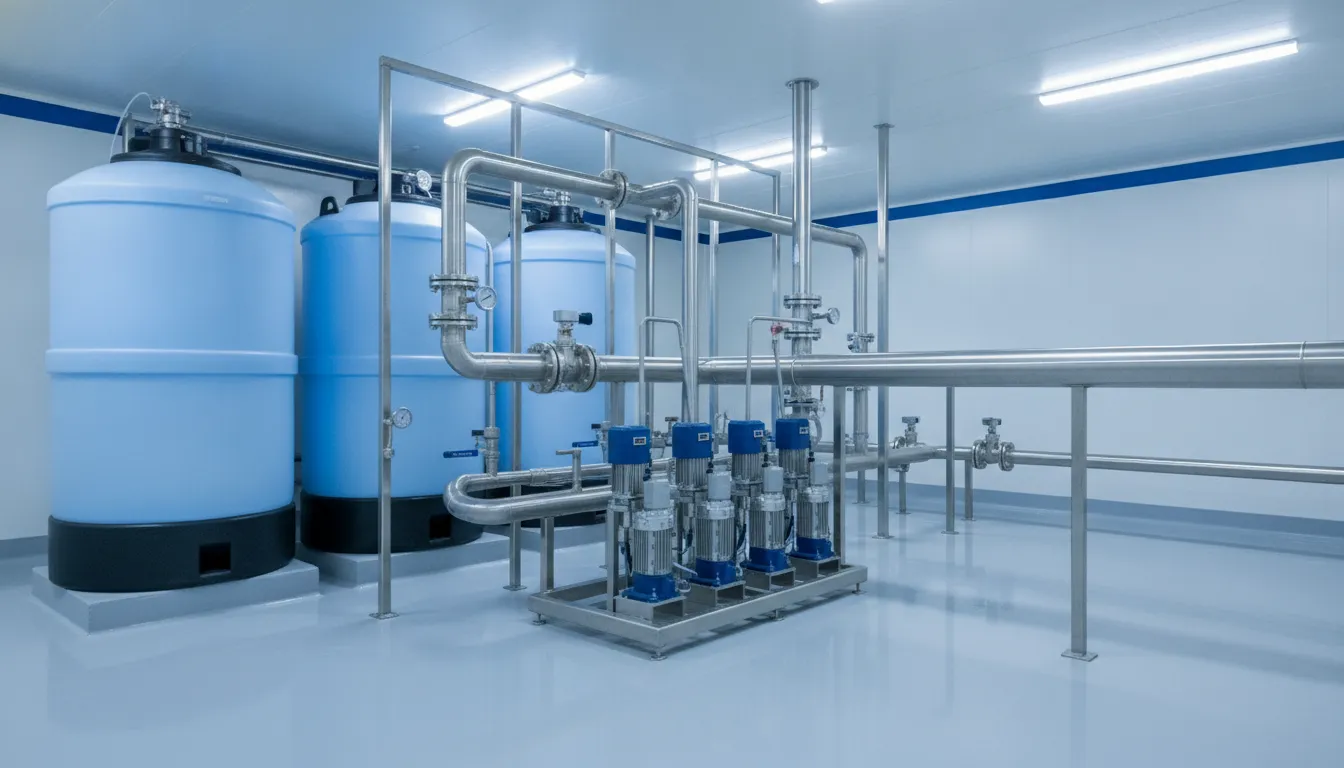
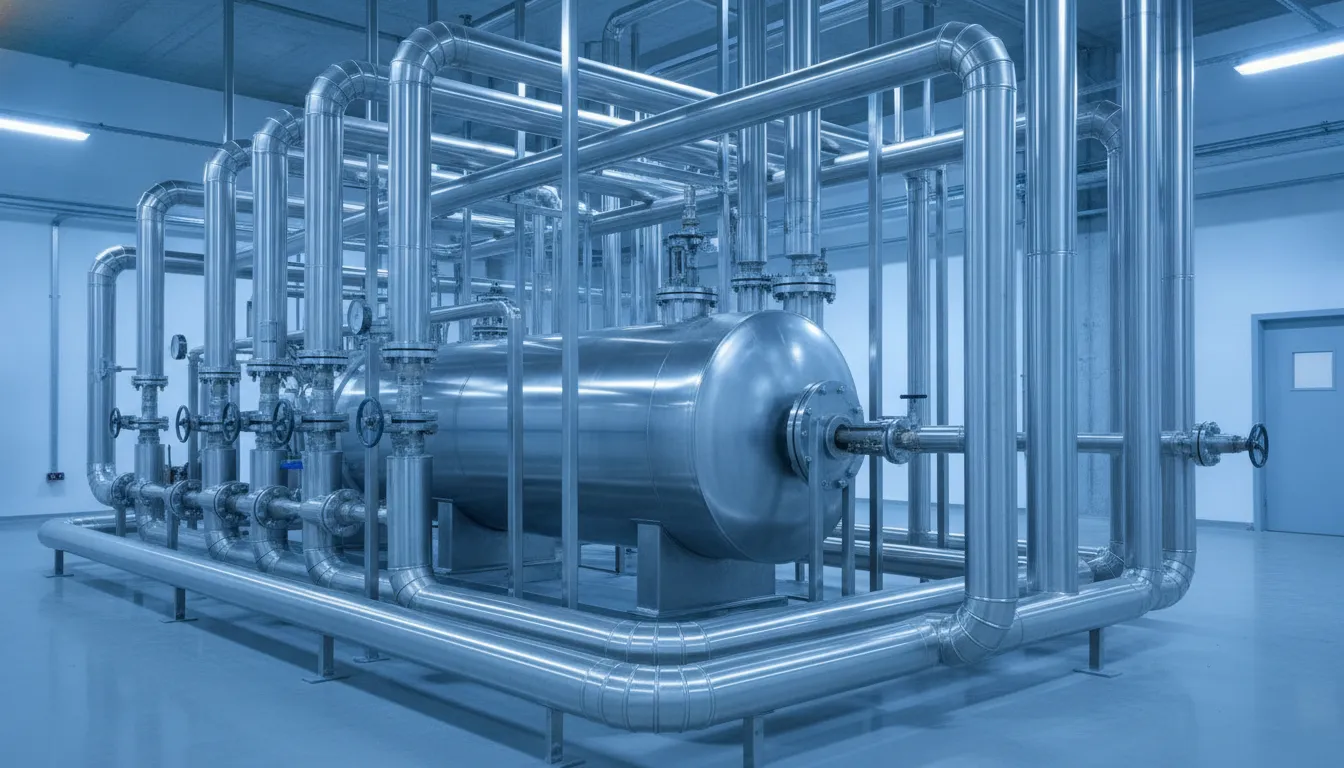
Main applications: open and closed cooling circuits, boiler feedwater lines, heat exchangers, pipe networks, and geothermal systems. The right inhibitor program postpones pipe replacement by years, preserves heat transfer efficiency, and reduces unplanned downtime.
How to set up a protection program
Program design starts with water analysis: hardness, chloride, sulfate, conductivity, and operating temperatures are assessed, and corrosion/scaling tendency (LSI/RSI indices) is calculated. Then the inhibitor type, dosage, and monitoring method (corrosion coupons, cycles-of-concentration tracking) are set.
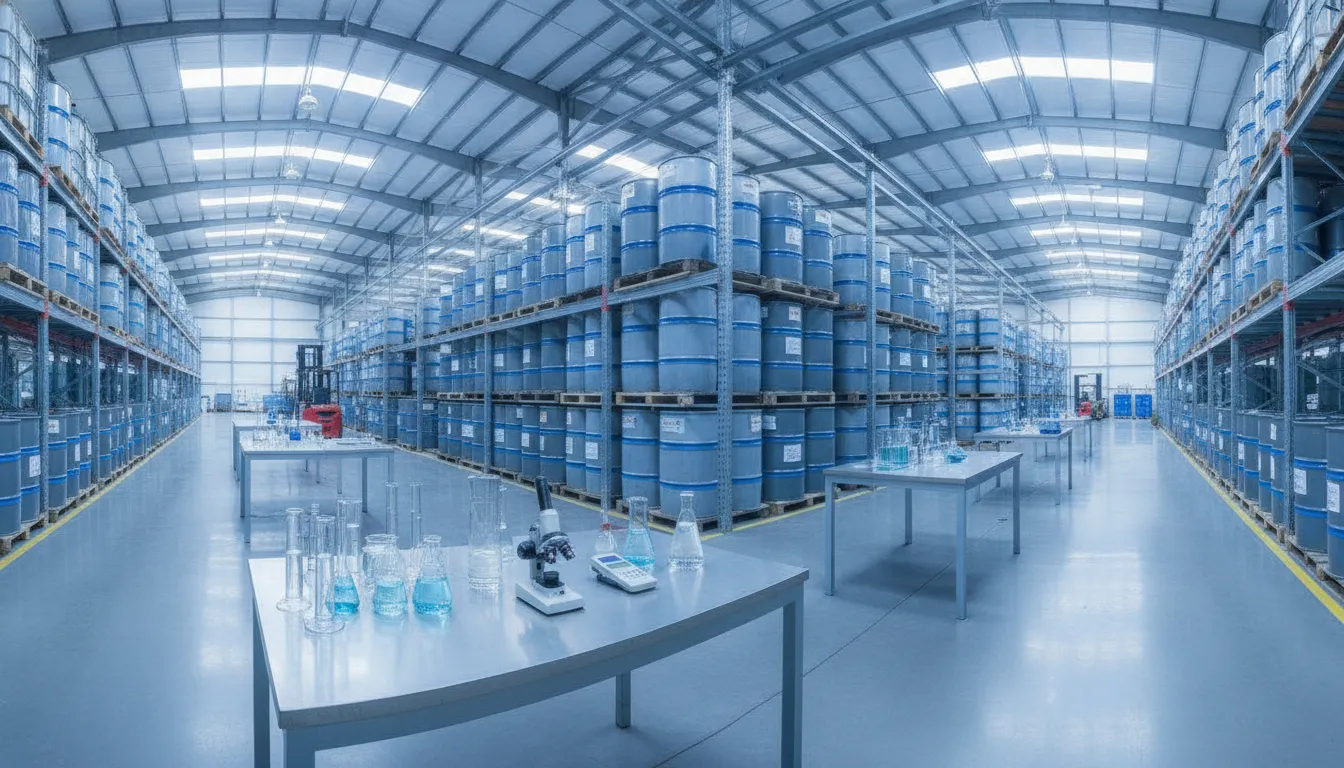
Aqua Global delivers cooling and boiler chemicals together with pH regulators and biocides as a single program, with regular replenishment and field monitoring support across Uzbekistan.
Corrosion inhibitor pricing and field support
Inhibitor cost varies by formulation type (phosphonate, zinc, molybdate, or silicate-based) and circulating water volume; choosing the right program protects a far larger cost item than the chemical itself — pipe and equipment replacement expense. Share a water analysis to receive a tailored program and quote.
Aqua Global supplies cooling towers, boiler rooms, and closed-loop heating systems across Uzbekistan with regular chemical deliveries; our field teams support post-installation corrosion coupon evaluation and periodic water analysis to track program performance.
Frequently Asked Questions
Which systems require a corrosion inhibitor?
Any metal system with continuous water circulation: cooling towers, closed heating-cooling loops, boilers, and heat exchangers above all. With untreated water, pipe life can drop to just a few years.
Are corrosion control and scale control the same thing?
They are different but related problems: corrosion thins the metal, while scale builds an insulating layer on it. Modern formulations usually control both together; a balanced program is chosen based on water analysis.
How are dosing and monitoring done?
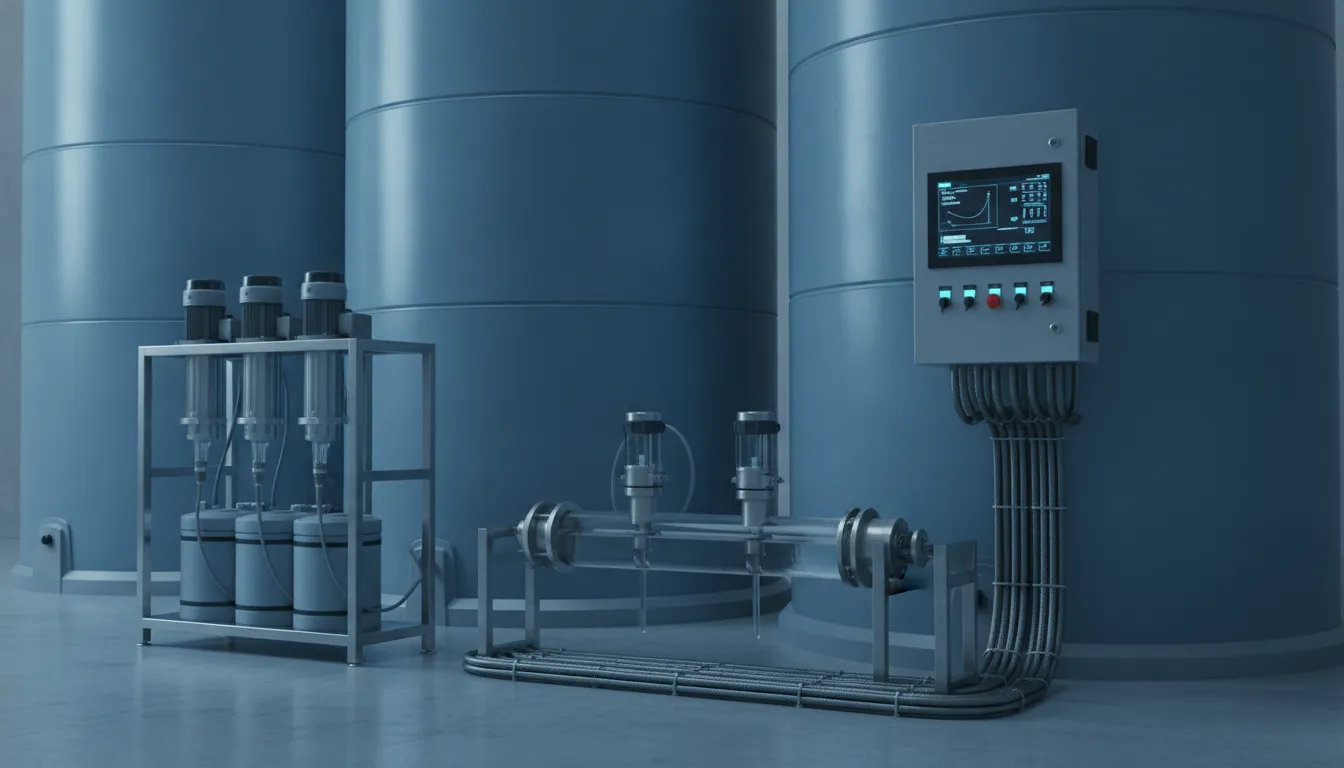
The inhibitor is fed continuously at low dose (typically 10-100 ppm) into the circulating water; effectiveness is tracked with corrosion coupons and water analyses. Aqua Global provides technical support for program setup and periodic monitoring.
How is a corrosion inhibitor program's performance monitored?
Through corrosion coupons (metal test specimens weighed at set intervals) and periodic water analysis (pH, conductivity, iron/copper levels). Aqua Global provides regular sampling and reporting support after installation to confirm the program is working in the field.