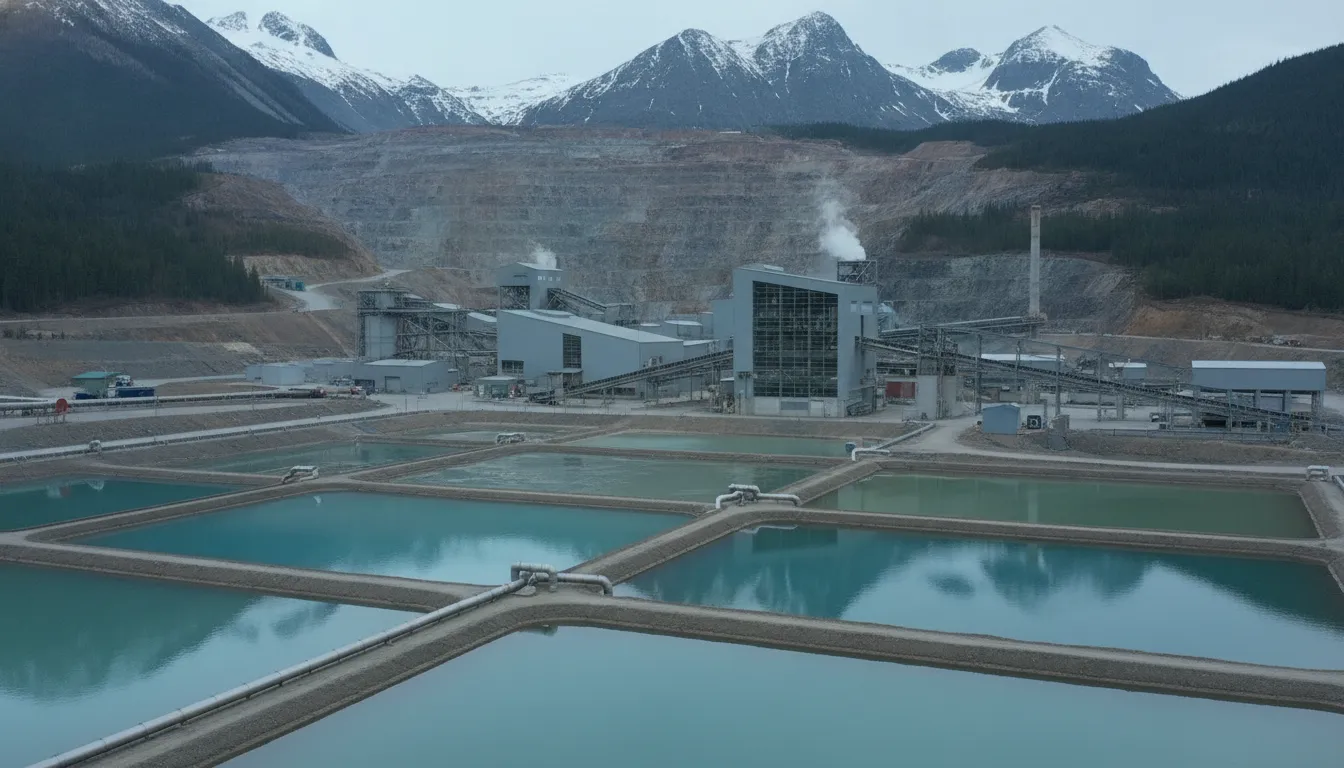
Our coagulants and flocculants are selected for plants that need consistent clarification performance across changing raw water conditions. The range covers inorganic coagulants and polymer-based flocculants used to improve settling, reduce turbidity, and prepare water for filtration or further treatment stages.
Key benefits
Applications
Products / Specifications
Supply formats
- Liquid supply for continuous dosing systems.
- Solid or powdered grades for site preparation workflows.
- Routine replenishment for ongoing plant consumption.
- Project-based supply for commissioning and expansion phases.
What are coagulants and flocculants? What does this category cover?
Coagulants neutralize the surface charge of suspended solids and colloids so they can come together; flocculants then bind these fine particles into large, fast-settling flocs. The coagulation-flocculation pair is the foundation of turbidity removal, color reduction, phosphate precipitation, and COD reduction — the first chemical step of almost every water and wastewater treatment line.
The main products in this category are ferric chloride (FeCl3), PAC (polyaluminium chloride), aluminium sulfate, anionic polyacrylamide (APAM), and cationic polyacrylamide (CPAM). Each has a detailed product page with applications, dosing guides, and FAQs; for textile wastewater, also see our color remover (decolorant).
How to choose the right coagulant — supply in Uzbekistan
The right choice depends on water character: PAC excels in cold, low-alkalinity waters; ferric chloride in phosphate removal and sludge conditioning; aluminium sulfate in budget-driven classic clarification. The final decision always comes from a jar test — products are compared side by side on the same water for dosage, cost, and performance.
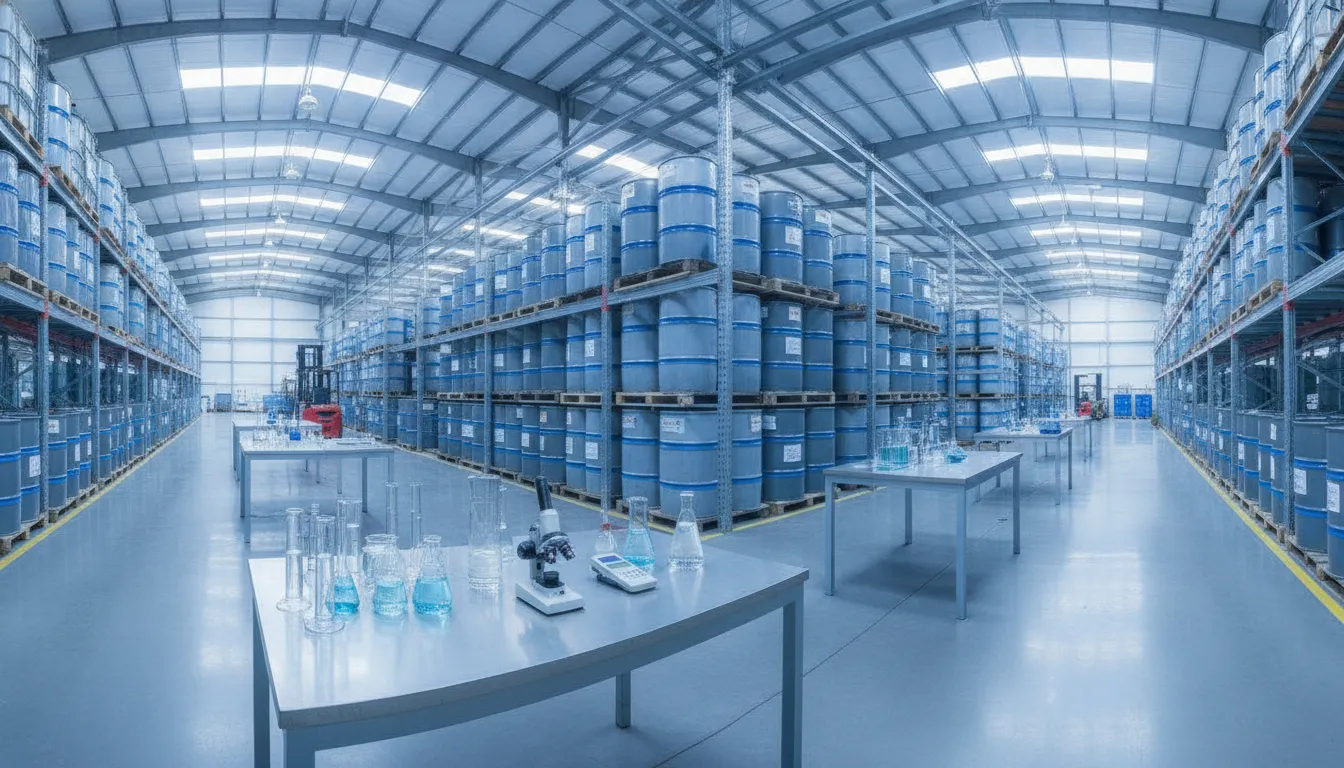
Aqua Global supplies all coagulants and flocculants from Tashkent stock across Uzbekistan in bags, IBCs, and tankers; jar testing, dosage optimization, and program design support are included with supply.
Coagulant and flocculant pricing — requesting a sample or jar test
Coagulant and flocculant pricing varies by product type (inorganic salt vs. polymer), packaging size, order volume, and delivery location. Powdered ferric chloride and aluminium sulfate are typically the most economical entry-level coagulants; PAC sits in the mid-range; polyacrylamide flocculants (APAM/CPAM) carry a higher per-kilogram price but often deliver a lower total chemical cost thanks to their effectiveness at very low dosage. Share a water analysis or sample for a current quote.
Aqua Global ships samples across Uzbekistan — including Tashkent, Samarkand, Bukhara, Fergana, and Namangan — and performs a free jar test on request. Share your water source (surface, well, or industrial wastewater), approximate flow rate, and target parameters (turbidity, color, COD) through our contact page, and we'll prepare a product recommendation and quote within 24-48 hours.
Frequently Asked Questions
What is the difference between a coagulant and a flocculant?
A coagulant (ferric chloride, PAC, aluminium sulfate) neutralizes particle charge to form small grains; a flocculant (polyacrylamide) binds those grains into large, fast-settling flocs. Most plants dose both, in sequence.
Which coagulant suits my water?
It depends on temperature, pH, alkalinity, turbidity, and target parameters. The definitive answer comes from a comparative jar test on your sample — Aqua Global runs it free of charge and delivers a dosage-cost recommendation.
In which packaging are coagulants supplied?
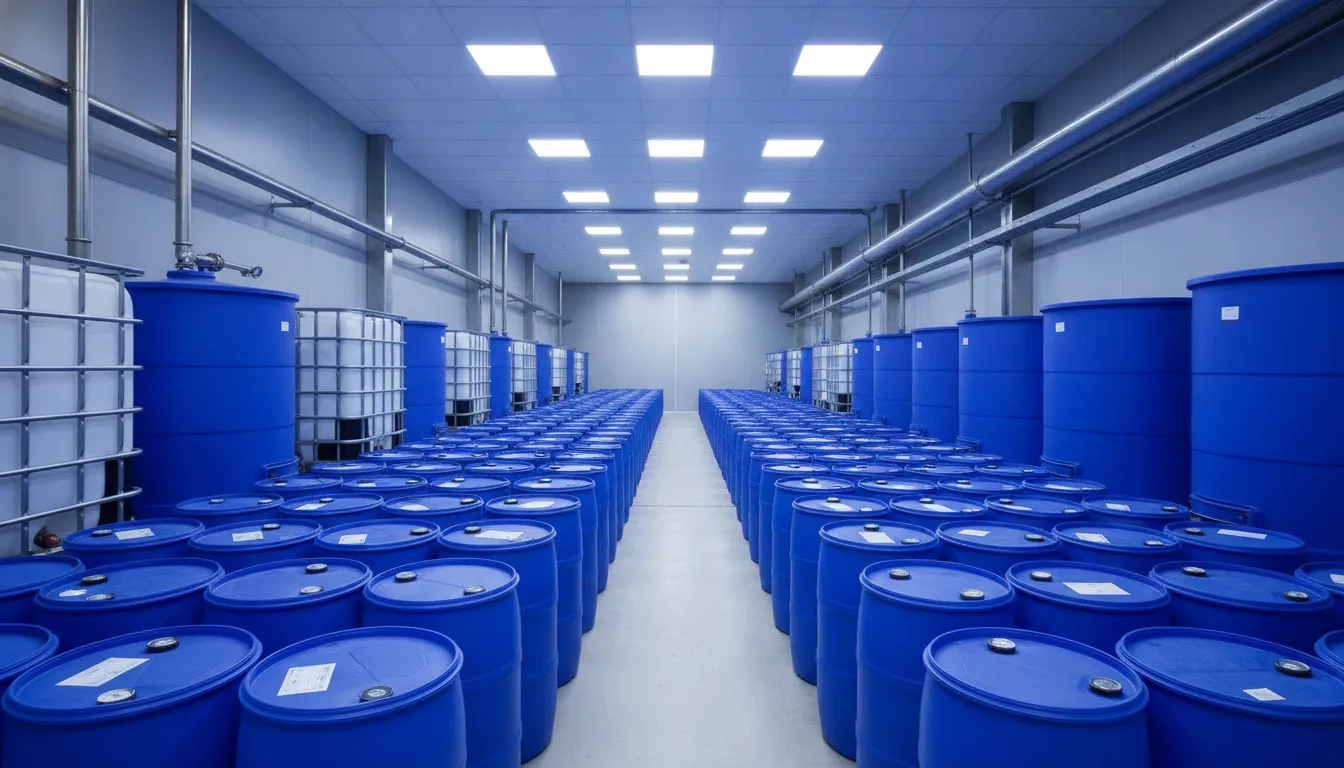
Powder products in 25 kg bags and big bags; liquids in jerrycans, 200 kg drums, 1000 L IBC tanks, and bulk tankers. Contract replenishment programs are available for regular consumption.
What information should I share when ordering a coagulant?
Water source type (surface/well/wastewater), approximate daily flow, current turbidity/color/COD values, and target output quality are enough for us to recommend the right product family and starting dosage range; we recommend confirming with a jar test on a sample before finalizing.