What we supply, and to whom
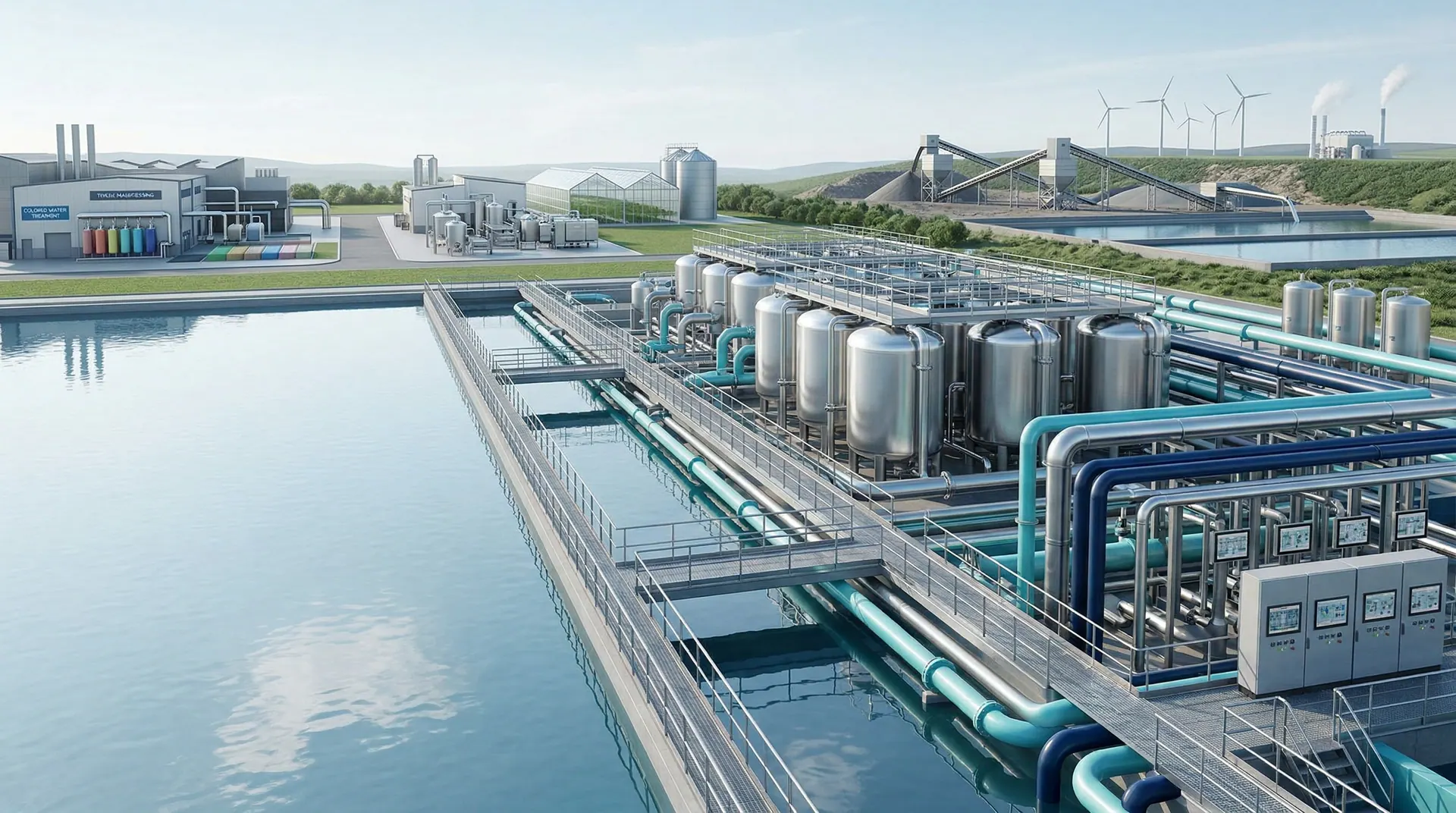
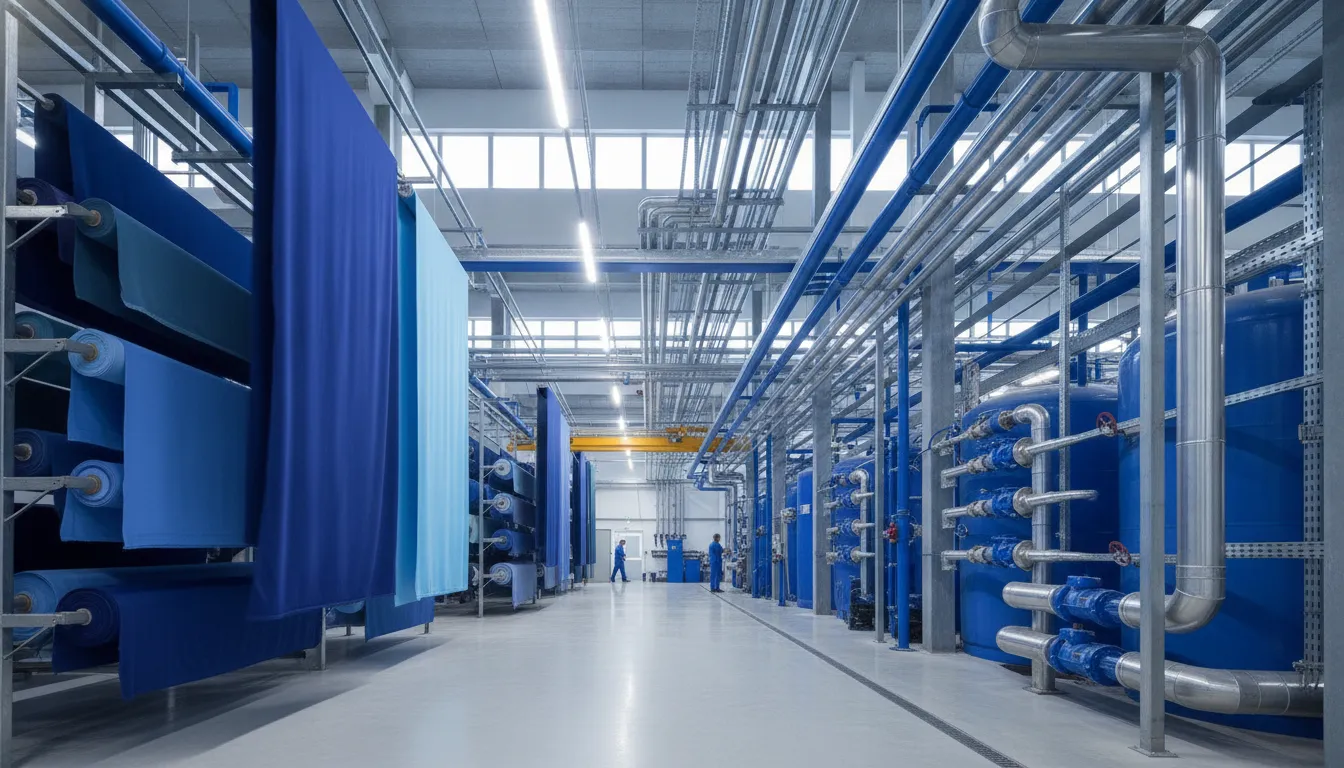
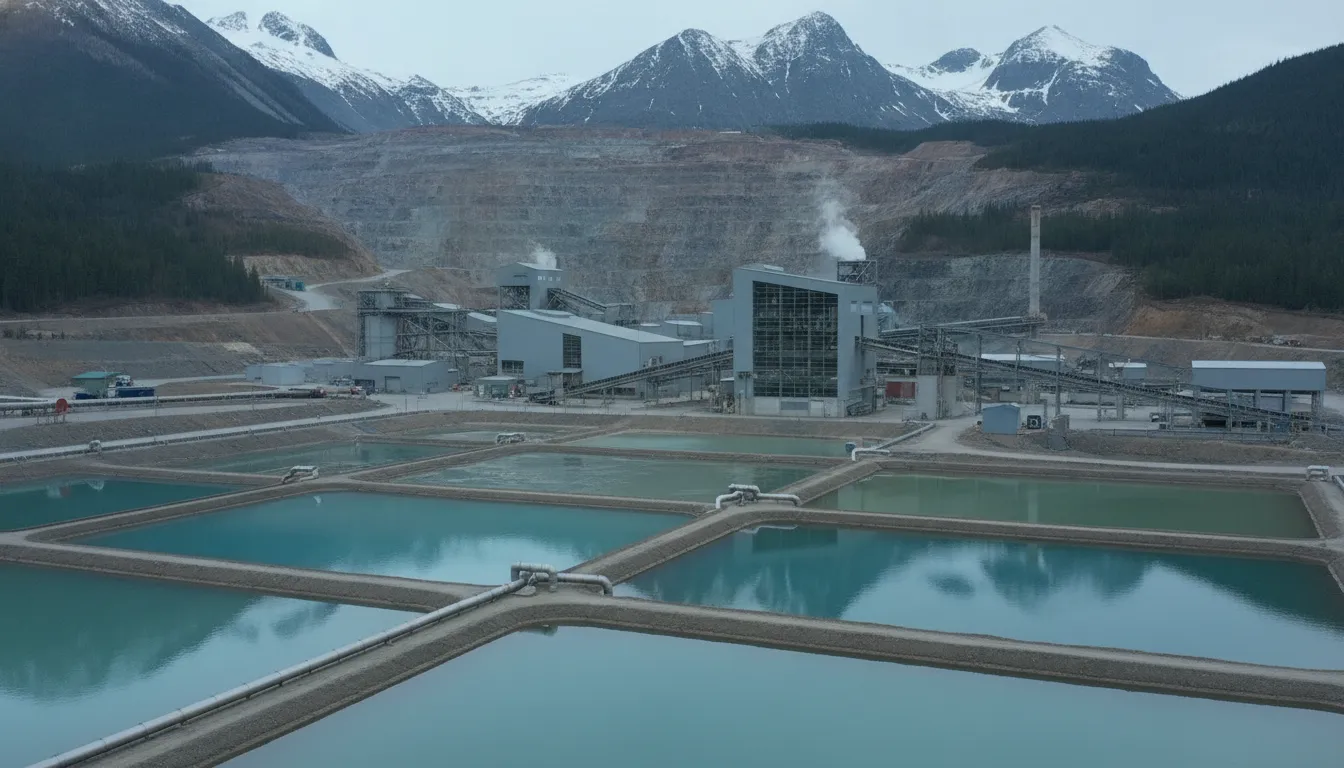
Aqua Global works with plants where water quality directly affects production: textile mills, mining and ore-processing operations, food producers, power and heating facilities, greenhouse operations and hotel complexes. The problems differ, but the structure of the work is the same — understand the water first, then select reagent and scheme, then keep supply regular.
The range is built around actual treatment problems rather than around a catalogue. Coagulants and flocculants cover clarification and solids removal, disinfection reagents cover microbiological control, pH regulators set the working window for the whole scheme, and anti-corrosion reagents with antiscalants protect the equipment. To that we add filter media and equipment, so a scheme can be assembled as a whole rather than in pieces from different suppliers.
How the work usually starts
Water analysis
Everything begins with what actually arrives at the site and what leaves it. A sample taken at peak load rather than at a convenient moment, and taken per department rather than from the common sewer — those are the two conditions without which any recommendation is approximate.
Laboratory selection
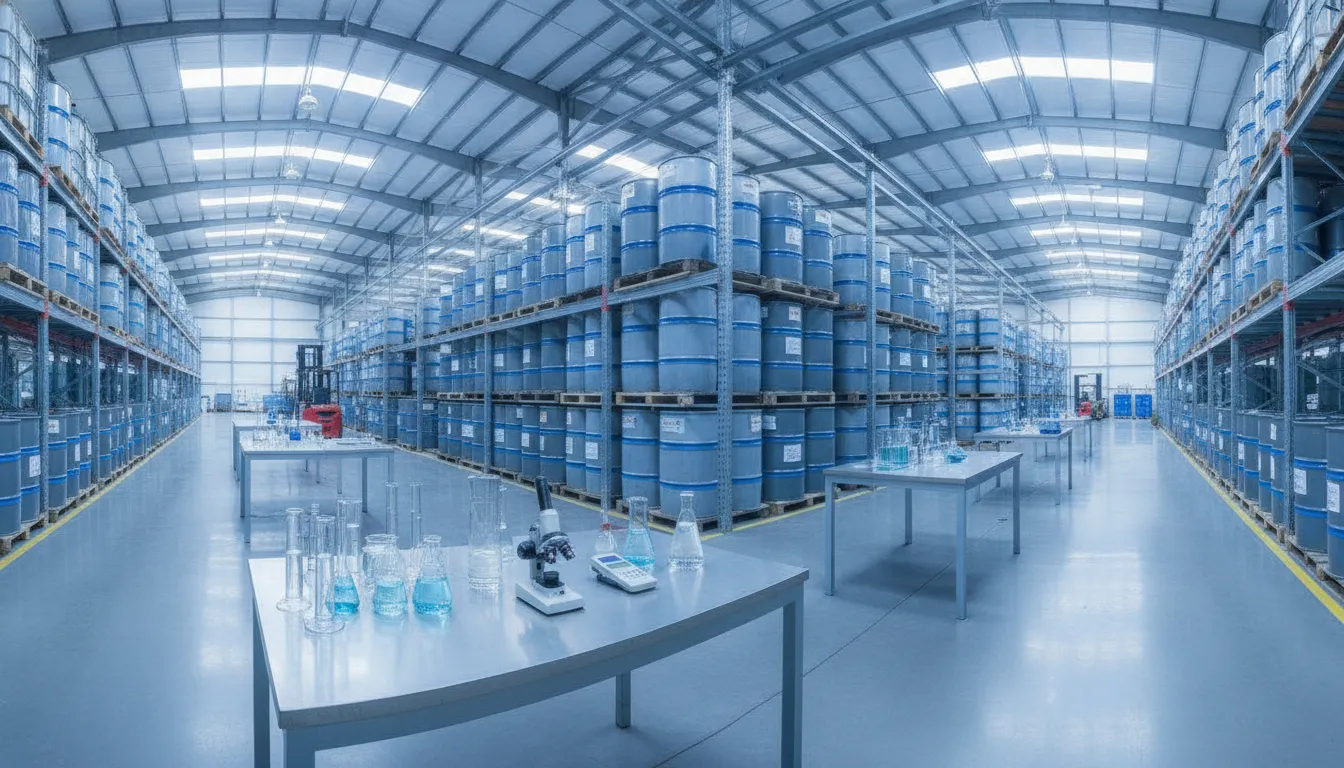
The reagent is chosen by testing on your water, not from a manufacturer's table. We run a jar test, establish the working dose and the resulting sludge volume, and check behaviour across pH values. It frequently turns out that correcting pH achieves more than switching reagent.
Cost per cubic metre
The result is converted into cost per cubic metre treated — the only figure on which options compare correctly. A reagent with a higher price per kilogram but half the working dose wins in operation. Sludge volume goes into the calculation too, because it drives dewatering and disposal cost.
Supply and support
Shipments go from Tashkent stock to every region of Uzbekistan. The delivery schedule is calculated from actual consumption rather than from what is left in the store, so supply stops being an emergency. Doses are revisited when the season or the production programme changes — before the numbers breach the limit, not after.
Sector problems differ more than they appear to
In textile, effluent colour and stable inlet hardness are critical: unstable water means unstable shade batch to batch. In mining, volume, fine mineral suspension and metal precipitation under controlled pH come to the fore. In food production, safety and documentation requirements are added. In power and heating the problem shifts to protecting heat-exchange equipment, where scale eats heat transfer gradually and invisibly. The full list is in industry solutions.
Why plants change supplier
The reason is rarely the reagent price. Far more often it is that the scheme was set once at commissioning and has run on inertia since, while consumption climbs and treated-water quality becomes unstable.
- Reagent consumption rises at unchanged load and nobody looked for the cause.
- Any deviation is met by increasing the dose — instead of checking the injection point and the mixing regime.
- Sludge volume grows faster than effluent volume, and the cost moves into dewatering and disposal.
- Deliveries arrive as emergencies, because the requirement is calculated from stock left rather than from consumption.
- A new reagent batch changes concentration while the dose setting stays where it was.
Each of these is solved without replacing equipment — by revising the reagent scheme and the dosing regime. More in chemical consulting.
What we do beyond supply
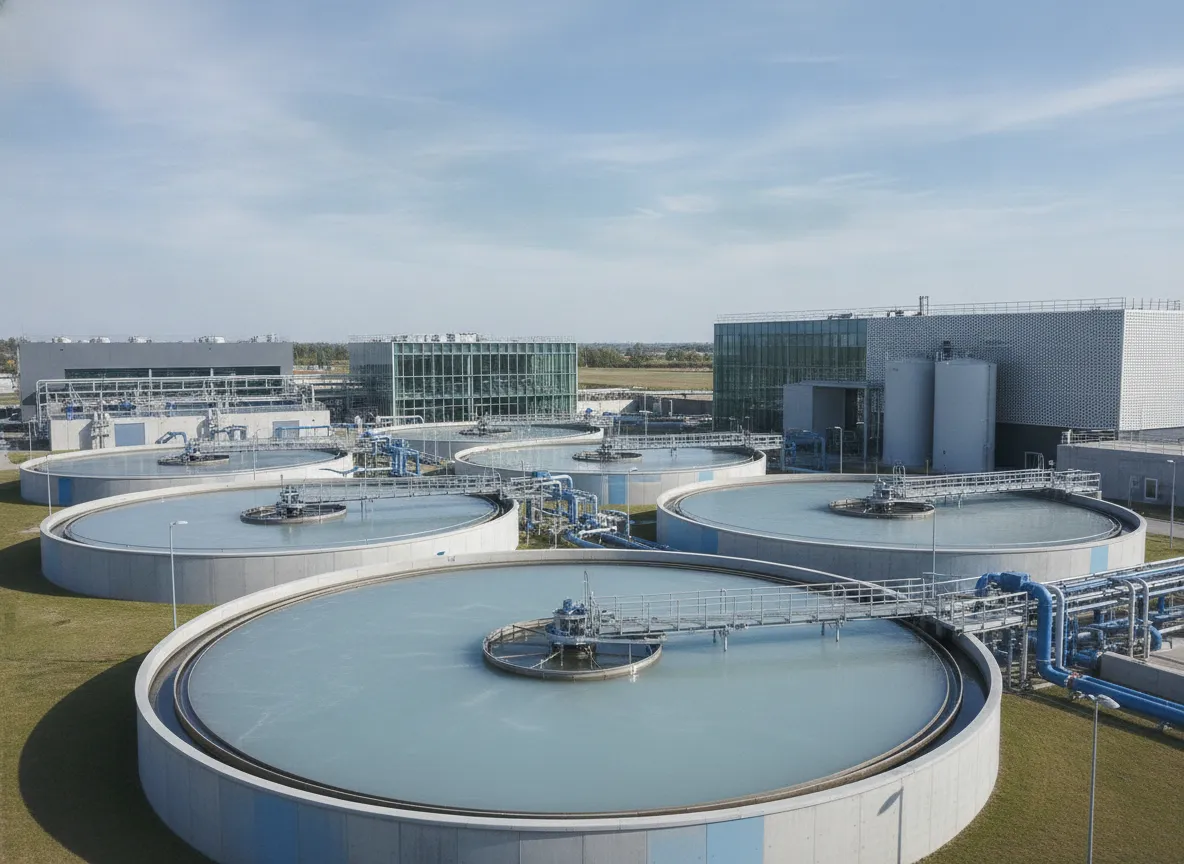
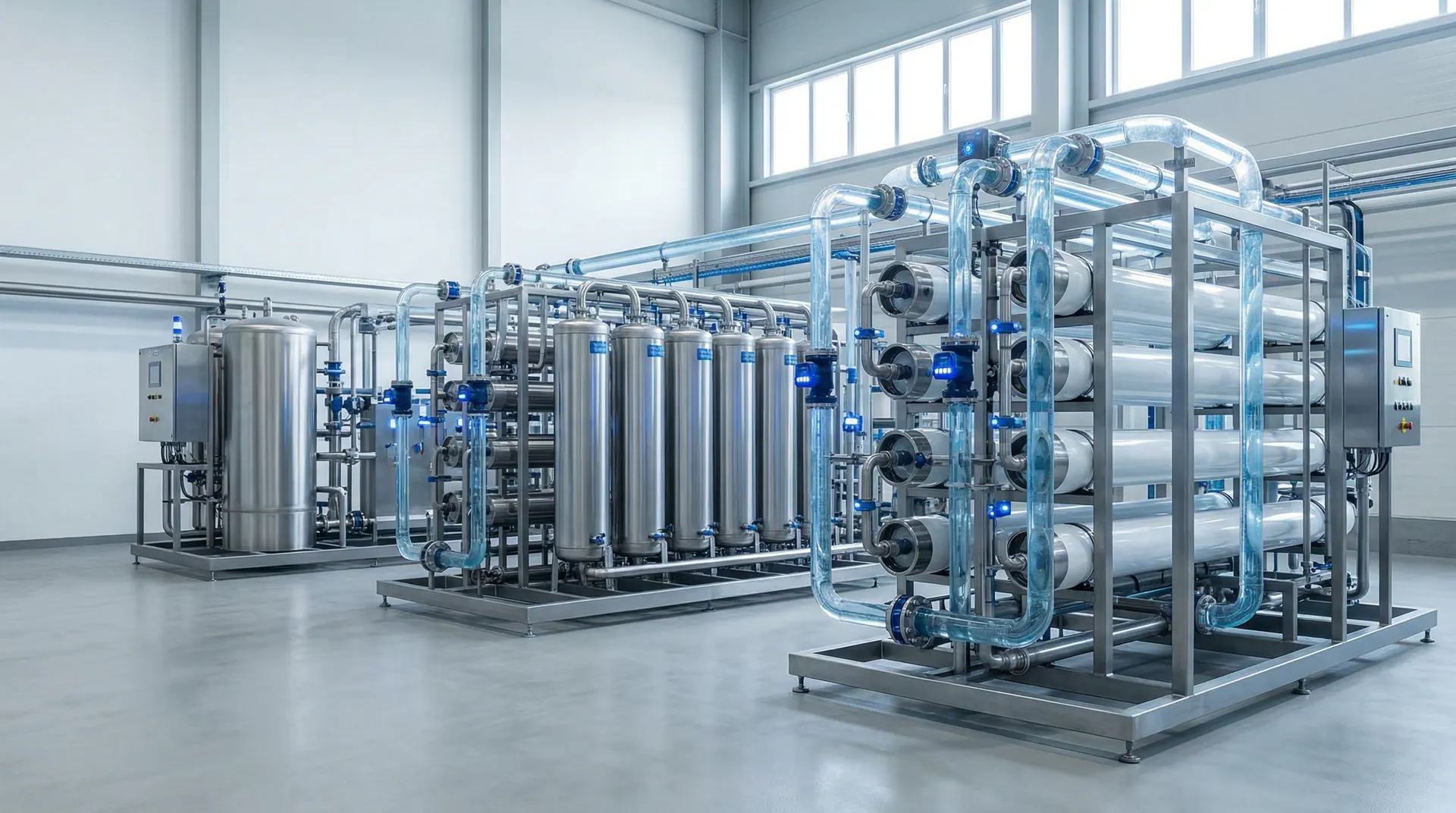
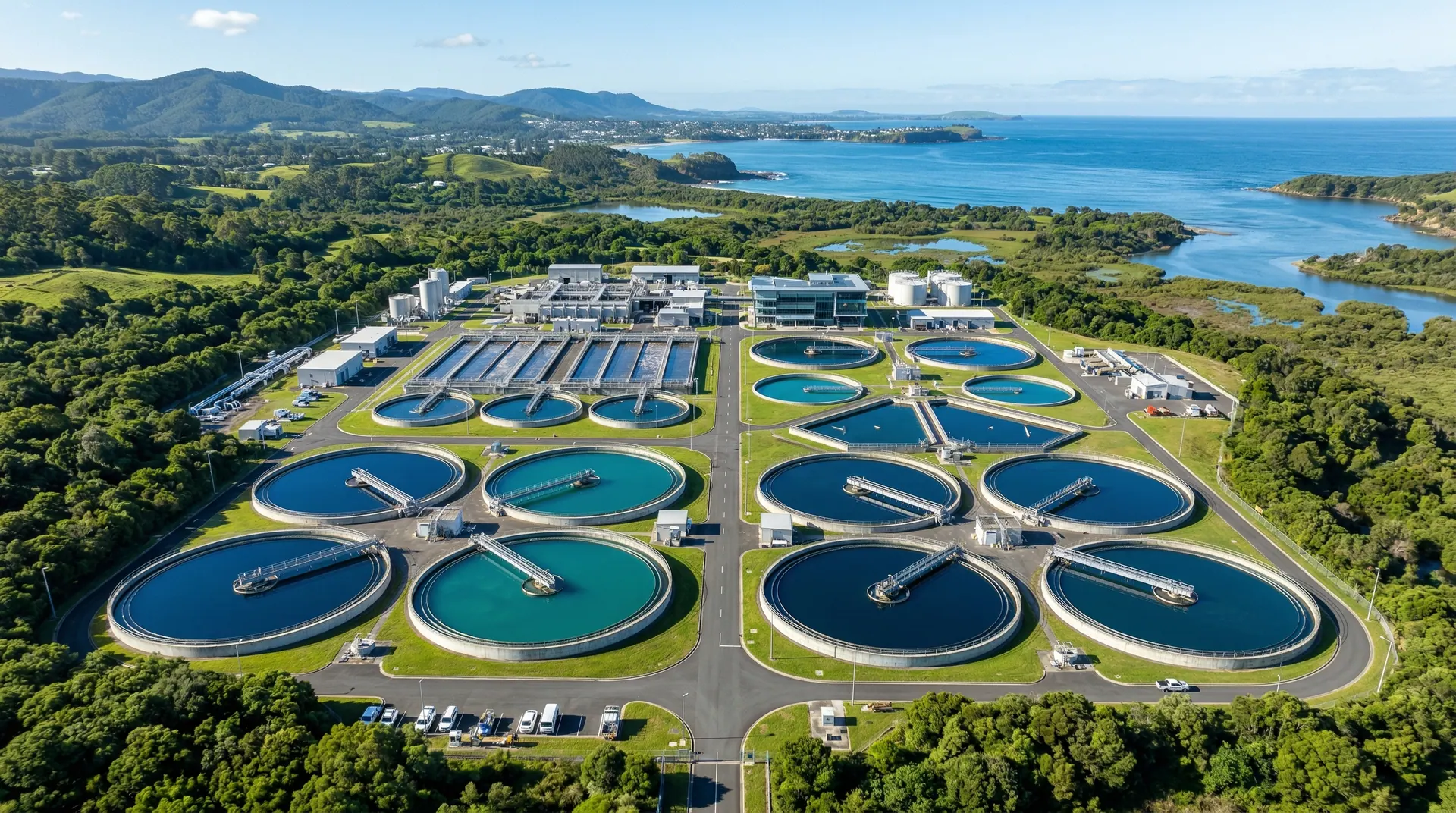
Supplying reagents is only part of the work. Water treatment covers scheme selection for the incoming water: mechanical filtration, iron removal, softening, disinfection and the dosing package. Wastewater treatment is built from the discharge point and the list of monitored parameters that applies to it. A separate strand is working with existing treatment plants, where the task is not to build something new but to make the running plant work better.
Technical material on specific problems is in the blog: coagulant selection, reverse osmosis operation, cooling tower regime, boiler water treatment, discharge requirements and water reuse.
How to start the conversation
For an initial assessment we need a water or effluent analysis, the daily flow, and an understanding of where the treated water goes or where the discharge point is. If there is no analysis, we start by sampling. We respond within a day. Write through the contact form.