
Supplied as solid prills/granules or in solution, urea is used as a nutrient supplement to correct the carbon:nitrogen:phosphorus (C:N:P) balance in biological treatment plants — particularly supporting microbial growth in high-COD, low-nitrogen wastewater from textile and food industries. It also serves as a reducing agent for flue-gas NOx reduction in SNCR/SCR systems at power plants and industrial boilers, and as a base nitrogen source in agricultural and technical processes.
Key benefits
Applications
Products / Specifications
Supply formats
- 25-50 kg bags and big bags (prills/granules).
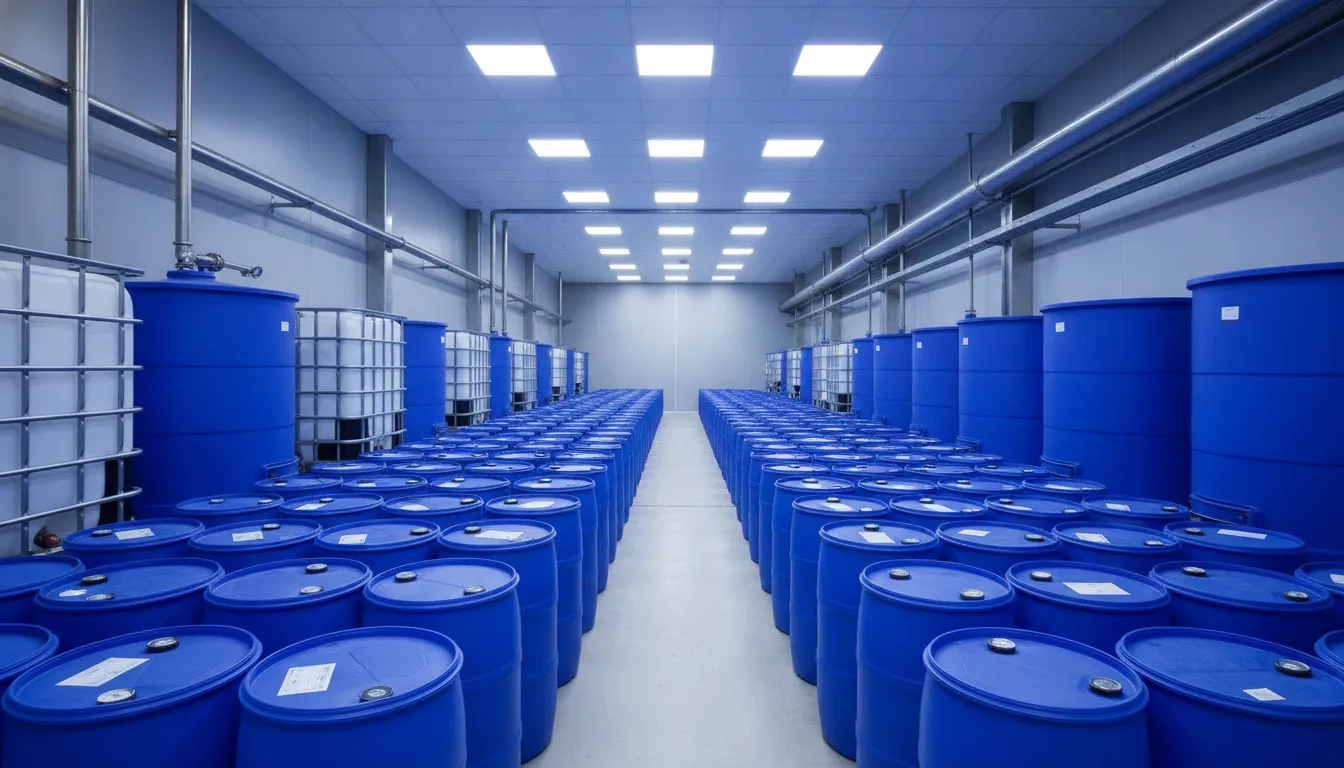
- IBC tank solution supply (DEF/AUS32-type).
- Palletized and tanker shipment options.
What is urea (carbamide)? Its role in biological treatment and SNCR
Urea (carbamide, CO(NH2)2) is a solid compound with a high nitrogen content (~46%) that dissolves readily in water. Its most important role in water and wastewater treatment is supporting biological treatment in wastewater with an unbalanced carbon:nitrogen:phosphorus (C:N:P) ratio — particularly in textile, food, and some chemical industry wastewater where carbon (COD) is high but nitrogen is low, which limits microbial growth and reduces treatment efficiency.
Urea is also used in power plants and industrial boilers within SNCR (Selective Non-Catalytic Reduction) and SCR systems to reduce nitrogen oxides (NOx) in flue gas — a urea-water solution (similar to DEF/AUS32) is injected into the flue gas stream, converting NOx into harmless nitrogen and water. It also serves as a base nitrogen source in agricultural and general industrial processes.
How is the C:N:P balance calculated? Dosing and application
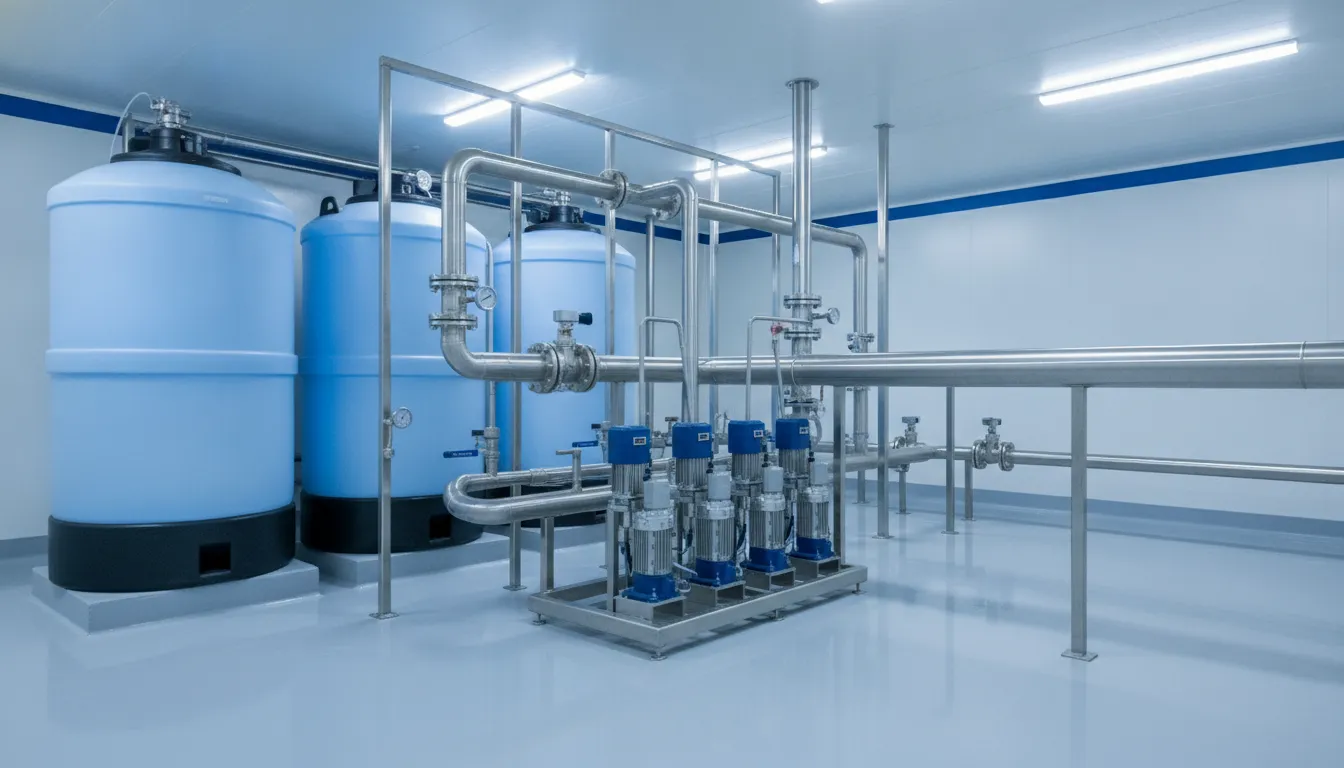
In activated sludge systems, the typical target C:N:P ratio for healthy microbial growth is around 100:5:1. If the wastewater's existing nitrogen level falls below this target, the required urea quantity is calculated through laboratory analysis and dosed continuously or intermittently into the aeration basin. Insufficient nitrogen can cause bulking sludge, poor COD removal efficiency, and settling problems.
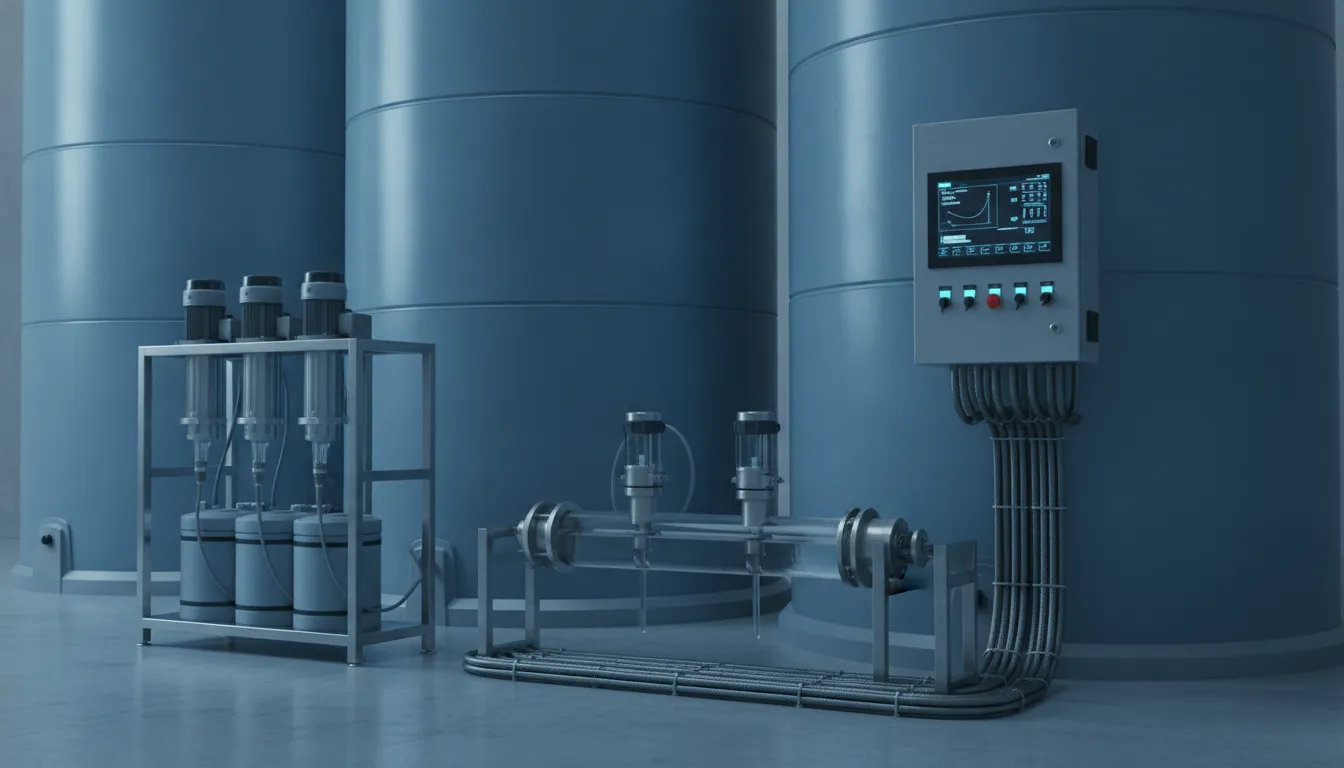
In SNCR/SCR applications, urea solution concentration, injection temperature, and nozzle design directly affect NOx conversion efficiency; injection at the wrong temperature can cause ammonia slip. Aqua Global provides formulation and dosing support for both applications.
Urea supply — carbamide/mochevina in Uzbekistan
Aqua Global supplies prilled and granular urea in 25-50 kg bags and big bags, and urea-water solution in IBC tanks, to wastewater treatment plants, power plants, and industrial facilities across Uzbekistan. We provide technical support from C:N:P analysis through dosing calculation.
Frequently Asked Questions
Why is urea used in biological treatment?
It supplies the nitrogen microorganisms need to grow in high-COD, low-nitrogen wastewater. Nitrogen deficiency impairs sludge settleability and reduces treatment efficiency; urea dosing corrects this balance according to the C:N:P ratio.
How is urea used in SNCR and SCR?
Urea-water solution is injected into the flue gas at high temperature; heat converts it to ammonia, which reacts with NOx to break it down into harmless nitrogen and water. The correct temperature window and dosage control both NOx conversion and ammonia slip.
In what forms is urea supplied?
We supply prilled and granular (solid, ~46% nitrogen) forms as well as aqueous solution. The solid form is economical for storage and transport; the solution is ready for direct dosing systems.
What information should I share when ordering urea?
Let us know your intended use (nitrogen supplementation for biological treatment, SNCR/SCR NOx reduction, or agricultural/technical use), preferred form (prilled/granular or solution), and approximate consumption volume — we'll recommend the right purity grade and packaging and prepare a quote quickly.