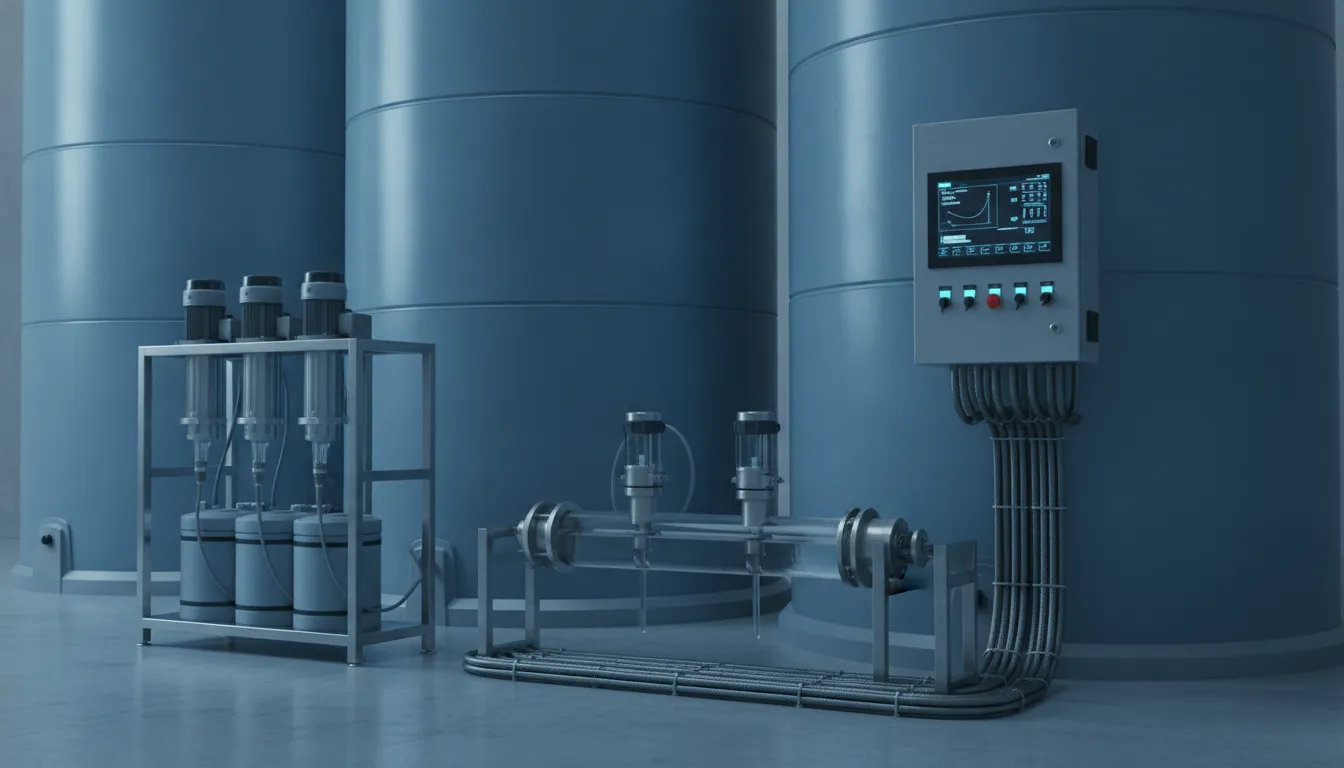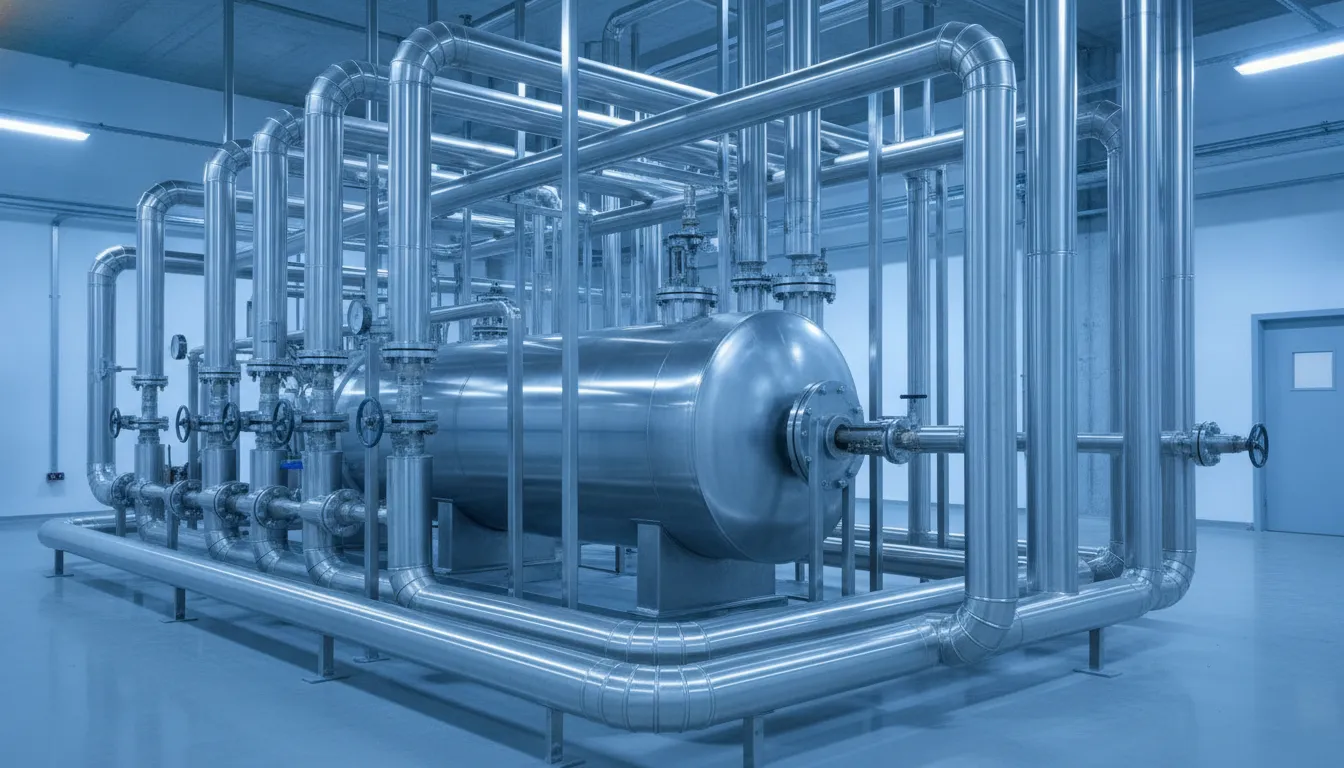
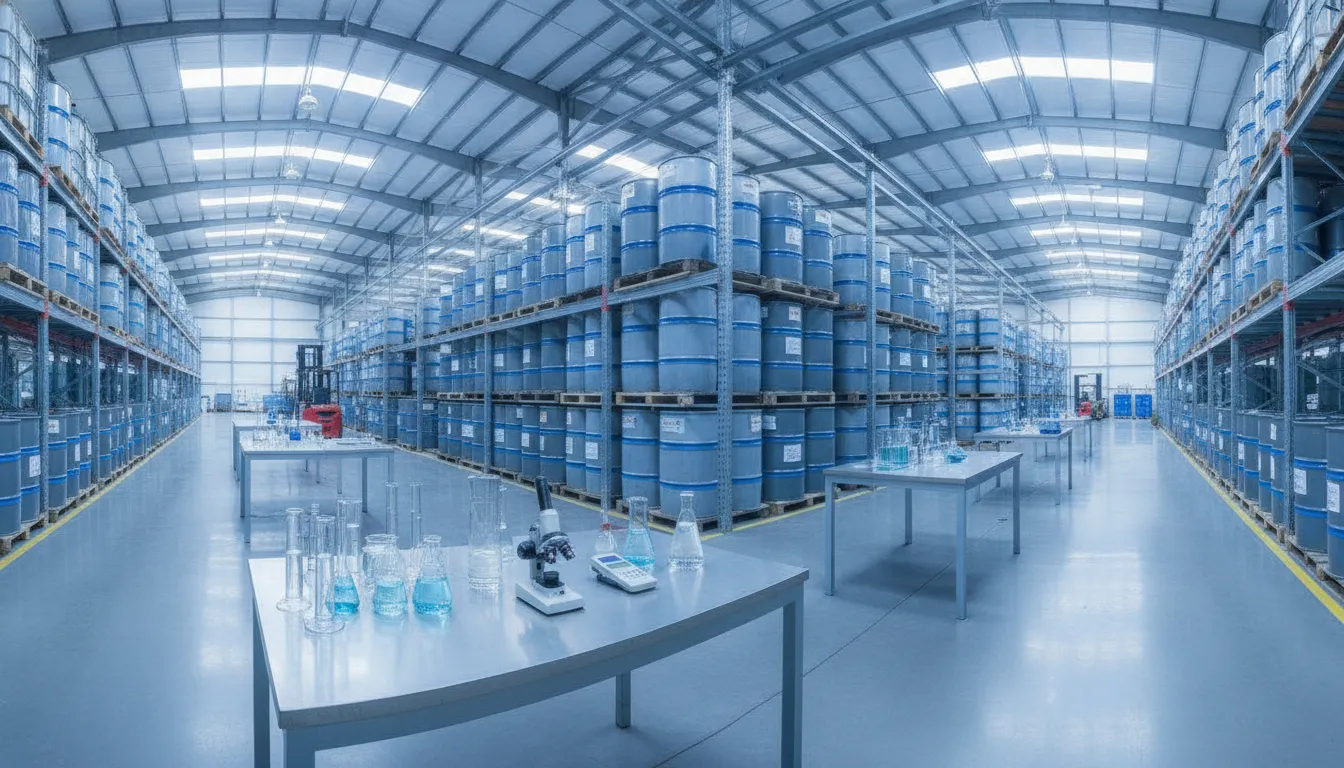
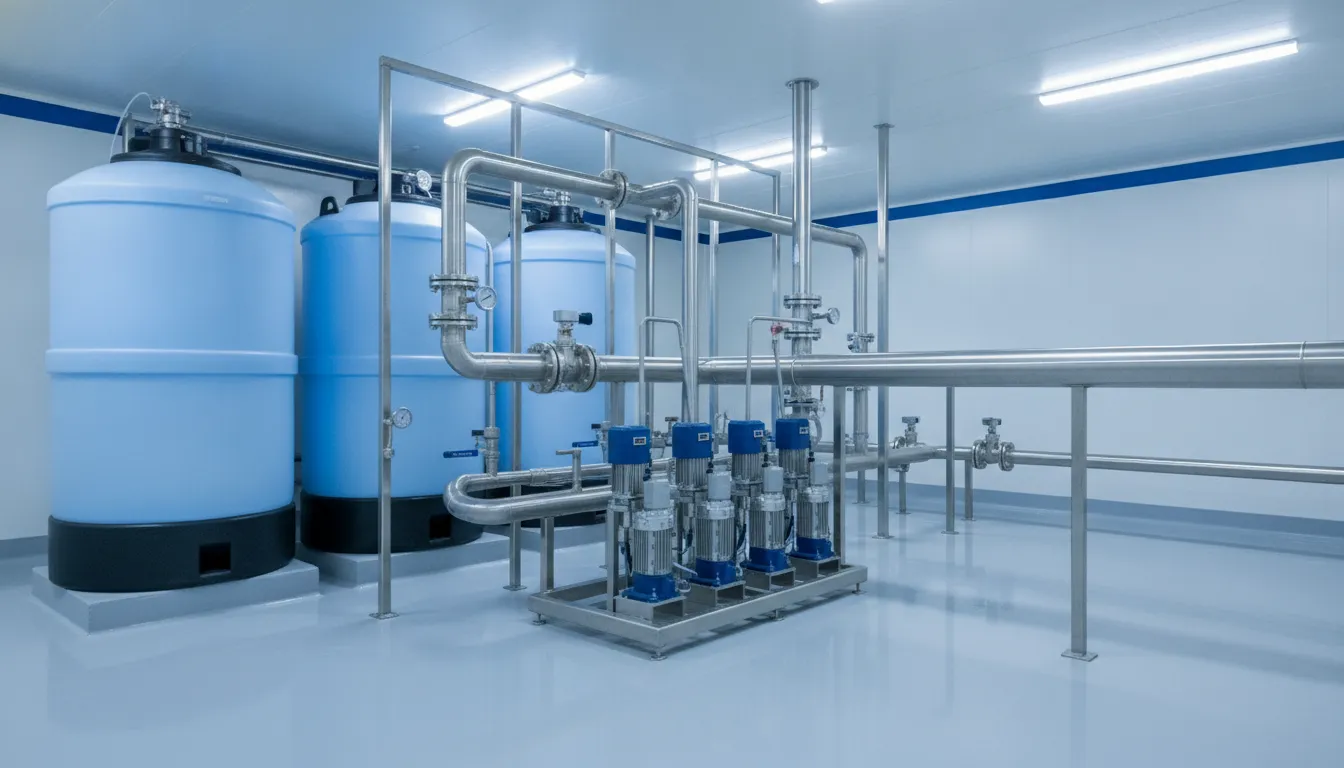
We supply disinfection products for facilities that need reliable microbial control across storage tanks, process water loops, production lines, and controlled-use environments. The portfolio includes established chlorine-based solutions as well as alternative chemistries for processes that demand specific safety or compatibility conditions.
Key benefits
Applications
Products / Specifications
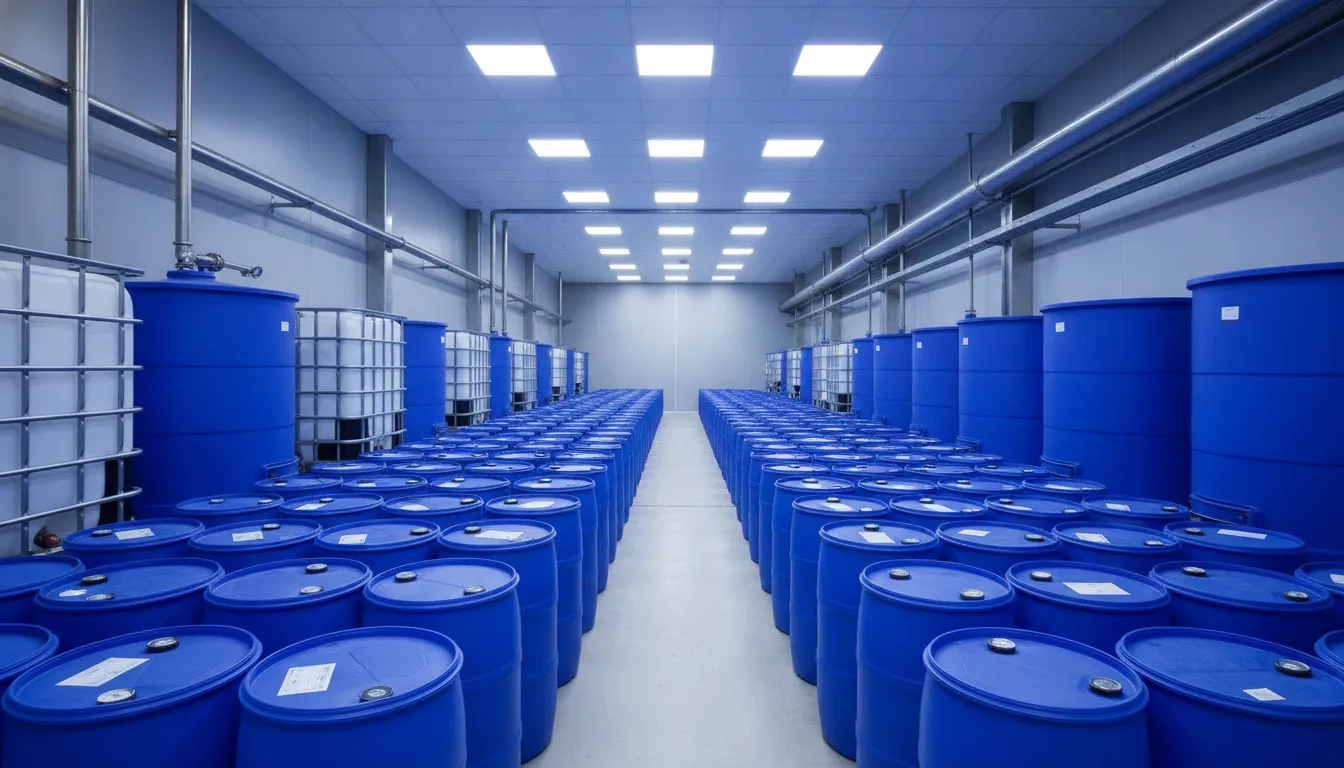
Supply formats
- Supply formats aligned with site consumption rates.
- Options for routine operational dosing or emergency treatment stock.
- Suitable for centralized plants and smaller localized systems.
- Documentation-ready for institutional procurement processes.
Why is water disinfection necessary? Which chemicals are used?
Disinfection inactivates bacteria, viruses, and other pathogens in drinking water, process water, pools, and wastewater discharge. No matter how good filtration is, microbiological safety is only achieved with a proper disinfection program — and it is a legal requirement in many food, healthcare, and municipal applications.
The main disinfectants in our portfolio: sodium hypochlorite (liquid chlorine — the most common and economical option), calcium hypochlorite, chlorine dioxide, and hydrogen peroxide. The sodium hypochlorite product page includes dosing calculations, storage rules, and material compatibility guidance.
How to choose a disinfection method
Three questions drive the choice: is residual protection needed (chlorine-based products are essential for networks and tanks), what is the water's organic load (it sets chlorine demand), and is dosing automatic or manual. After chlorination, neutralizing residual chlorine with sodium bisulfite at the discharge point is also mandatory for most plants — we offer both products as one program.
Aqua Global ships disinfectants from fresh production across Uzbekistan and provides technical support for dosing pump selection, residual-based dosage calculation, and shock disinfection procedures.
Disinfectant pricing and nationwide delivery in Uzbekistan
Disinfectant cost depends on active chlorine content (typically 10-15% for sodium hypochlorite) and consumption volume; bulk tanker supply for large facilities significantly lowers the unit price. Liquid chlorine has a limited shelf life — active chlorine content declines over time depending on temperature and light exposure — so Aqua Global plans production against demand to minimize potency loss.
We ship regularly from our Tashkent warehouse to Samarkand, Bukhara, Namangan, Fergana, and other regions; we can set up contracted monthly supply programs for municipal drinking water utilities, food factories, hotels, and pool operators, including dosing pump and storage tank recommendations.
Frequently Asked Questions
What is the most common chemical for drinking water disinfection?
Sodium hypochlorite (liquid chlorine). It is economical, easy to apply with dosing pumps, and leaves a chlorine residual that keeps protecting the network. The typical target is 0.2-0.5 ppm free chlorine at the network end.
What is residual chlorine and why does it matter?
It is the active chlorine remaining in water after disinfection. It prevents microbiological regrowth in tanks and pipes; most drinking water regulations require a specific residual level.
When is shock disinfection performed?
When commissioning new lines, after tank cleaning, or when microbiological contamination is detected: the system receives 50-100 ppm chlorine, is held, then flushed. Routine operation uses continuous low-dose chlorination instead.
What is the shelf life of sodium hypochlorite and how should it be stored?
Active chlorine content declines over time; for effective use, it should be stored in a cool (below 25°C), dark, well-ventilated area and used within 2-3 months. Keep it away from direct sunlight, heat sources, and contact with metal surfaces. We plan fresh-production shipments based on your order timing.