

Ferric chloride is one of the most widely used iron-based coagulants in water and wastewater treatment. It forms fast-settling, dense flocs across a wide pH range and delivers high removal rates for suspended solids, color, phosphate, and heavy metals. Supplied as an approximately 40% liquid solution, it integrates easily with existing dosing systems.
Key benefits
Applications
Products / Specifications
Supply formats
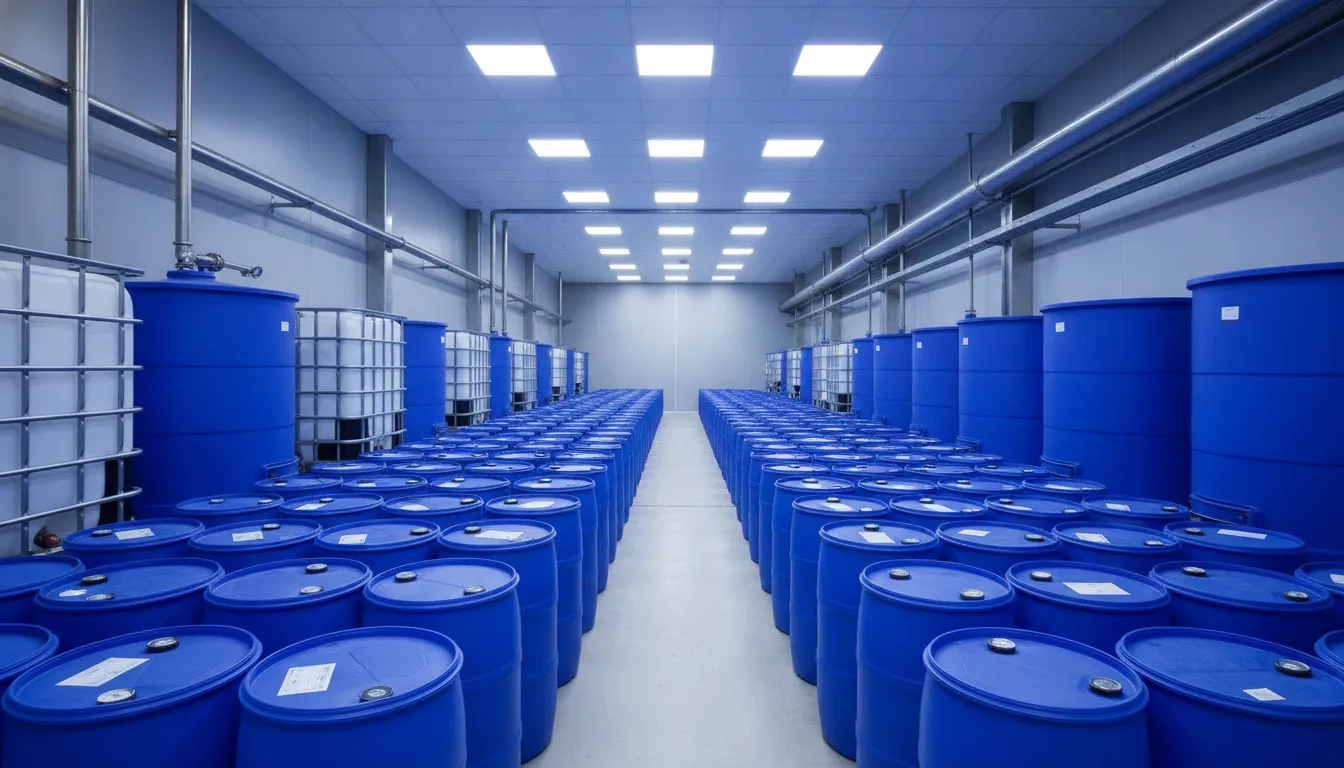
- Liquid supply in IBC tanks (1000 L) and drums.
- Bulk tanker delivery for high-volume consumption.
- Contract supply programs for regular usage.
What is ferric chloride and how does it work in water treatment?
Ferric chloride (iron(III) chloride, FeCl3) is the most widely used iron-based inorganic coagulant in the water and wastewater treatment industry. When dosed into water it hydrolyzes rapidly, forming positively charged iron hydroxide complexes that neutralize negatively charged suspended solids, colloidal particles, and dissolved organic pollutants. The result is dense, fast-settling flocs and a visibly clarified effluent.
One of ferric chloride's strongest applications is phosphate removal: iron ions bind phosphate as insoluble iron phosphate, bringing effluent below discharge limits. It is also highly effective for controlling hydrogen sulfide (H2S) odor, conditioning sludge before dewatering, and precipitating heavy metals. Compared with aluminium-based coagulants it works across a wider pH range (roughly 4-11) and keeps its performance in cold water, making it a reliable wastewater treatment chemical in every season.
Ferric chloride applications and dosing guide
Ferric chloride is used in industrial wastewater treatment plants, municipal sewage treatment, textile and dyehouse effluents, heavy metal precipitation in electroplating and galvanizing lines, slaughterhouse and food industry wastewater, and H2S binding in biogas plants. In drinking water treatment it is a proven coagulant for turbidity and organic matter removal.
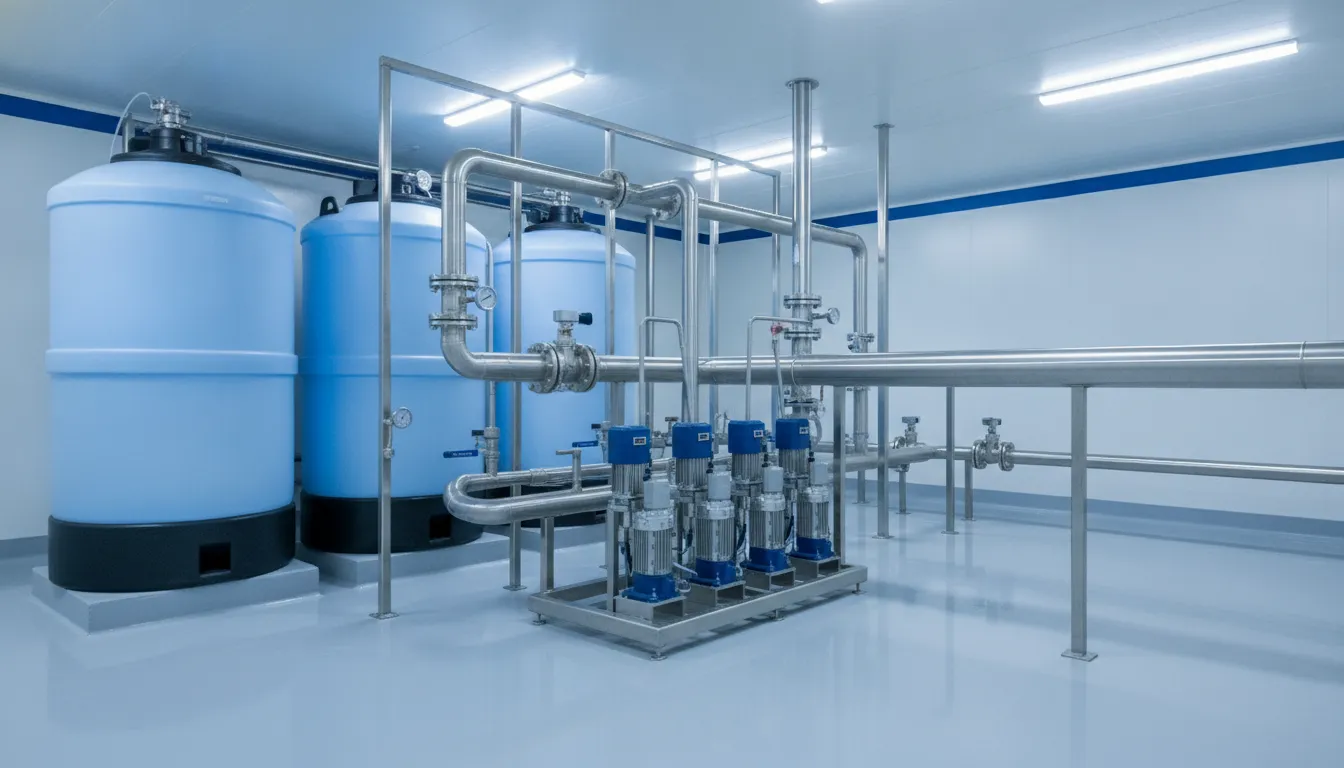
Dosage should always be determined by jar testing; for a 40% FeCl3 solution, typical applications fall in the 50-300 g/m3 range, and for phosphate removal the dose is calculated stoichiometrically from the influent phosphate load. For best results, dose into the rapid-mix zone and follow with a flocculant such as anionic polyacrylamide. The product is corrosive: dosing pumps, tanks, and piping must use PE, PP, PVC, or rubber-lined materials.
Ferric chloride supplier in Uzbekistan: Aqua Global
Aqua Global supplies ferric chloride from Tashkent across Uzbekistan and Central Asia. We ship from stock in IBC tanks (1000 L), drums, and bulk tankers, and we back every delivery with jar testing support, dosage optimization, and material compatibility consulting. Contact us through our contact page to request a ferric chloride price quote, order a sample, or set up a regular supply contract.
Frequently Asked Questions
What is ferric chloride used for?
Ferric chloride (FeCl3) is used as a coagulant in wastewater treatment for removing suspended solids, turbidity, color, and phosphate, as well as for sludge conditioning, H2S odor control, and heavy metal precipitation. It is also applied in drinking water clarification.
How is the ferric chloride dosage determined?
The correct dosage is determined by jar testing on the plant's raw water or wastewater sample. Typical doses for the commercial solution are 50-300 g/m3; for phosphate removal the dose is calculated from the influent phosphate load. Aqua Global provides jar testing and dosage optimization support.
What is the difference between ferric chloride and PAC or aluminium sulfate?
Iron-based coagulants work over a wider pH range and are stronger in phosphate removal and sludge conditioning; aluminium-based coagulants (PAC, aluminium sulfate) are common in drinking water clarification. The choice should be made by comparing both products in a jar test.
How can I get a ferric chloride price quote?
Simply send us the quantity you need, your preferred packaging (IBC, drum, or tanker), and your delivery location through our contact form. Aqua Global responds the same day with the current ferric chloride price and delivery time.