Anionic polyacrylamide (APAM) bridges destabilized particles into large, durable flocs. Used together with coagulants such as ferric chloride, PAC, or aluminium sulfate, it significantly increases settling speed and treated-water clarity. It is widely preferred in mining, quarrying, chemical plants, and wastewater treatment facilities.
Key benefits
Applications
Products / Specifications
Supply formats
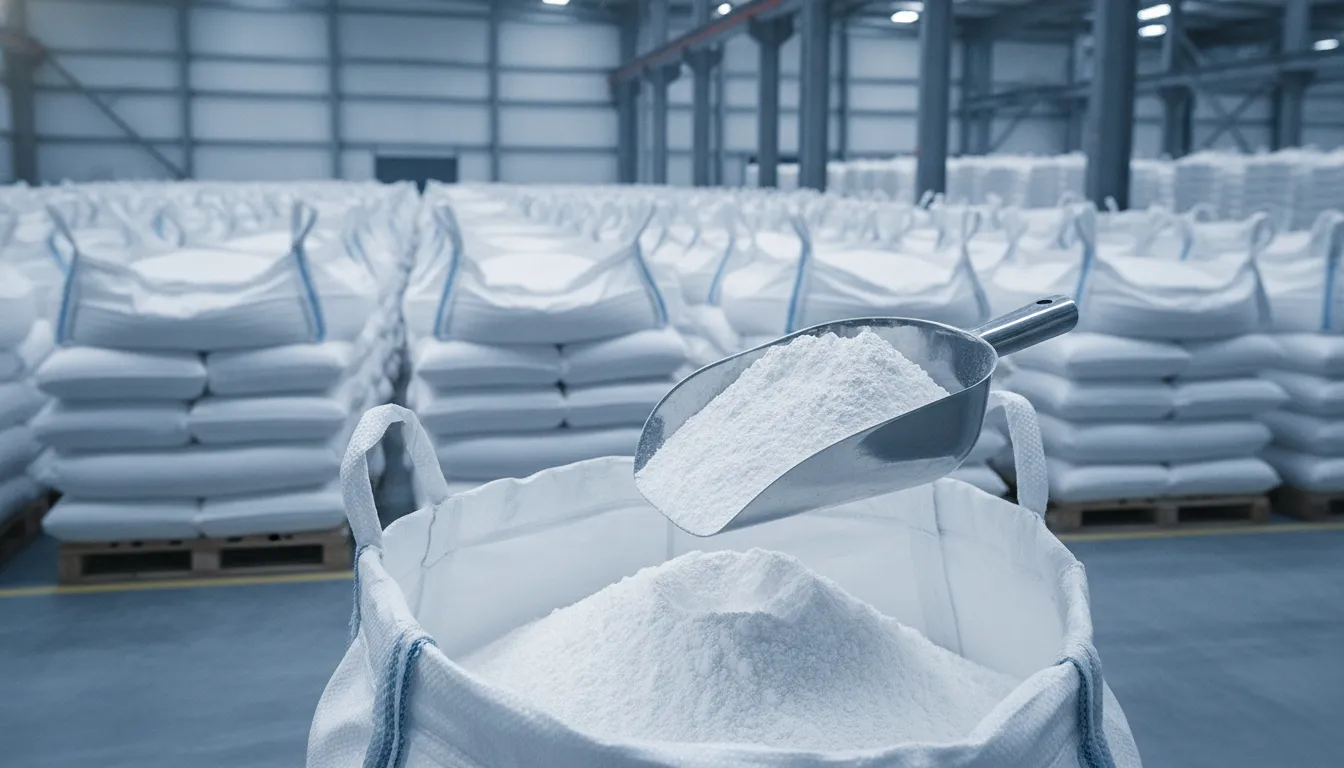
- 25 kg bags (powder) with palletized shipment.
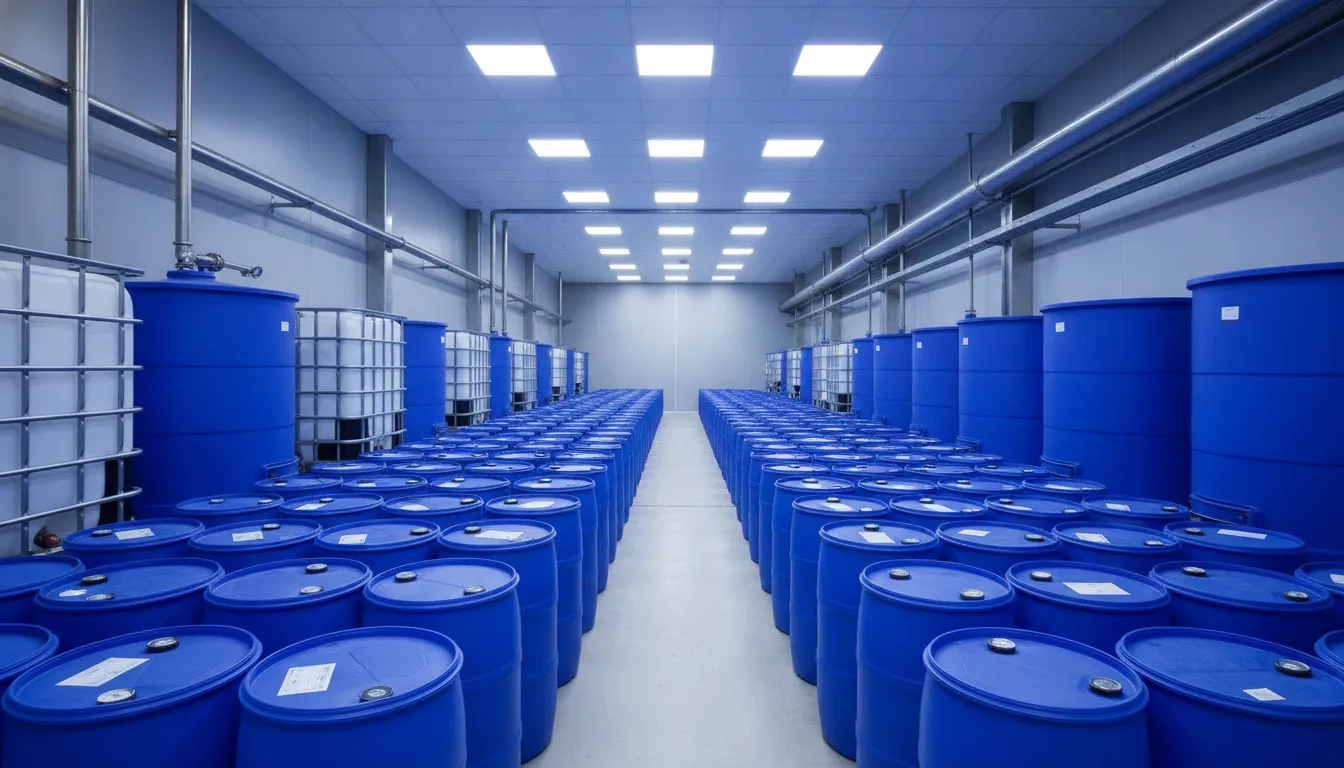
- Drums and IBC tanks for emulsion grades.
- Stock-planned supply for continuous consumption.
What is anionic polyacrylamide (APAM)? What does a flocculant do?
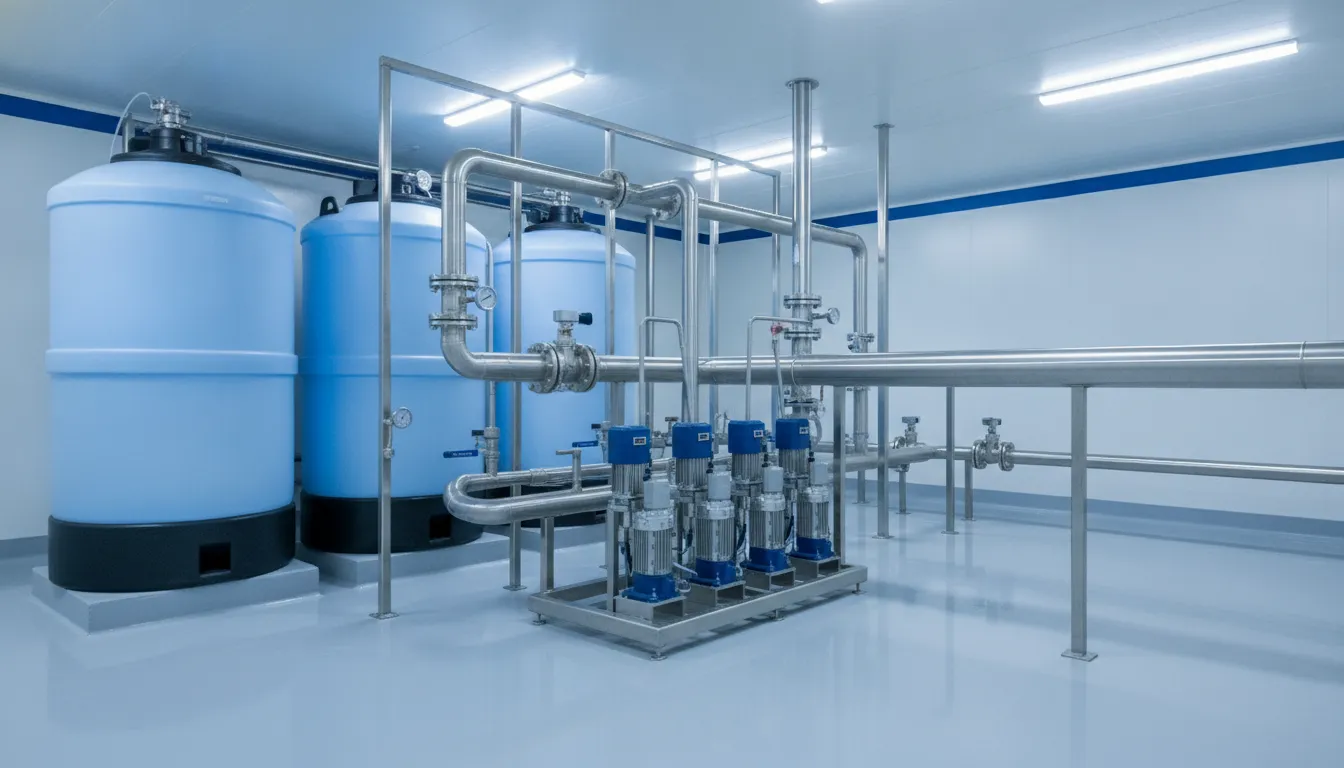
Anionic polyacrylamide (APAM) is a synthetic polymer flocculant produced from acrylamide and acrylic acid monomers, with molecular weights in the millions. Its job in water treatment is to bind fine particles that have been destabilized by a coagulant, bridging them along long polymer chains into large, heavy, durable flocs. Settling times drop to minutes and effluent clarity improves dramatically.
Because APAM carries a negative surface charge, it excels in inorganic and mineral-laden waters — clay, silt, sand, and ore particles. Dosed as the second step after coagulants such as ferric chloride, PAC, or aluminium sulfate, it can cut coagulant consumption by 20-30%. It is produced in powder and emulsion forms with a range of anionic charge densities and molecular weights.
Anionic polyacrylamide applications and solution make-up
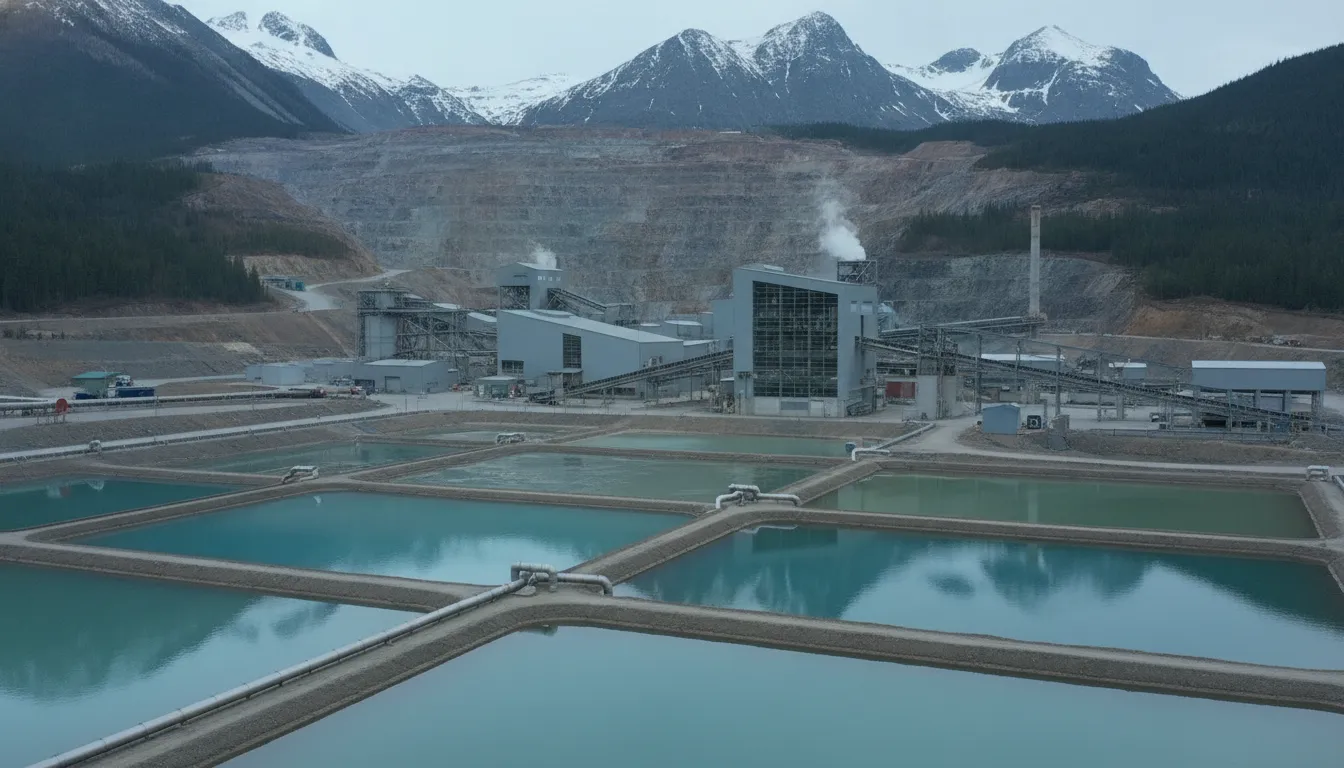
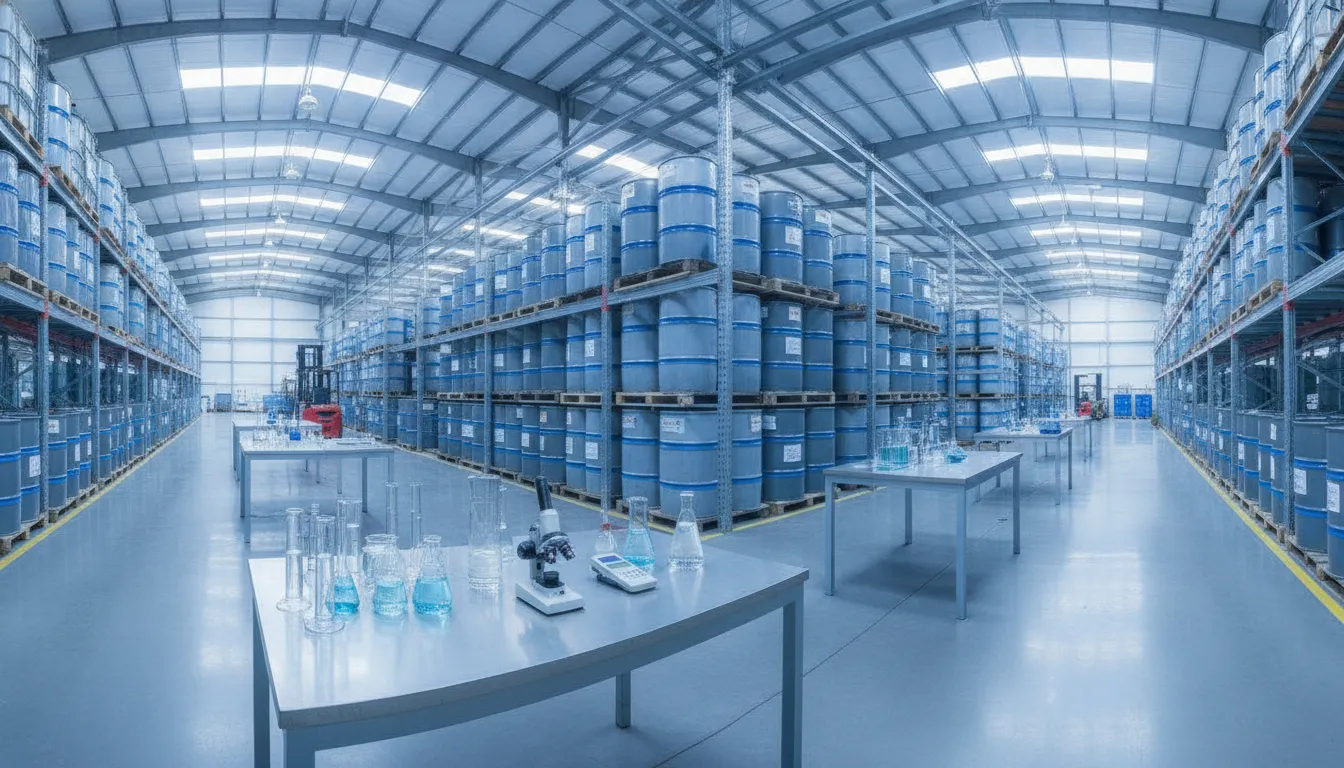
Key applications include: boosting thickener performance in mining and mineral processing plants, recovering wash water in quarries and aggregate plants, improving settling basins in industrial wastewater treatment, serving as a coagulant aid in drinking water treatment, and fiber retention in the paper industry. It is also used as a viscosity modifier in oilfield drilling muds.
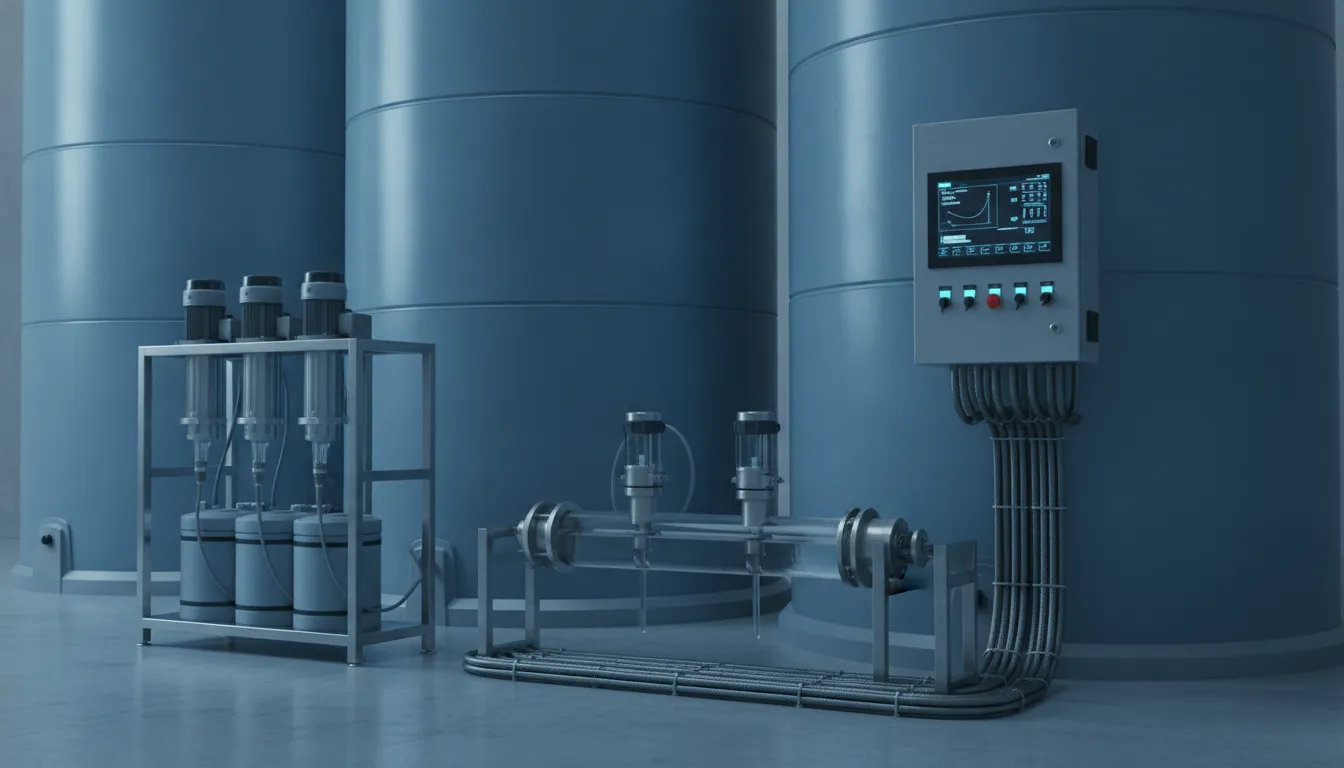
Powder APAM cannot be dosed directly; a stock solution of 0.1-0.5% must be prepared first. The polymer should be added slowly and dispersed into stirred water, then matured for 45-60 minutes. Prepared solution has a shelf life of 24-48 hours. Typical dosages are 0.5-5 g/m3 in wastewater and 0.5-3 kg per ton of dry solids in sludge applications. Aqua Global identifies the best charge density and molecular weight for your application through laboratory testing.
Anionic polyacrylamide supply and pricing — Aqua Global
Aqua Global supplies anionic polyacrylamide across Uzbekistan in 25 kg bags (powder) and drums/IBC (emulsion). For our mining, textile, paper, and treatment plant customers we deliver a complete flocculant program including product selection testing, make-up unit consulting, and dosage optimization. Contact us for an anionic polyacrylamide price quote and samples.
Frequently Asked Questions
What is the difference between anionic and cationic polyacrylamide?
Anionic polyacrylamide is negatively charged and used in mineral/inorganic waters (mining, quarry, clay-laden wastewater); cationic polyacrylamide is positively charged and preferred for dewatering organic sludges (municipal sludge, food wastewater). Choosing the wrong type can prevent floc formation entirely, so selection should be based on testing.
How is a polyacrylamide solution prepared?
The powder is sprinkled slowly into stirred water to make a 0.1-0.5% stock solution and matured for 45-60 minutes. Never dump the polymer in at once, or it will form lumps ('fish eyes'). The prepared solution should be used within 24-48 hours.
What is the typical anionic polyacrylamide dosage?
Typical dosages are 0.5-5 g/m3 for wastewater clarification and 0.5-3 kg per ton of dry solids for sludge thickening. The exact value is set by jar testing or field trials; overdosing raises cost and can actually weaken floc structure.
In which packaging is anionic polyacrylamide sold?
Powder grades come in 25 kg bags; emulsion grades in drums and 1000 L IBC tanks. Aqua Global offers fast delivery from stock within Uzbekistan and contract supply plans for regular consumption.