Foaming caused by surfactants and filamentous bacteria in activated sludge aeration basins can lead to overflow and efficiency loss; our defoamer knocks down this foam within seconds and delays its return. Silicone-based formulations deliver fast, strong knockdown, while silicone-free (polyether) formulations are preferred where compatibility with membranes and dyeing processes is required. Also used effectively in boiler feedwater, cooling towers, pulp stock, and textile dye baths.
Key benefits
Applications
Products / Specifications
Supply formats
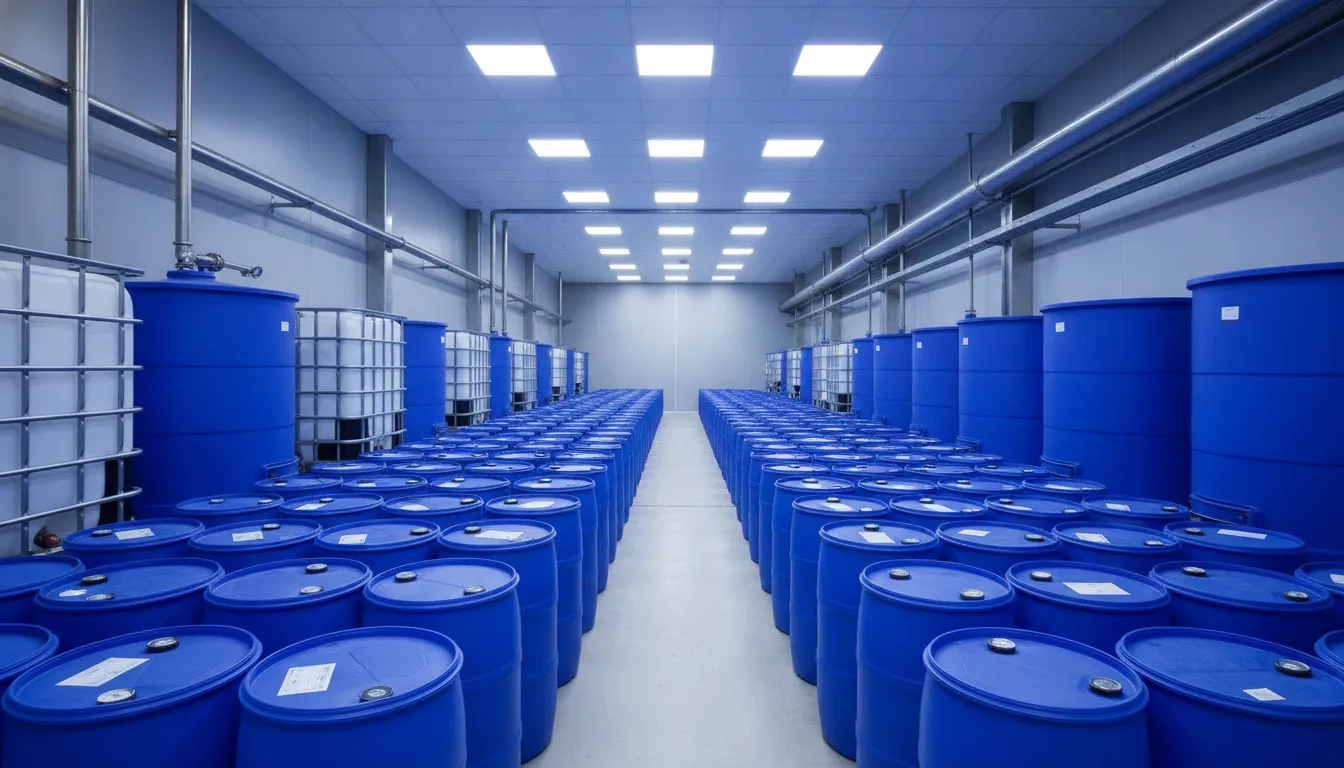
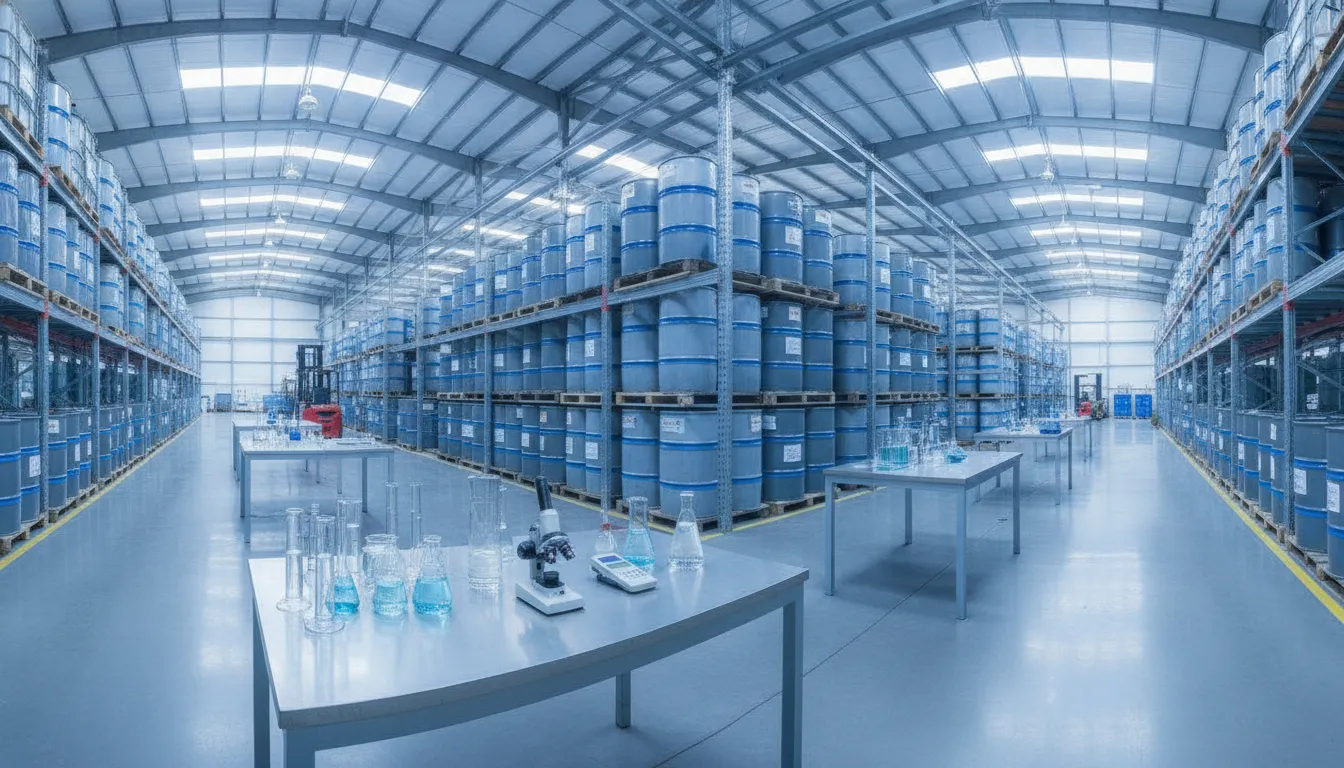
- 20-25 kg drum shipment.
- 200 kg barrels for bulk supply.
- 1000 L IBC tanks for industrial-scale delivery.
Why does foam form? The foaming problem at treatment plants
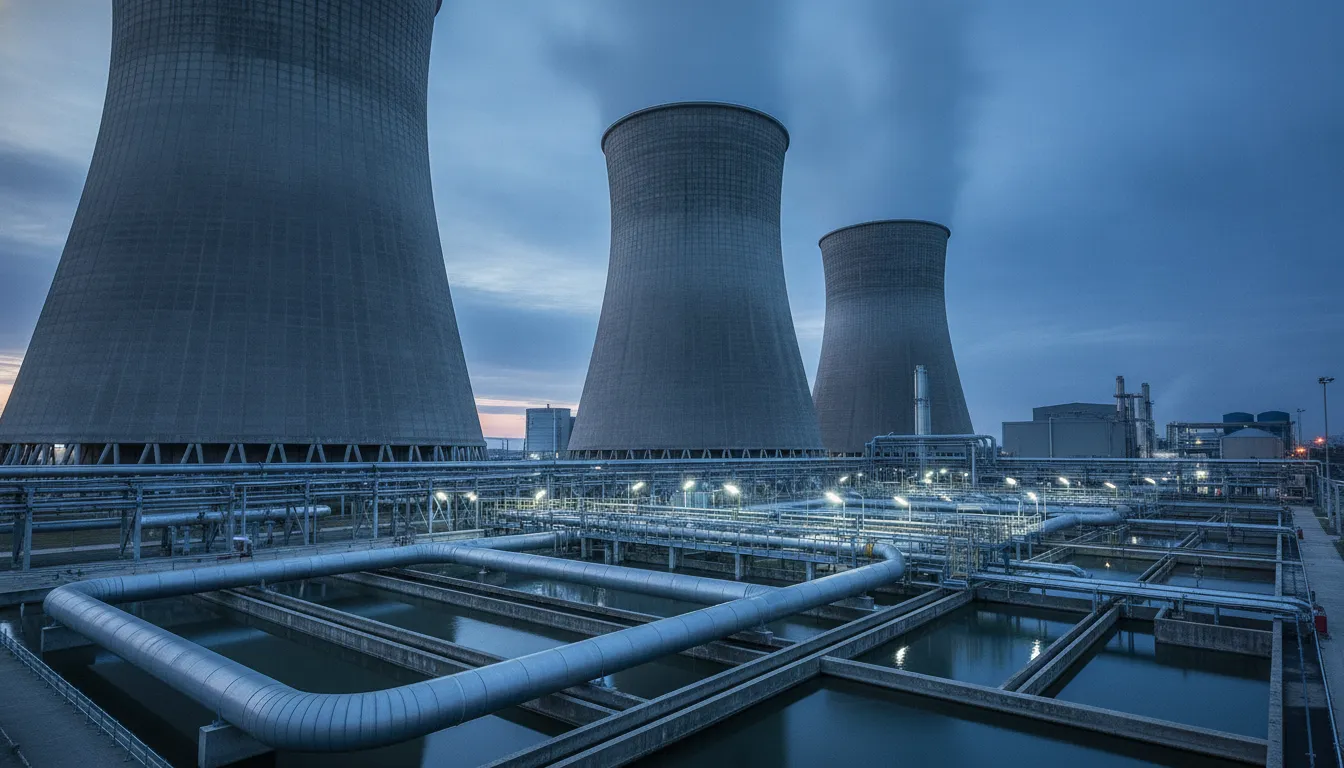
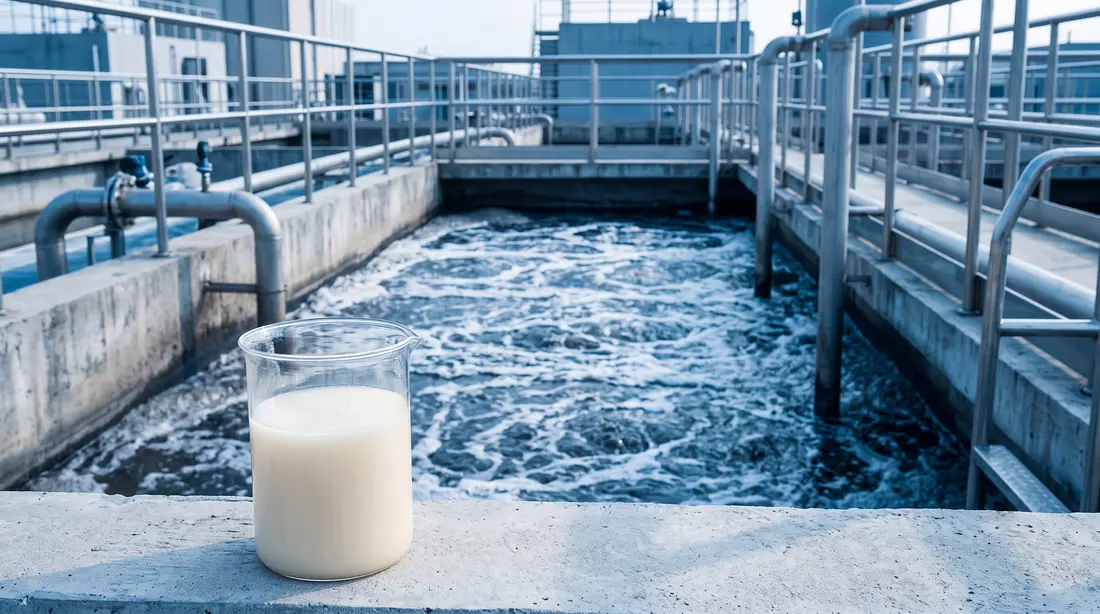
Foaming in activated sludge aeration basins has two main causes: physical foam from detergents and surfactants (usually seen in the first weeks of operation) and biological foam caused by excessive growth of filamentous bacteria such as Nocardia and Microthrix (a persistent, brown, sticky foam layer). Uncontrolled foam can overflow the basin, foul equipment, and disrupt oxygen transfer, reducing treatment efficiency.
Defoamer (antifoam) chemicals break the surface tension of foam bubbles, causing them to collapse quickly. Silicone-based products deliver strong, fast action at very low dosages, while silicone-free polyether-based products are preferred in processes sensitive to silicone contamination, such as membrane filtration or dyeing.
How to choose the right defoamer? Boilers, cooling towers, and textiles
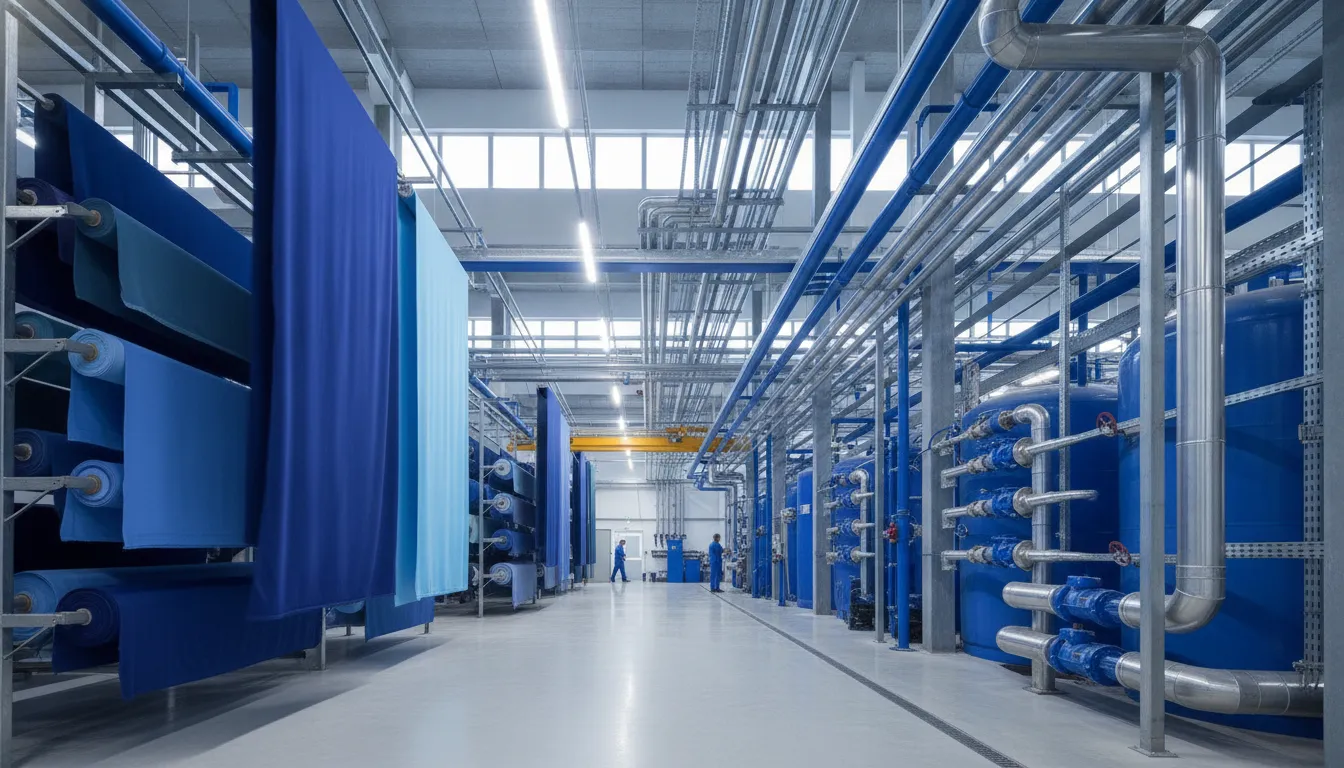
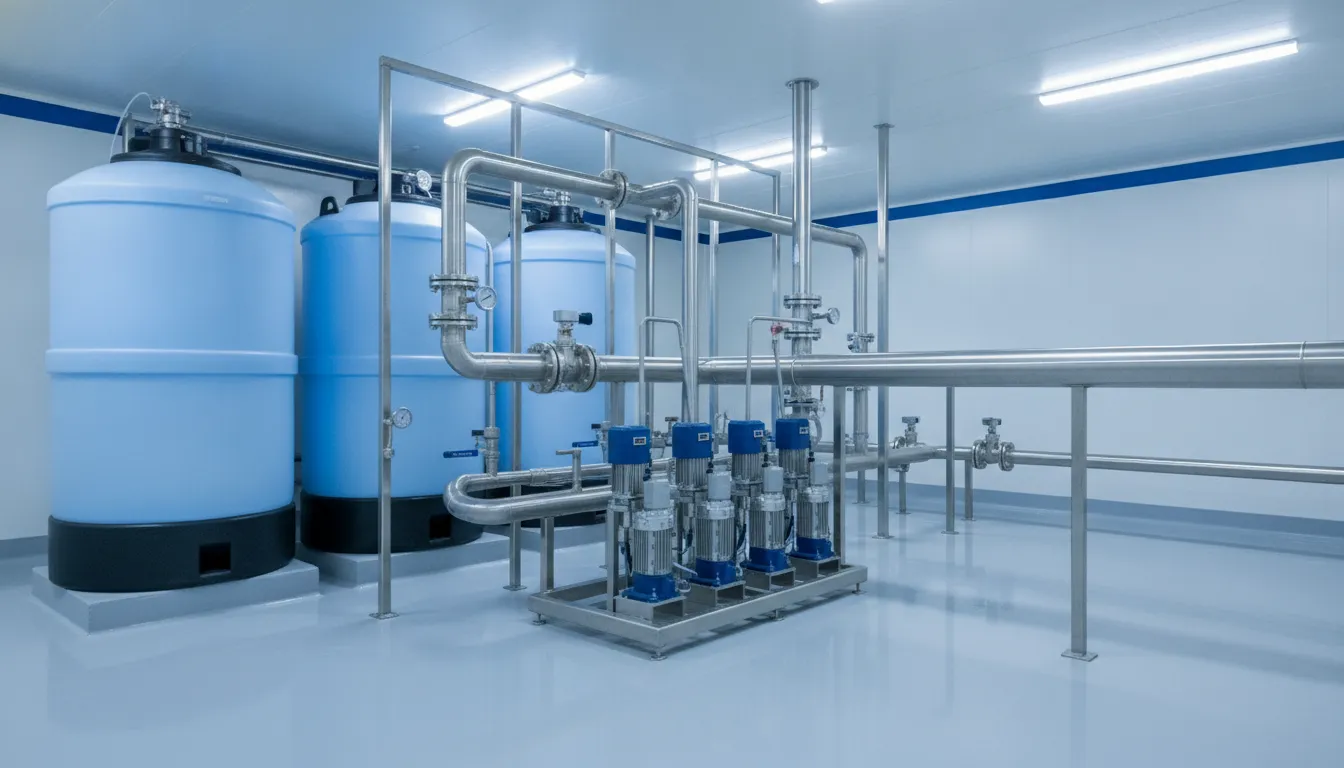
Beyond aeration basins, defoamers are used to prevent carryover in boiler feedwater, reduce water loss in cooling towers, avoid quality issues in pulp production, and ensure even dyeing in textile dye baths. The right product for each application is selected based on process temperature, pH, compatibility with existing chemicals, and any requirement to leave no residue in the final product.
Aqua Global offers formulations tailored to biological foam for activated sludge systems, high-temperature-resistant products for boilers and cooling systems, and process-compatible silicone-free formulations for the textile and paper industries. We conduct site visits and sample testing to select the right product and dosing point.
Defoamer supply — antifoam in Uzbekistan
We provide regular supply in drums, barrels, and IBC tanks to wastewater treatment plants, power plants, and textile and paper factories across Uzbekistan. Foaming root-cause analysis and dosing optimization are included in our supply support.
Frequently Asked Questions
Why does foam keep reappearing in the aeration basin?
Physical foam (from detergents) is usually seen in the first weeks after startup and fades over time. Biological foam, caused by excessive filamentous bacteria growth, is persistent — without addressing the root cause, defoamer only controls it temporarily.
Should I use a silicone-based or silicone-free defoamer?
Silicone-based products are stronger and effective at lower dosages but can cause contamination in membrane filtration and some dyeing processes. Silicone-free (polyether) formulations are preferred for these sensitive processes.
How is defoamer dosage determined?
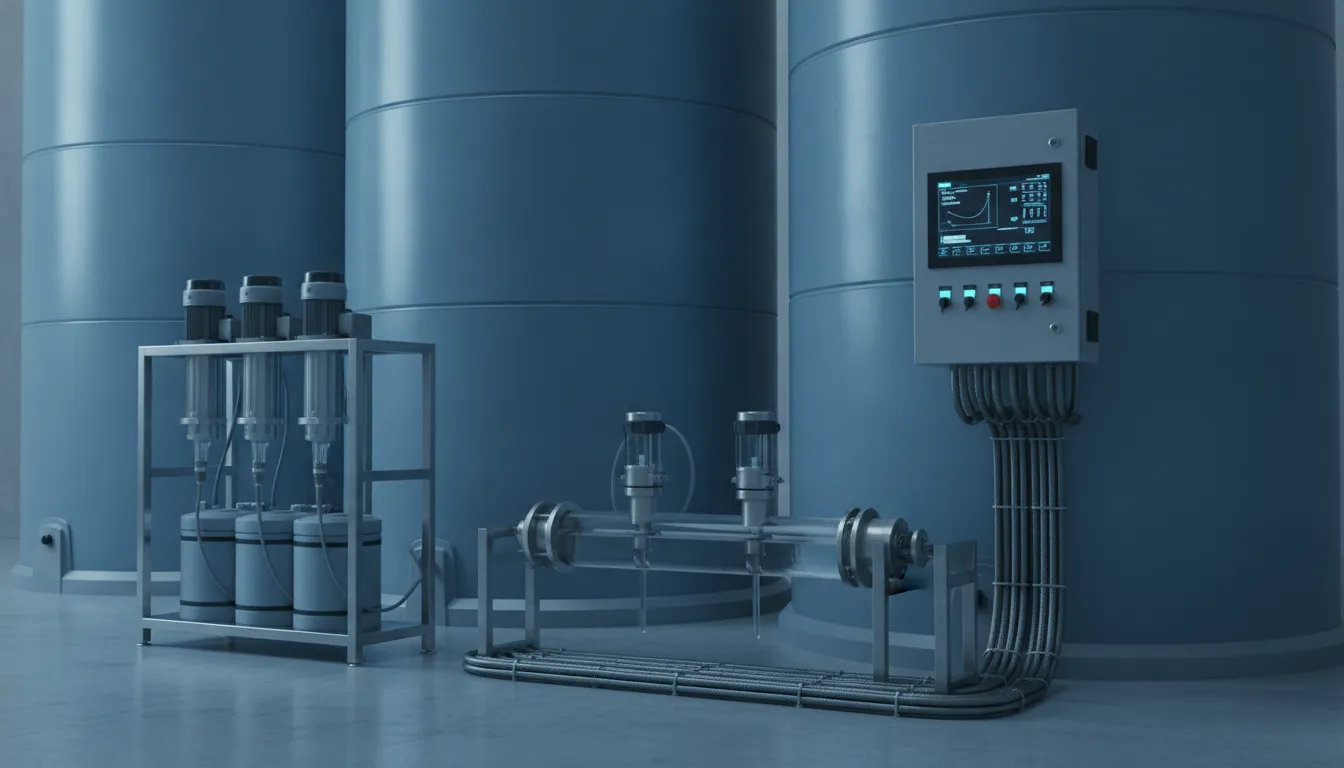
Dosage is determined by field testing based on foaming severity, basin volume, and process flow; a low starting dose is typically increased gradually as needed. Continuous low-dose control via automatic dosing systems is recommended.
Can I request a defoamer sample?
Yes, we send a small-volume sample to identify the formulation best suited to your process; once field testing confirms the best-performing product, you can move to regular supply. For a sample request, share your process type (aeration basin, boiler, textile bath, etc.) and current foaming severity.