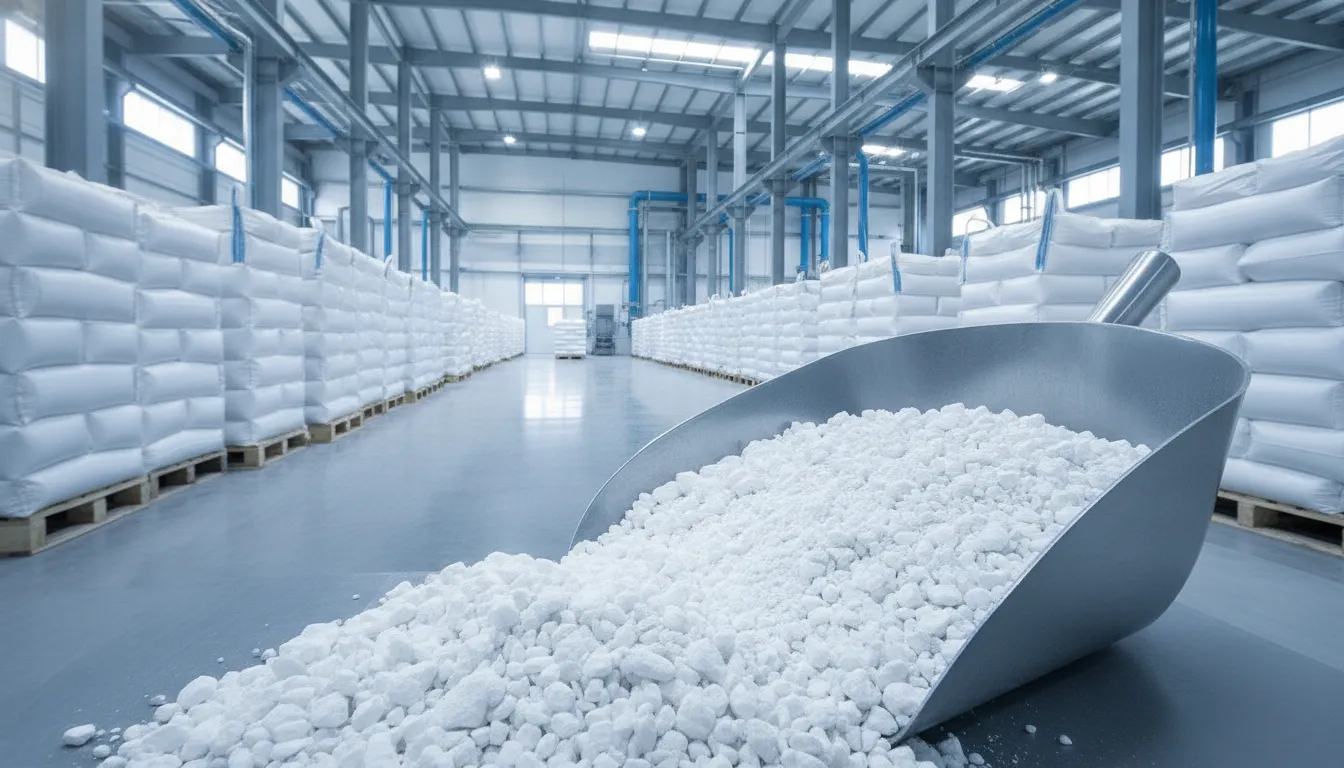
Aluminium sulfate (alum) is one of the most widely used coagulants in water treatment. Within its optimum pH range it forms effective flocs, delivering reliable results in clarification, color removal, and phosphate precipitation. Supplied in granular, lump, and liquid forms, it serves applications from drinking water plants to the paper industry.
Key benefits
Applications
Products / Specifications
Supply formats
- 25-50 kg bags and big bags (solid form).
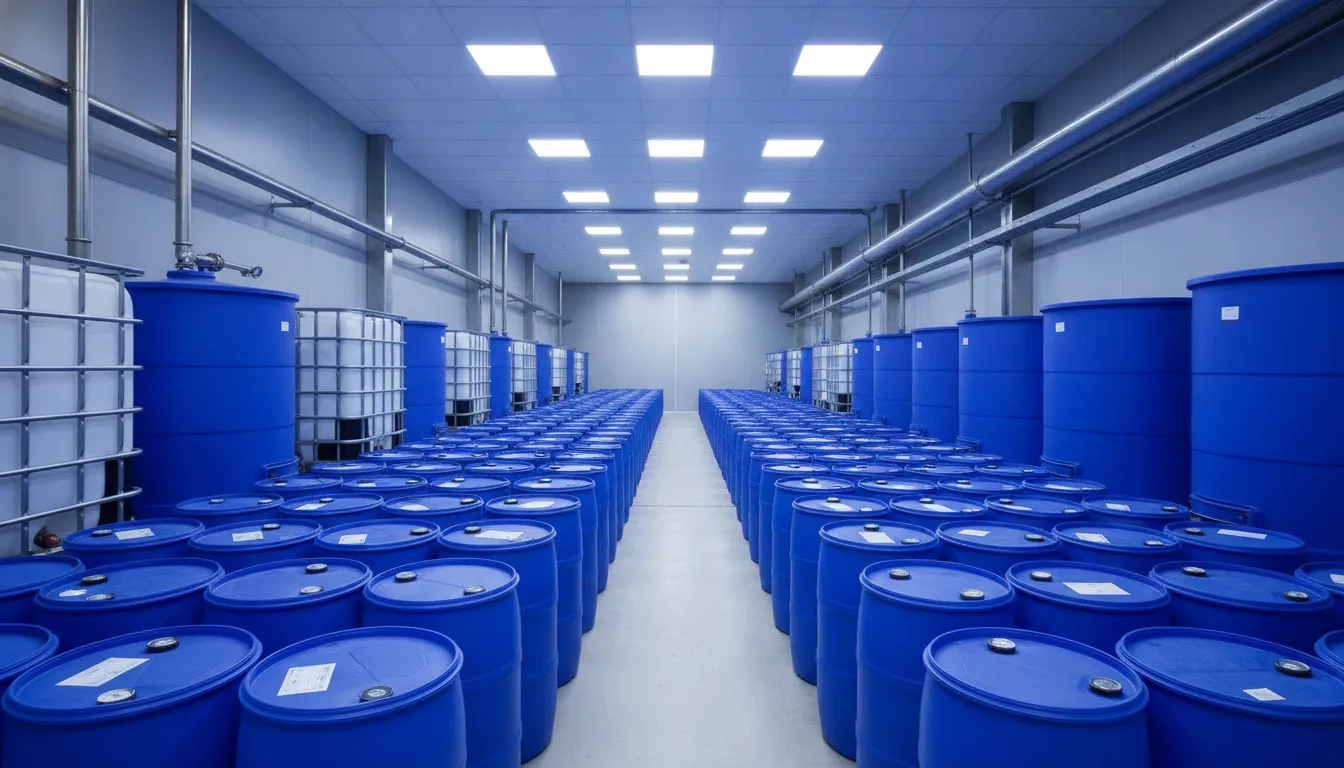
- IBC tanks and tanker delivery for liquid grades.
- Flexible shipment plans for projects and routine use.
What is aluminium sulfate? Its role in water treatment
Aluminium sulfate (Al2(SO4)3, commonly called alum) is the world's most widespread and most proven coagulant, used in water treatment for over a century. Dosed into water it forms aluminium hydroxide flocs that capture turbidity-causing colloids, suspended solids, color-causing organics, and phosphate, then settle. Simple dosing, easy sourcing, and a low unit cost make alum indispensable, especially in medium and large plants.
Aluminium sulfate performs best between pH 5.5 and 7.5; outside this window, soluble aluminium residual can increase, so it should be applied together with pH control. It is produced in granular, lump, and liquid solution forms; special low-iron grades exist for drinking water treatment. Combined with anionic polyacrylamide, floc size and settling speed improve markedly.
Aluminium sulfate applications and practice
Applications include: clarification in drinking water treatment plants (the classic use), coagulation in industrial wastewater treatment, rosin sizing and pH adjustment in the paper industry, pretreatment of textile wastewater, pool water clarification, and raw material use in fertilizer production. It is also an economical option for phosphate precipitation.
Solid aluminium sulfate is dosed as a 5-10% solution; liquid grades can be used directly. Typical doses are 20-80 g/m3 in drinking water and 100-400 g/m3 in wastewater. In low-alkalinity waters, soda ash or lime may be needed to support floc formation. Aqua Global determines the optimum dosage by jar testing and, where useful, provides a cost comparison against PAC.
Aluminium sulfate supply — Aqua Global Uzbekistan
Aqua Global supplies aluminium sulfate in 25-50 kg bags, big bags, and liquid form in IBC/tankers to drinking water plants, industrial companies, and contractors across Uzbekistan. We run contract shipment plans for regular consumption and batch deliveries for projects. Contact us through the contact page for an aluminium sulfate price quote.
Frequently Asked Questions
Are aluminium sulfate and alum the same thing?
Yes — technical aluminium sulfate used in water treatment is commonly known as alum. For drinking water applications, the product is a technical/potable grade manufactured with low iron and restricted heavy-metal content.
In which pH range does aluminium sulfate work?
Optimum coagulation occurs between pH 5.5 and 7.5. Outside this range floc formation weakens and soluble aluminium residual can rise, so pH support (lime, soda ash, or caustic) is recommended in low-alkalinity waters.
Which aluminium sulfate grade is required for drinking water?
Drinking water treatment requires low-iron grades with restricted heavy-metal content. Aqua Global supplies these specifications to potable water plants and provides certificates of analysis on request.
Which is more economical — aluminium sulfate or PAC?
Alum is cheaper per unit, but PAC works at lower doses and produces less sludge, so it often wins on total operating cost. The final decision should come from a side-by-side jar test on the same water.