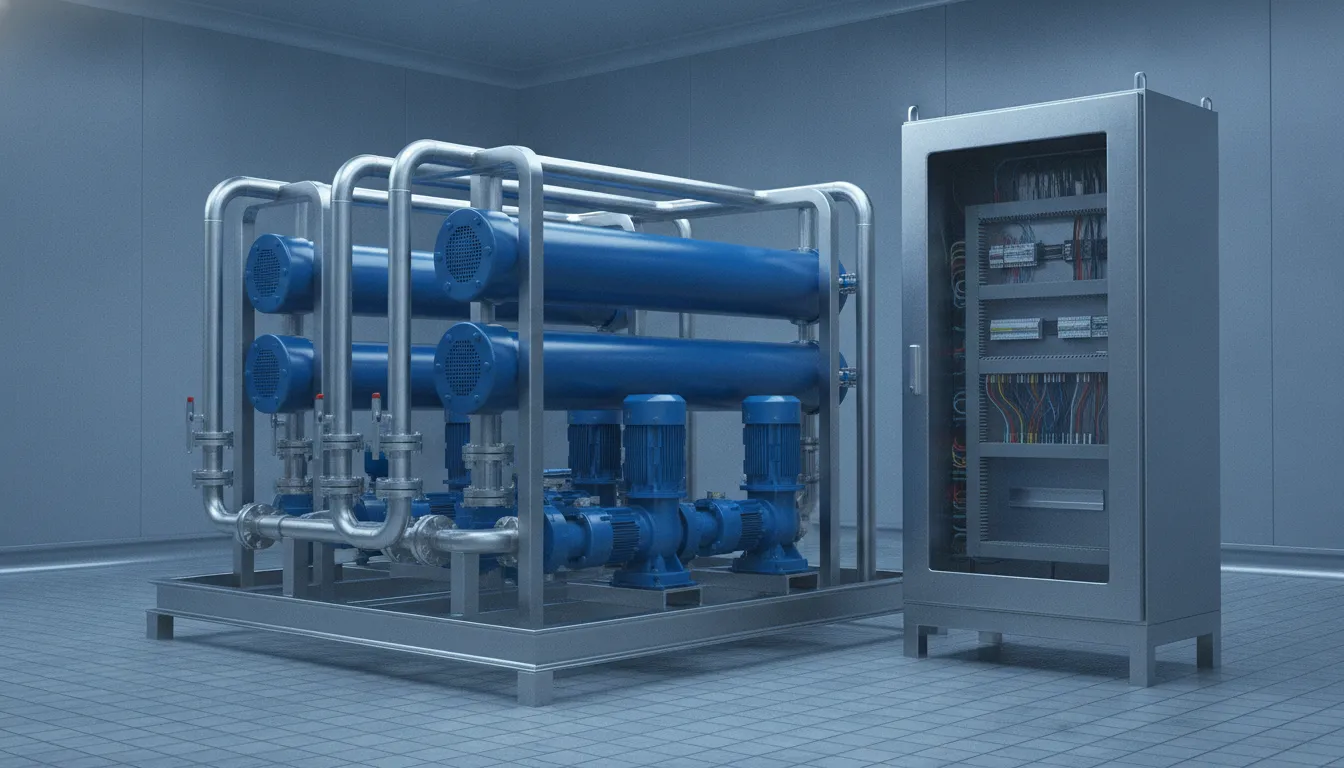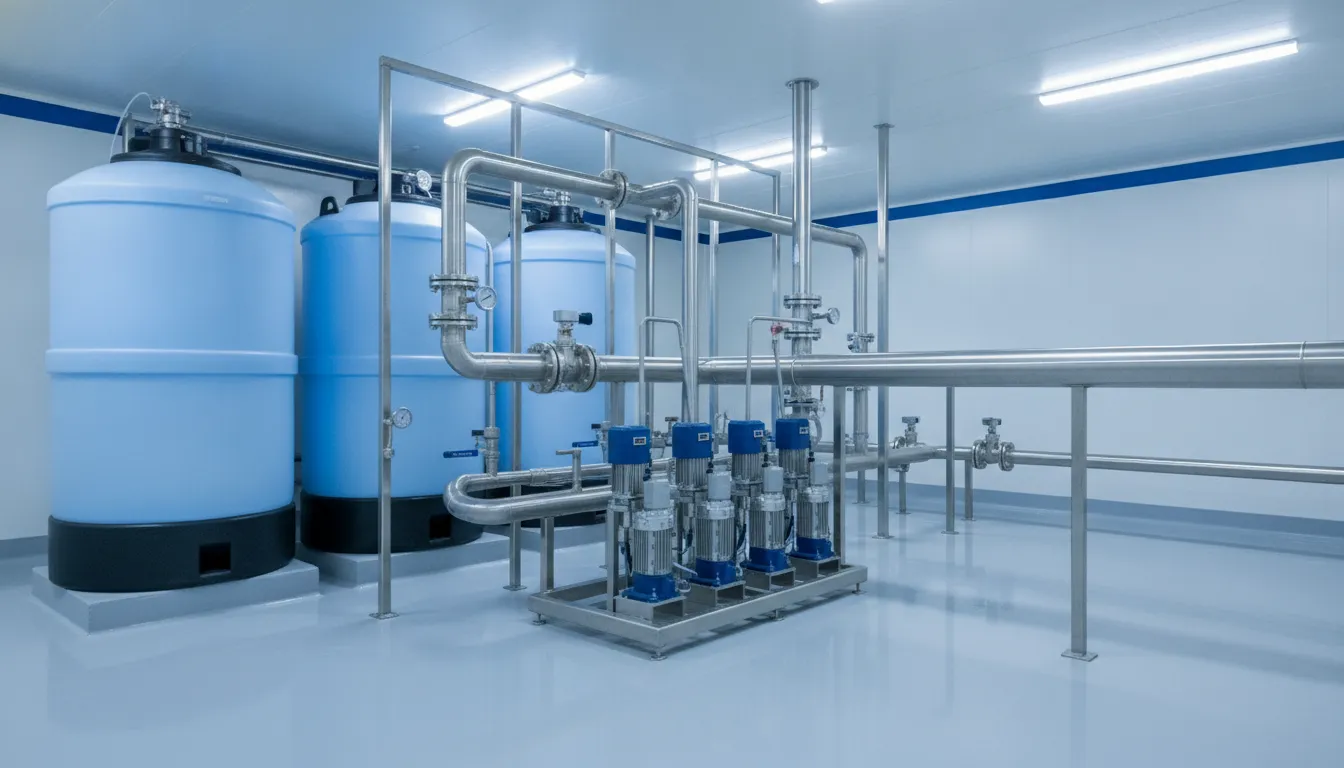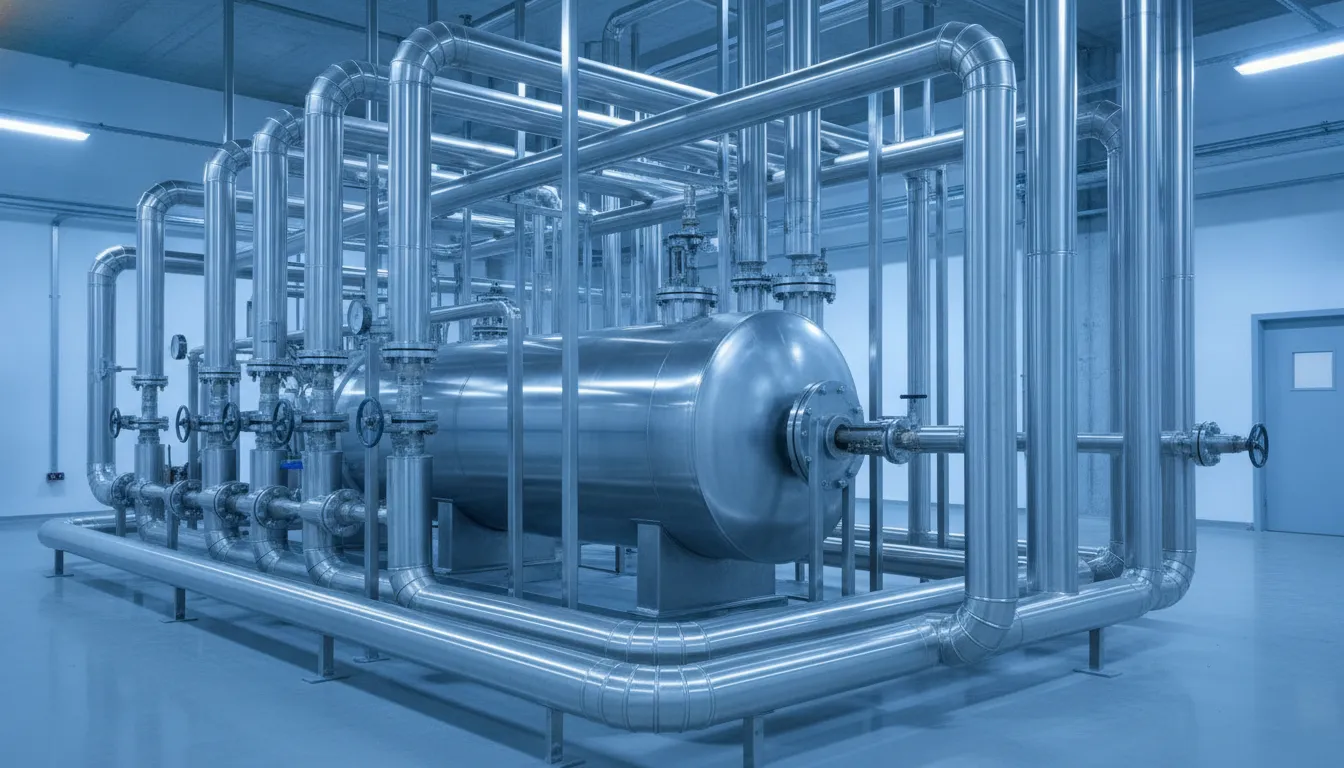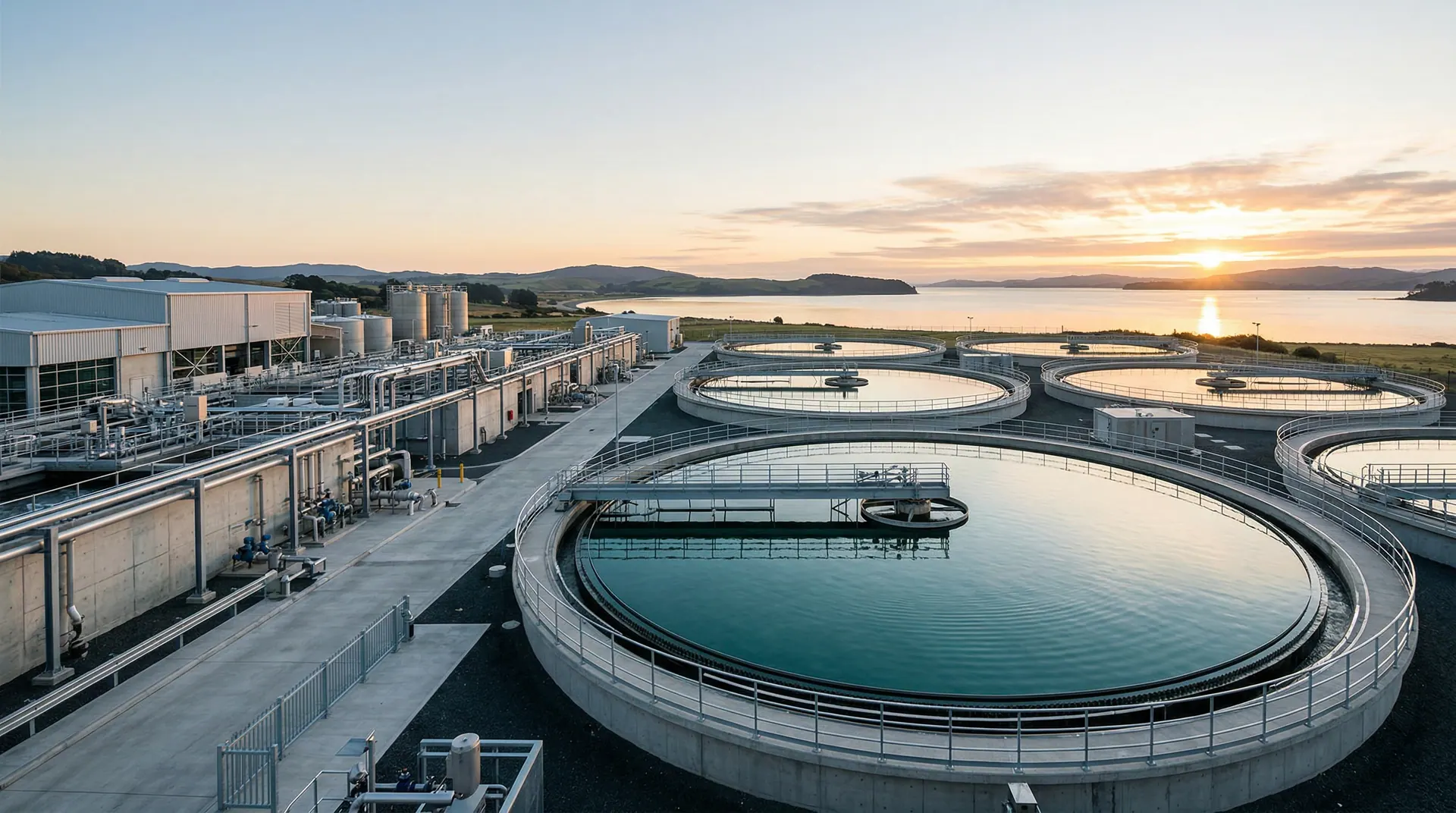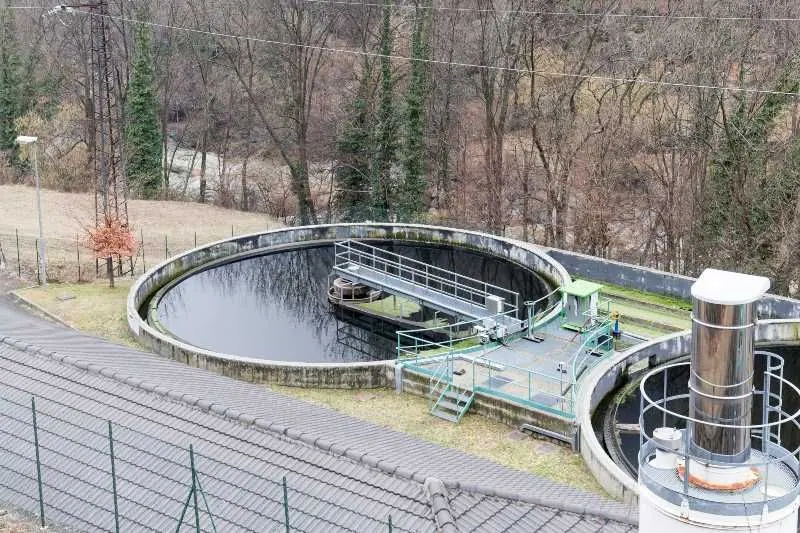
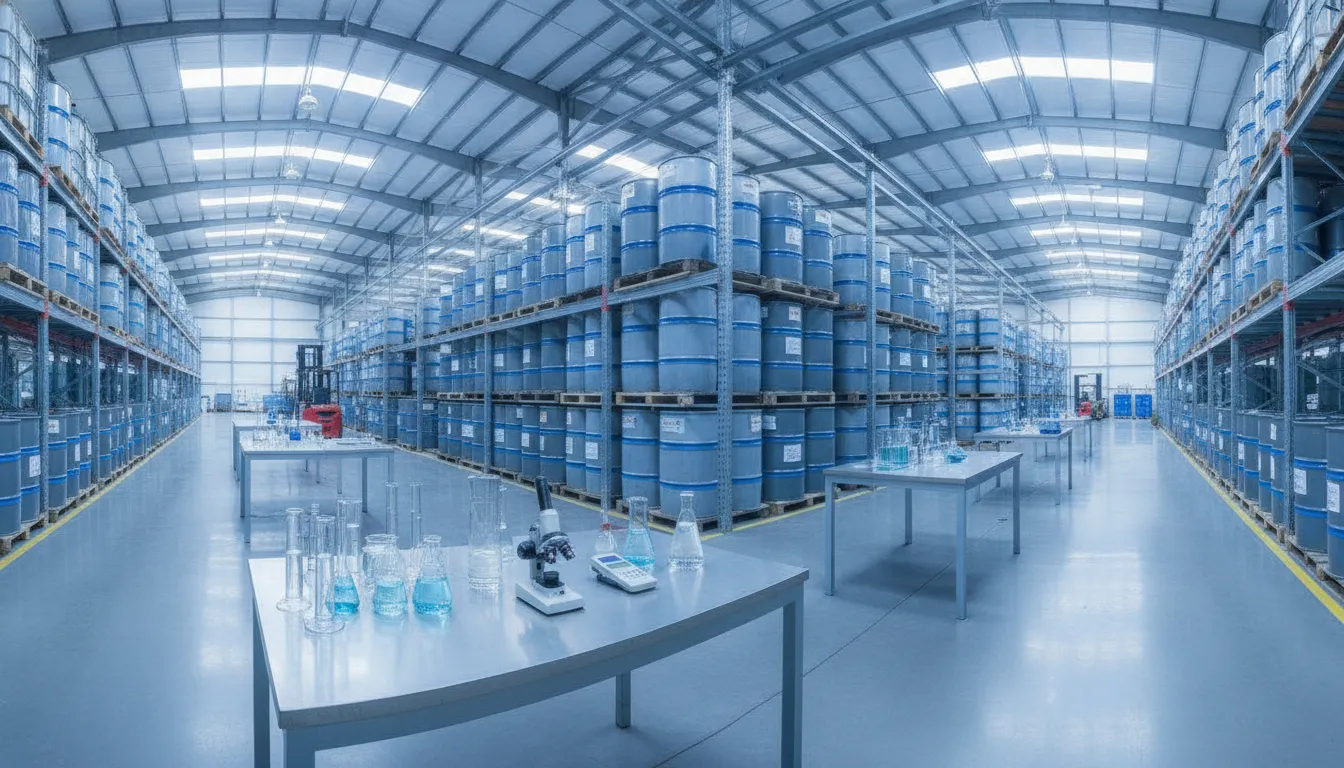
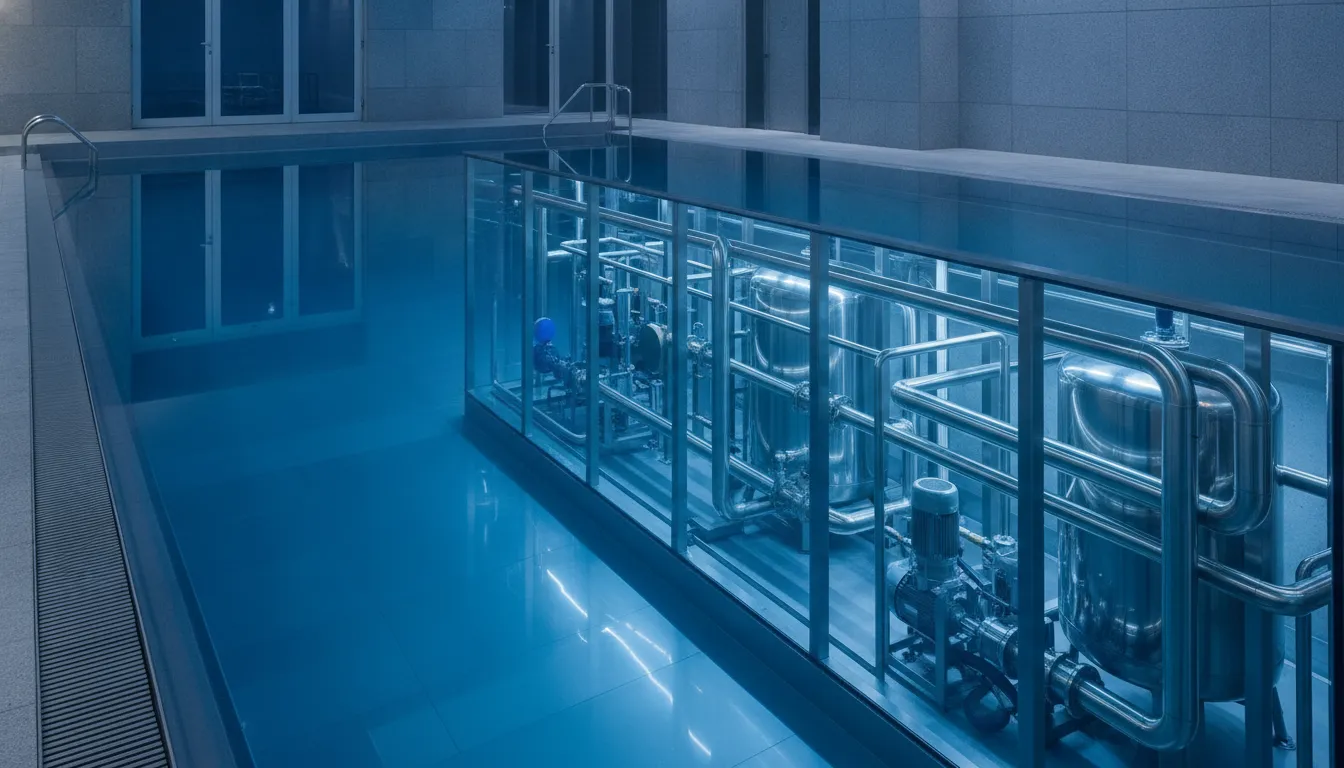
Hotels and spa facilities face high guest expectations for water quality, strict health and safety standards for pool and spa operations, and continuous service demands that allow little tolerance for treatment system downtime. We design systems covering potable water preparation, chlorine-free pool and spa disinfection, water conditioning for guest-facing facilities, and legionella risk management protocols. Solutions are selected for quiet, dependable operation and minimal maintenance burden on facility management teams.
In hospitality, water is visible to the guest
That is what separates this sector from industry. In a plant, water quality is judged by instruments; in a hotel it is judged by a person. Scale on a tap, an odour in the pool, cloudy water in a shower, spots on glassware after washing — all of it is read as service quality rather than as a technical problem.
The second difference is the number of independent circuits on one site. Domestic water, pool and spa, heating and hot water, laundry, kitchen. Each has its own requirements, and the only thing they share is the source at the inlet.
The circuits and what each needs
Domestic water
Safety and organoleptics matter here — taste, odour, clarity. A guest judges water with their senses, so even safe water with an off taste is perceived as a problem. Typically this needs mechanical filtration, iron removal where required, and disinfection.
Hot water and heating
The classic hardness problem: scale in heat exchangers and calorifiers reduces heat transfer and raises energy consumption. A separate question is dead legs in extended pipework, where water stands during low occupancy.
Pool and spa
The most demanding circuit. Water recirculates, contacts people and receives constant organic load. The task is to hold clarity, microbiological safety and comfort at once: pH outside its range causes skin and eye irritation regardless of what the other readings say.
Laundry and kitchen
Hardness increases detergent consumption, leaves residue on glassware and reduces wash quality. Softening here pays back through detergent spend and equipment life.
What makes a hotel specifically difficult
- Uneven occupancy. The gap between season and off-season is large. A system sized for the peak stagnates in the low season; one sized on the average fails at the peak.
- Stagnation in pipework. Closed wings and unused rooms mean sections where water stands. Those are the conditions for biological growth in a system that is formally sound.
- Continuity requirement. Maintenance cannot be scheduled at a convenient time: a hotel runs around the clock, and taking a circuit down is visible to guests.
- Visibility of the result. In industry a water problem is spotted on an instrument; in a hotel it is spotted in a complaint. The feedback arrives late and in an unpleasant form.
How the solution is usually built
The scheme starts with common inlet preparation — mechanical filtration and, where needed, iron removal. After that the circuits diverge: softening for hot water, laundry and kitchen; a separate programme for the pool; disinfection where required. More in water treatment.
Treating all water to pool requirements is expensive and pointless; treating all of it to the minimum means scale in the calorifiers and complaints from the laundry. Separating the circuits here is not added complexity but a way to save money.
Which reagents work here
Disinfection uses sodium hypochlorite and other reagents from the disinfectant group; where water composition must not change, ultraviolet is used. pH correction uses pH regulators: in a pool this is a key parameter not only for disinfection efficiency but for comfort. Protecting heat-exchange equipment from scale uses antiscalants, metal protection uses anti-corrosion reagents. Pool water clarification uses coagulants. The full range is in products.
What is most often missed
- All circuits treated identically. Either overspend, or problems where the requirement is higher.
- The low season not accounted for. Stagnation in pipework at low occupancy creates problems that do not exist at the peak.
- Pool pH treated as secondary. Outside its working range, disinfection efficiency falls and guest discomfort rises — simultaneously.
- Hardness treated as cosmetic. It also increases detergent consumption and shortens calorifier life.
- Responding to complaints rather than readings. By the time a complaint arrives, the guest has already seen the problem.
Frequently asked questions
Is softening needed if the water meets the standard?
Meeting a standard and not producing scale are different things. Water can be safe and still deposit in calorifiers and leave residue on fittings. The decision follows the water composition, not the compliance status.
How do we handle stagnation in the low season?
With a flushing routine for unoccupied sections and monitoring at the points furthest from supply. That is cheaper than dealing with the problem after the season opens.
Why does the pool smell of chlorine if dosing is correct?
The characteristic odour usually comes not from excess disinfectant but from the products of its reaction with organic load. The direction of the fix is reducing organic load and controlling pH, not reducing the dose.
Can the system be serviced without shutting down?
For most reagent-side work, yes. The schedule is agreed around occupancy so the intervention does not coincide with a peak.
Getting started
Send an inlet water analysis and a list of circuits with what each serves. Separating the circuits is the first thing that determines both the scheme and the budget on this kind of site. Write through the contact form.